Why Does Choosing the Right Umrah Travel Partner Matter?
October 14, 2025 No Comments
Performing Umrah is a deeply spiritual journey that brings countless Muslims closer to their faith.…

Home / Umrah Visa vs. Tourist e-Visa: What’s the Difference?
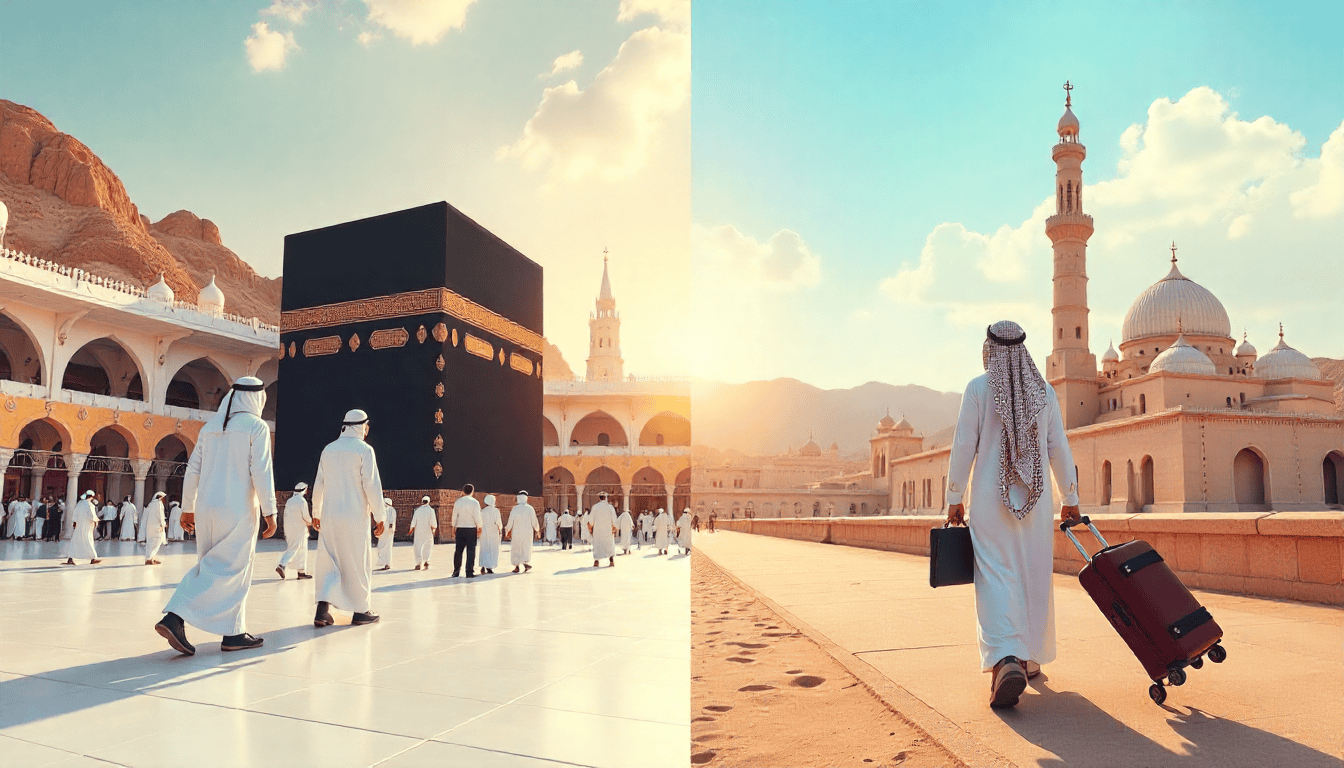
Every year, millions of Muslims travel to Saudi Arabia with the intention of performing Umrah, a deeply spiritual journey that brings them closer to their faith. While the Hajj pilgrimage has specific dates, Umrah can be performed throughout the year, which makes it more flexible and accessible for many believers. However, one of the first things every pilgrim must consider is the visa required to enter the Kingdom of Saudi Arabia.
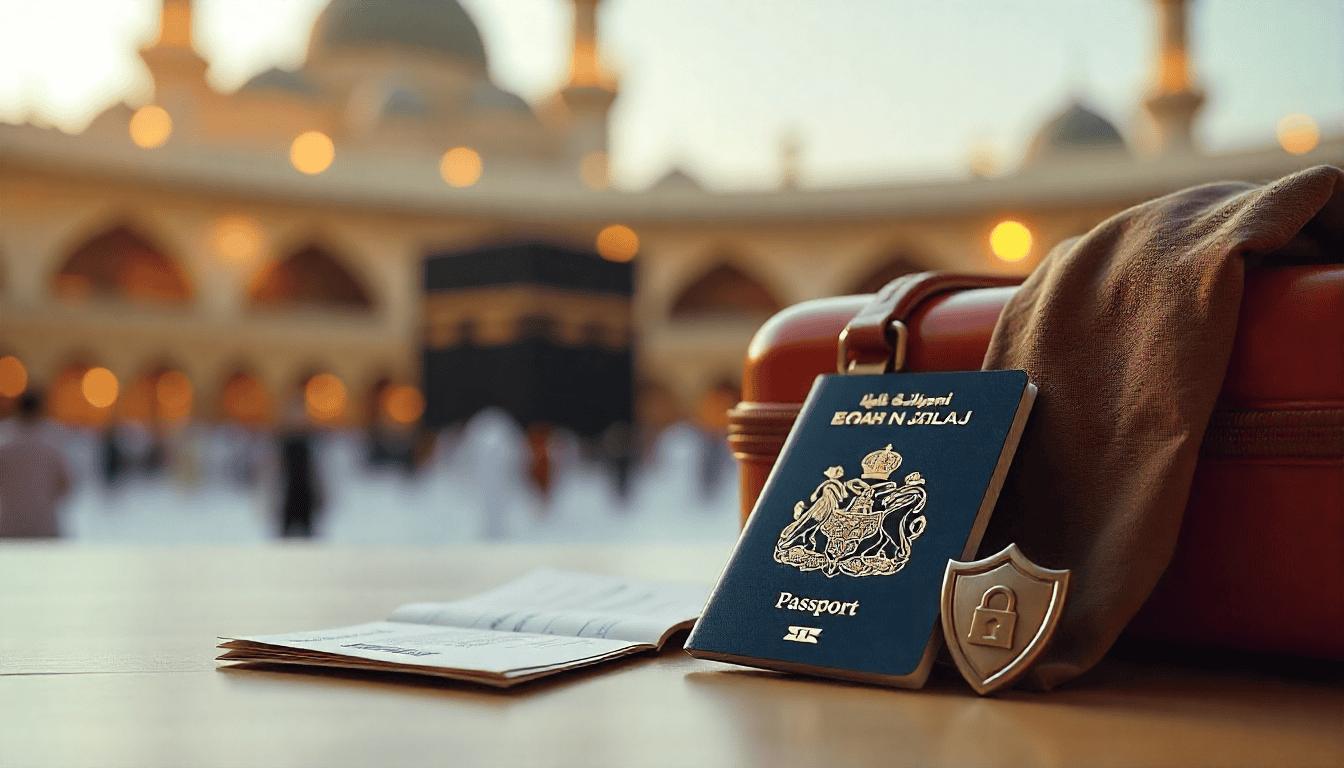
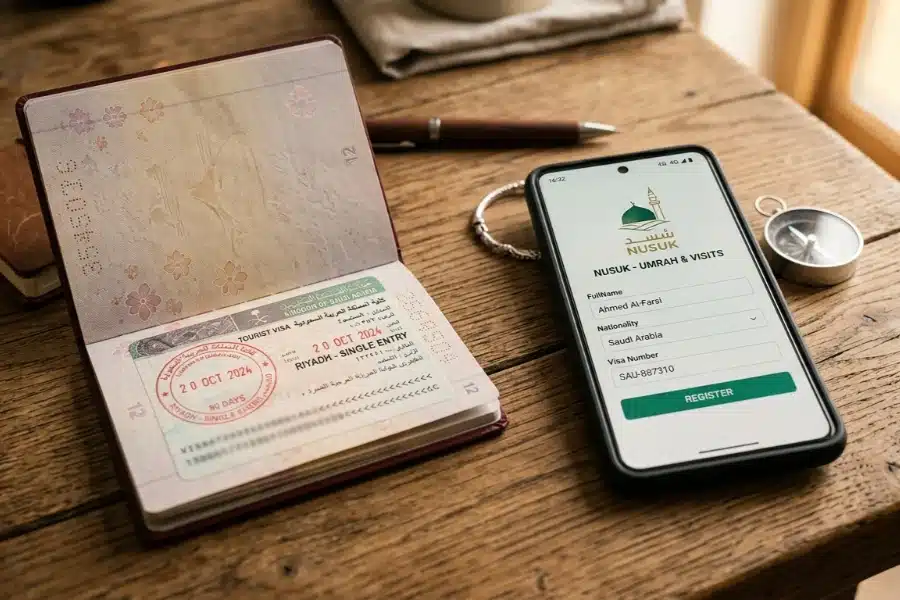
In recent years, Saudi Arabia has introduced new visa options to facilitate tourism and religious journeys. Among these are the traditional Umrah visa and the newer tourist e-visa, both of which are closely linked to different types of Umrah Packages. For many travelers, understanding the differences between these two options is essential to planning a smooth and meaningful trip.

An Umrah visa is a special entry permit granted by the Saudi government to Muslims who intend to perform Umrah. It is specifically designed for religious purposes and is issued through approved travel agents or Umrah operators. This visa allows pilgrims to enter the holy cities of Makkah and Madinah, perform the required rituals, and spend a set period of time in Saudi Arabia dedicated to worship and devotion.
The Umrah visa has traditionally been the main route for pilgrims outside Saudi Arabia. It is valid for a short duration, typically up to thirty days, and requires pilgrims to travel within a specific package arranged by licensed Umrah agents. This ensures that accommodation, transport, and other logistics are managed properly to support the spiritual focus of the journey.
The tourist e-visa is a relatively new initiative introduced by the Saudi government to open the country to international visitors. Unlike the Umrah visa, this visa is not solely designed for religious purposes but for general tourism. It is available to citizens of many countries through a simple online application process, making it far more accessible and flexible compared to the traditional Umrah visa.
With a tourist e-visa, visitors can explore Saudi Arabia’s historical, cultural, and natural attractions in addition to performing Umrah. This means that a Muslim traveler holding a tourist e-visa can still perform Umrah, provided they are respectful of the sacred rules and regulations in Makkah and Madinah. The validity of the tourist e-visa is longer, often up to one year with multiple entries allowed, which makes it an attractive option for frequent travelers.
Choosing between an Umrah visa and a tourist e-visa is not just a matter of preference. It has important implications for how a pilgrim experiences their journey. Each visa type comes with unique conditions, costs, and limitations. For example, an Umrah visa is highly focused on ensuring that a pilgrim’s stay is centered on worship, while a tourist e-visa allows more freedom of movement and activities outside the pilgrimage.
By understanding the key differences, pilgrims can make informed choices that align with their spiritual goals, personal preferences, and budget. The right visa will ensure a smoother journey and prevent complications that could arise from not knowing the rules and restrictions.

An Umrah visa offers several advantages to pilgrims. Since it is issued specifically for religious purposes, it ensures that the entire trip is designed to facilitate worship and rituals. Most Umrah visas are arranged through licensed travel operators, which means pilgrims benefit from organized accommodation, guided transport, and spiritual support during their stay.
This type of visa also ensures that pilgrims are in the company of others who share the same religious intention. The group arrangements create a sense of community and support, which is especially comforting for first-time travelers or elderly pilgrims. With everything structured around religious worship, the focus remains entirely on the spiritual experience.
The tourist e-visa offers a different set of advantages. Flexibility is its biggest strength. Travelers can enter Saudi Arabia multiple times within its validity period, giving them more control over when and how they wish to perform Umrah. This is especially helpful for those who wish to return for another pilgrimage within the same year without going through the entire application process again.
Additionally, the tourist e-visa allows visitors to see more of Saudi Arabia beyond the holy cities. This is appealing for Muslims who wish to combine their Umrah with exploring historical sites, cultural landmarks, or even modern attractions. Families traveling together may find this option more versatile as it balances spirituality with leisure and cultural exploration.
The length of stay permitted under each visa is one of the most important differences. The Umrah visa usually grants a shorter period, often up to thirty days, specifically tied to the religious journey. Once the period ends, the pilgrim must leave the Kingdom. Many Umrah Travel Agents highlight this time limit to ensure pilgrims understand that the visa serves its purpose of focusing on Umrah without extending into unrelated activities.
On the other hand, the tourist e-visa allows a much longer stay. Depending on the type, visitors can stay up to ninety days at a time and enter multiple times within a year. This extended flexibility makes it attractive to travelers who want to spend more time with family in Saudi Arabia or explore other cities while still performing Umrah during their trip.

Cost is another key factor that pilgrims consider when choosing between an Umrah visa and a tourist e-visa. Traditionally, Umrah visas have been issued as part of a complete travel package, which includes flights, hotels, and transport. While this provides convenience, it may also be more expensive depending on the travel season and the level of accommodation chosen.
The tourist e-visa, however, tends to be less costly as it only covers entry into the country. Travelers are free to arrange their own flights, hotels, and services, which can sometimes result in more affordable trips. However, this also means they need to manage their own logistics, something that might be challenging for first-time pilgrims.
Applying for an Umrah visa often requires working with an approved travel agent, which can make the process longer and less flexible. Pilgrims must provide documents such as a passport, recent photographs, and proof of vaccination before the visa is issued. While the process ensures proper guidance, it may take more time to complete.
In contrast, the tourist e-visa process is straightforward and entirely online. Applicants fill out a digital form, upload necessary documents, and often receive approval within a few days. This convenience appeals to younger travelers who are comfortable with technology and prefer handling their own bookings.
The Umrah visa has strict conditions. It is only valid for Muslims intending to perform Umrah and limits entry to the holy cities of Makkah and Madinah. Travel outside these cities is usually not permitted. This ensures that the focus remains solely on the religious purpose of the journey.
The tourist e-visa, by contrast, has much fewer restrictions. Holders can travel across Saudi Arabia, visit cultural sites, and even participate in leisure activities. While Muslims are still allowed to perform Umrah, they must observe the same religious requirements as those holding Umrah visas.

For many believers, the choice of visa is more than just a logistical decision. It reflects how they intend to approach their journey. The Umrah visa signifies complete dedication to worship, creating an environment where the only priority is fulfilling the rites of Umrah.
Meanwhile, the tourist e-visa reflects a balance between spirituality and exploration. Some pilgrims may feel this option allows them to deepen their understanding of Saudi Arabia’s Islamic heritage while still dedicating time to worship. Both choices can be meaningful depending on personal goals.
Many pilgrims rely on guidance from Umrah travel agents to help them navigate these options. Experienced agents explain the visa process, highlight the pros and cons, and ensure that all requirements are met. Their support can prevent unnecessary stress and help pilgrims focus on preparing spiritually rather than worrying about paperwork.
For those who prefer independence, the tourist e-visa offers self-management. Travelers who are confident in arranging their own flights, hotels, and transport may find this option more empowering. It gives them the freedom to customize their trip exactly as they wish.
The Saudi government places great importance on the safety and security of pilgrims. The Umrah visa system ensures that pilgrims are accounted for within licensed packages, which includes secure accommodation and regulated transport. This structure is particularly beneficial for elderly pilgrims or those traveling in large family groups.
The tourist e-visa does not include the same structured arrangements, but it gives travelers the freedom to choose their own accommodations and activities. This can still be safe and secure as long as travelers make bookings through trusted providers and follow local laws and guidelines.

Families often have unique considerations when traveling for Umrah. The Umrah visa provides the comfort of group arrangements, where accommodation and transport are coordinated for everyone. This makes it easier for large families or groups of friends to stay together throughout the journey.
The tourist e-visa, however, allows families to explore more freely. After performing Umrah, families can extend their trip by visiting cultural attractions, shopping areas, or scenic destinations. This balance of worship and family bonding can make the experience more memorable.
For Muslims who travel frequently, the tourist e-visa has clear advantages. Since it is valid for multiple entries within a year, travelers can perform Umrah more than once without reapplying. This flexibility is also beneficial for those planning Ramadan Umrah Packages, as it allows them to return during the holy month without going through the visa process again.
The Umrah visa, being single-purpose, requires a fresh application each time. While this may be suitable for those who only plan to go once, frequent travelers often find the tourist e-visa more practical and cost-effective.
The timing of travel can affect both visa options. During Ramadan, the demand for Umrah visas increases significantly, and prices for packages may rise. Many pilgrims choose this time for the added spiritual reward, but it can also mean more crowded conditions.
With the tourist e-visa, travelers have more flexibility in choosing off-peak times to perform Umrah. This allows them to avoid large crowds and enjoy a more peaceful experience, while still being able to return later during the holy month if they wish.

The introduction of the tourist e-visa is also part of Saudi Arabia’s Vision 2030 plan, which aims to diversify the economy and promote tourism. By offering this option, the Kingdom encourages visitors to explore beyond the pilgrimage sites and discover the cultural richness of the country.
The Umrah visa, however, remains an essential pathway for millions of Muslims who seek a purely religious journey. Both visas serve different purposes but ultimately support the broader vision of welcoming more visitors while preserving the sanctity of holy rituals.
The choice between an Umrah visa and a tourist e-visa depends on personal priorities, spiritual goals, and travel preferences. Both visas provide access to the holy sites of Makkah and Madinah, but the experiences they offer differ significantly.
If the goal is complete devotion to worship, the Umrah visa is the most suitable. For those seeking a balance of spirituality and exploration, the tourist e-visa opens the door to a wider experience. Whichever option is chosen, the journey remains deeply meaningful as it brings the pilgrim closer to faith and strengthens their connection with the sacred land.
Our curated content will ensure you’re well–prepared and inspired every step of the way.