Nusuk Smart ID | Saudi Vision Revolutionizing Umrah
December 26, 2025 No Comments
In recent years, Saudi Arabia has taken significant steps toward modernizing the pilgrimage experience for…
Home / When Is Shab e Barat 2027 UK? Date, Significance, Duas and Islamic Guide
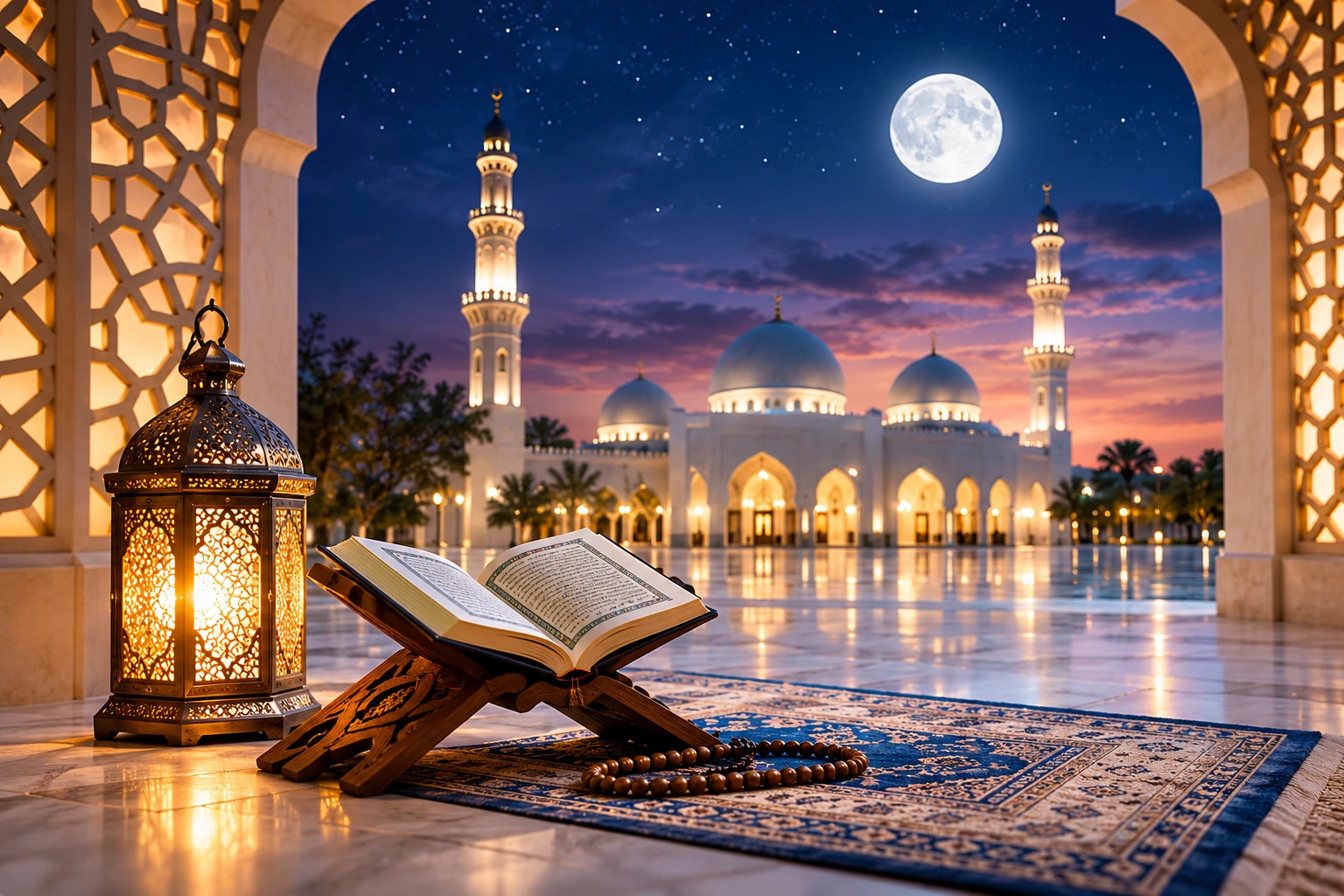
Shab e Barat 2027 in the UK is expected to be observed on Friday evening, 22 January, or Saturday evening, 23 January 2027, depending on the Islamic calendar and moon-sighting method followed by your local mosque. The occasion marks the night of 15 Sha’ban 1448 AH, also known as the Night of Forgiveness.
Many Muslims across the UK spend this night seeking Allah’s mercy, offering voluntary prayers, reciting the Quran and making dua. It also arrives approximately two weeks before Ramadan, making it a meaningful time for spiritual preparation.
This guide explains the expected Shab e Barat 2027 UK date, Islamic calendar, Hadith references, significance, recommended worship, fasting, duas and important questions about the occasion.

Shab e Barat 2027 is expected to fall on the night of 22 or 23 January in the UK, subject to the beginning of Sha’ban 1448 AH.
Some calculated Islamic calendars identify Saturday, 23 January, as the daytime of 15 Sha’ban. Under that calculation, Shab e Barat begins at Maghrib on Friday, 22 January.
Other calendars and moon-sighting predictions place the observance one evening later, beginning on Saturday, 23 January.
| Islamic event | Expected UK date |
|---|---|
| Islamic year | 1448 AH |
| Islamic month | Sha’ban |
| Islamic date | 15 Sha’ban |
| Earlier expected night | Friday, 22 January 2027 |
| Alternative expected night | Saturday, 23 January 2027 |
| Beginning of observance | Maghrib (sunset) |
| End of the night | Fajr (dawn) |
| Date confirmation | Local moon-sighting announcement |
Important: These are predicted dates, not final moon-sighting confirmations. Muslims should check their local mosque’s announcement at the beginning of Sha’ban.
Shab e Barat is the night associated with the 15th of Sha’ban, the eighth month of the Islamic calendar.
The name is commonly understood as the Night of Forgiveness, Night of Salvation or Night of Freedom from Punishment.
It is also known by several other names:
Many Muslims regard this night as an opportunity to reflect on their actions, repent sincerely and strengthen their relationship with Allah.
It is especially recognised among Muslim communities with South Asian traditions, including many families living in London, Birmingham, Manchester, Bradford, Leicester and other UK cities.
However, scholars differ over whether the night has a distinct religious status supported by sufficiently authentic Hadith. These differences should be understood respectfully.
The Shab e Barat date changes because the Islamic calendar follows lunar months rather than the Gregorian solar calendar.
An Islamic month normally lasts 29 or 30 days. As a result, Islamic occasions move approximately 10 to 11 days earlier each Gregorian year.
The exact date can also vary between countries and communities because of differences in moon sighting.
In the Islamic calendar, the new day begins at sunset.
For example, if 15 Sha’ban falls on Saturday, 23 January, its night begins after Maghrib on Friday, 22 January.
This is why the date of Shab e Barat night may appear one day earlier than the daytime date shown on an Islamic calendar.
The following table gives indicative dates based on a commonly used calculated calendar. Local moon-sighting dates may differ.
| Year | Islamic date | Expected night begins |
|---|---|---|
| 2026 | 15 Sha’ban 1447 | Monday, 2 February |
| 2027 | 15 Sha’ban 1448 | Friday, 22 January |
| 2028 | 15 Sha’ban 1449 | Tuesday, 11 January |
| 2028 | 15 Sha’ban 1450 | Saturday, 30 December |
| 2029 | 15 Sha’ban 1451 | Thursday, 20 December |
| 2030 | 15 Sha’ban 1452 | Monday, 9 December |
There are two occurrences during Gregorian year 2028 because the Islamic lunar year is shorter than the solar year.
The significance of Shab e Barat is commonly associated with Allah’s forgiveness, mercy and the importance of removing hatred from the heart.
Several Hadith narrations discuss the middle night of Sha’ban. Scholars differ in their assessment of these narrations and whether their combined chains establish a special virtue for the night.
One narration states that Allah looks upon His creation during the middle night of Sha’ban and grants forgiveness, except to those who associate partners with Him and those who harbour hostility.
This narration is recorded in Sunan Ibn Majah 1390.
The individual narration is graded Da’if (weak) by Darussalam. Some scholars nevertheless consider the broader meaning supported by other chains, while others do not regard the evidence as sufficient to establish a special observance.
The message encourages Muslims to reflect on two important matters: sincere belief in Allah and maintaining peaceful relationships with others.
Seeking forgiveness, avoiding resentment and correcting one’s behaviour are important Islamic responsibilities throughout the year.
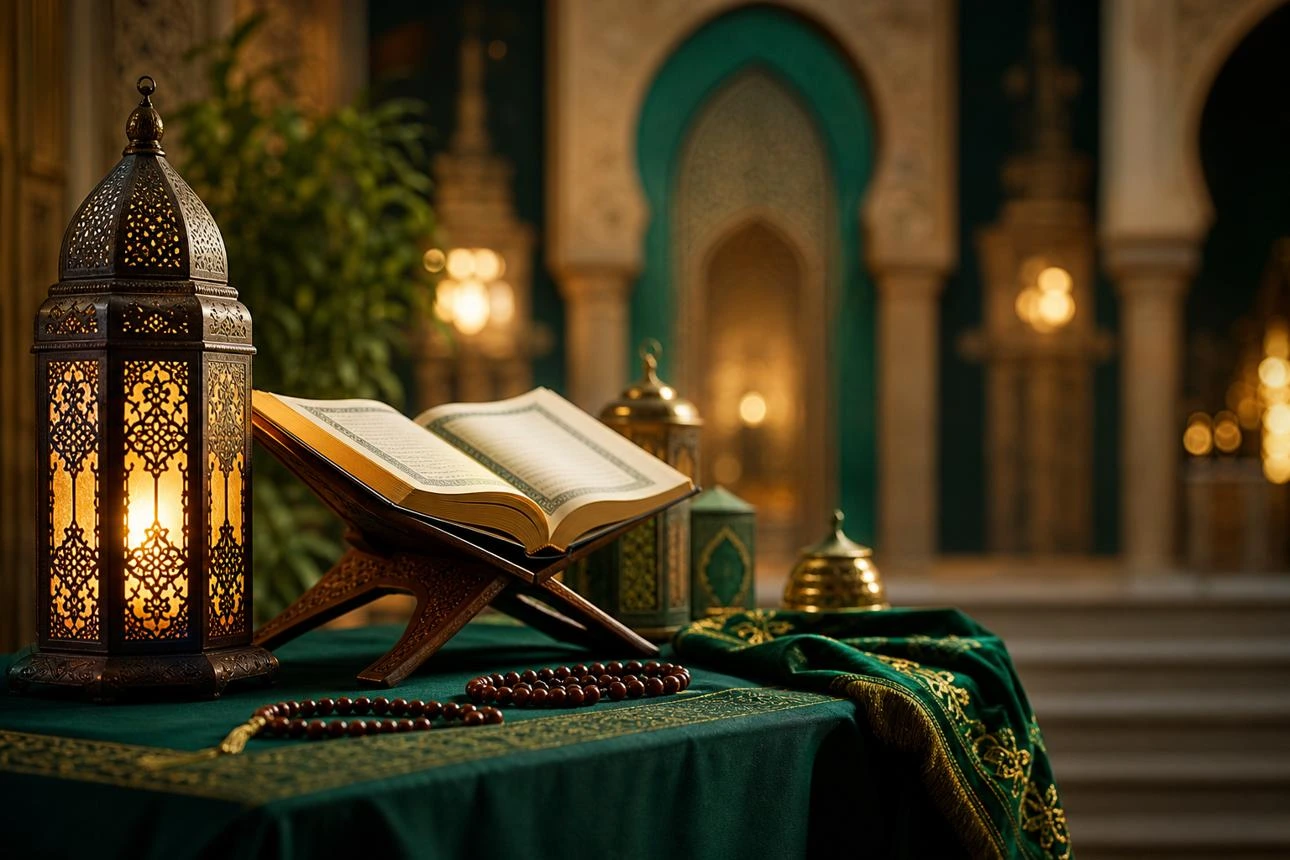
The Quran does not explicitly mention Shab e Barat or identify the 15th of Sha’ban as a particular night of worship. However, several Quranic verses provide guidance on repentance, forgiveness and the importance of turning towards Allah.
Allah says in Surah Ad-Dukhan, 44:3:
“Indeed, We sent it down during a blessed night.”
Some interpretations historically connected this blessed night with the middle of Sha’ban.
However, the widely accepted interpretation among Quranic commentators identifies it as Laylat al-Qadr in Ramadan.
This understanding is supported by two other Quranic passages:
Surah Al-Qadr, 97:1 states that the Quran was revealed on the Night of Decree.
Surah Al-Baqarah, 2:185 identifies Ramadan as the month in which the Quran was revealed.
Therefore, Surah Ad-Dukhan should not be presented as definitive Quranic proof that the blessed night is Shab e Barat.
Allah says in Surah Az-Zumar, 39:53:
“Do not despair of the mercy of Allah.”
This verse reminds believers that sincere repentance and hope in Allah’s mercy remain essential parts of faith.
Similarly, Surah Al-Baqarah, 2:222 teaches that Allah loves those who repent and purify themselves.
These verses provide a strong Quranic foundation for seeking forgiveness, whether during Sha’ban, Ramadan or any other time.
Authentic Hadith establish that the Prophet Muhammad ﷺ frequently fasted during Sha’ban, making the month an important period of voluntary worship before Ramadan.
Aisha (RA) reported that she never saw the Prophet ﷺ fast more in any month, apart from Ramadan, than he did during Sha’ban.
Reference: Sahih al-Bukhari 1969.
Another narration explains that the Prophet ﷺ encouraged consistent worship, even when the amount of worship was small.
Reference: Sahih al-Bukhari 1970.
These authentic reports establish the virtue of voluntary fasting during Sha’ban generally.
However, they do not independently establish a special prayer, celebration or fixed worship programme for the night of 15 Sha’ban.
A narration in Sunan Ibn Majah 1388 specifically encourages prayer during the middle night of Sha’ban and fasting the following day.
However, this narration is graded Mawdu’ (fabricated) in the Darussalam grading.
Therefore, it should not be presented as an authentic instruction from the Prophet ﷺ.
Muslims can still perform voluntary prayers and fast on generally recommended days, without attributing an unverified religious obligation to this narration.
Muslims can spend Shab e Barat in sincere repentance, voluntary prayer, Quran recitation, dua and reflection. These are established forms of worship that are beneficial throughout the Islamic year.
There is no universally accepted authentic Hadith prescribing a compulsory programme for this particular night.
Istighfar means asking Allah to forgive one’s sins.
Muslims can repeatedly recite:
أَسْتَغْفِرُ اللَّهَ
Astaghfirullah.
Meaning: I seek forgiveness from Allah.
Sincere repentance should include regret for wrongdoing, leaving the sin and making a genuine effort not to repeat it.
Where another person’s rights have been violated, repentance may also require returning those rights or seeking forgiveness from the person concerned.
Voluntary night prayer is a recognised act of worship in Islam.
Muslims may pray two rak’ahs at a time, according to their ability and established prayer guidance.
There is no sound basis for claiming that a fixed number of rak’ahs, such as 100, must be offered specifically on Shab e Barat.
The Prophet ﷺ described night prayer as being performed in pairs.
Reference: Sahih al-Bukhari 990.
Reading the Quran is a valuable act of worship.
Muslims can recite familiar chapters, reflect on their meanings and try to apply Quranic teachings to everyday life.
There is no need to prescribe a particular surah or repetition count exclusively for Shab e Barat without reliable evidence.
Dua is an opportunity to ask Allah for guidance, forgiveness, health, protection and beneficial provision.
Muslims can make dua for their parents, children, relatives, deceased loved ones and the wider Muslim community.
Reconciliation is an important Islamic teaching.
Muslims should try to resolve unnecessary disputes, avoid prolonged hostility and forgive others where possible.
Forgiveness does not mean ignoring abuse, injustice or personal safety. Boundaries and accountability may still be necessary.
Giving sadaqah is a beneficial act at any time.
Muslims may support families in need, provide food, help vulnerable people or contribute towards community welfare.
However, a special guaranteed reward for charity specifically on Shab e Barat should not be claimed without reliable evidence.
Muslims can recite authentic Quranic and Prophetic duas on Shab e Barat, although no single dua is established as compulsory or exclusive to this night.
رَبَّنَا ظَلَمْنَا أَنْفُسَنَا وَإِنْ لَمْ تَغْفِرْ لَنَا وَتَرْحَمْنَا لَنَكُونَنَّ مِنَ الْخَاسِرِينَ
Rabbana zalamna anfusana wa illam taghfir lana wa tarhamna lanakunanna minal-khasireen.
Meaning: Our Lord, we have wronged ourselves. If You do not forgive us and have mercy upon us, we will surely be among the losers.
Reference: Surah Al-A’raf, 7:23.
رَبَّنَا آتِنَا فِي الدُّنْيَا حَسَنَةً وَفِي الْآخِرَةِ حَسَنَةً وَقِنَا عَذَابَ النَّارِ
Rabbana atina fid-dunya hasanatan wa fil-akhirati hasanatan wa qina adhaban-nar.
Meaning: Our Lord, grant us goodness in this world and goodness in the Hereafter, and protect us from the punishment of the Fire.
Reference: Surah Al-Baqarah, 2:201.
رَّبِّ ارْحَمْهُمَا كَمَا رَبَّيَانِي صَغِيرًا
Rabbir-hamhuma kama rabbayani sagheera.
Meaning: My Lord, have mercy upon them as they raised me when I was small.
Reference: Surah Al-Isra, 17:24.
These duas may be recited during Sha’ban, Ramadan or any other time.
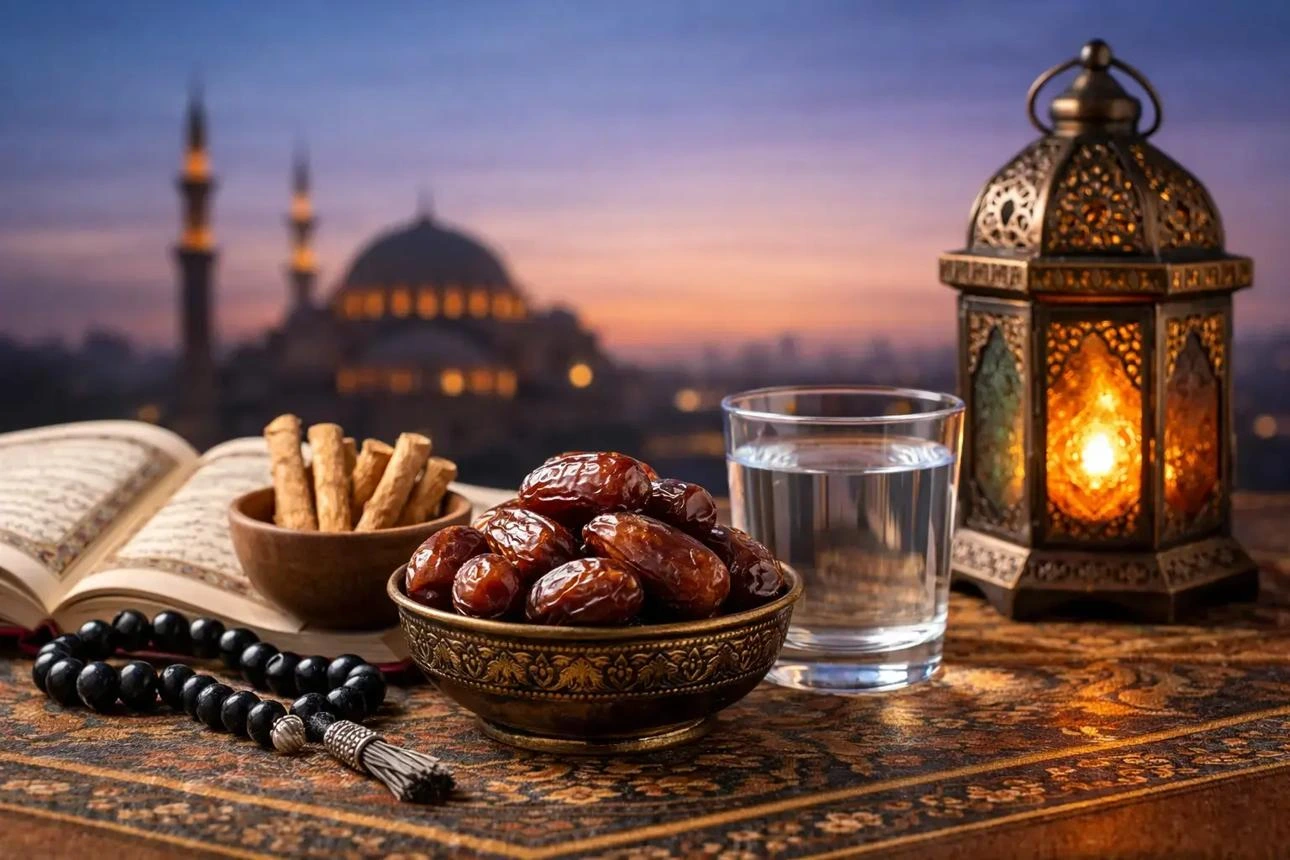
Voluntary fasting during Sha’ban is established in authentic Hadith, but fasting specifically on 15 Sha’ban because of a unique religious reward is disputed.
The Prophet ﷺ frequently fasted during Sha’ban, as recorded in Sahih al-Bukhari 1969.
Fasting three days each lunar month is also supported by authentic narrations.
Reference: Sahih Muslim 1162a.
The White Days, known as Ayyam al-Beed, are the 13th, 14th and 15th days of each Islamic lunar month.
Fasting these days is a recognised voluntary practice.
The Prophet ﷺ encouraged fasting on these dates in a narration recorded in Jami’ at-Tirmidhi 761.
For 2027, the expected dates will depend on the beginning of Sha’ban announced by the relevant moon-sighting authority.
| Islamic date | Earlier calendar estimate | Alternative estimate |
|---|---|---|
| 13 Sha’ban | Thursday, 21 January | Friday, 22 January |
| 14 Sha’ban | Friday, 22 January | Saturday, 23 January |
| 15 Sha’ban | Saturday, 23 January | Sunday, 24 January |
These are daytime fasting dates. Fasting begins at Fajr and ends at Maghrib.
Anyone intending to fast should confirm the dates against the calendar followed by their local mosque.
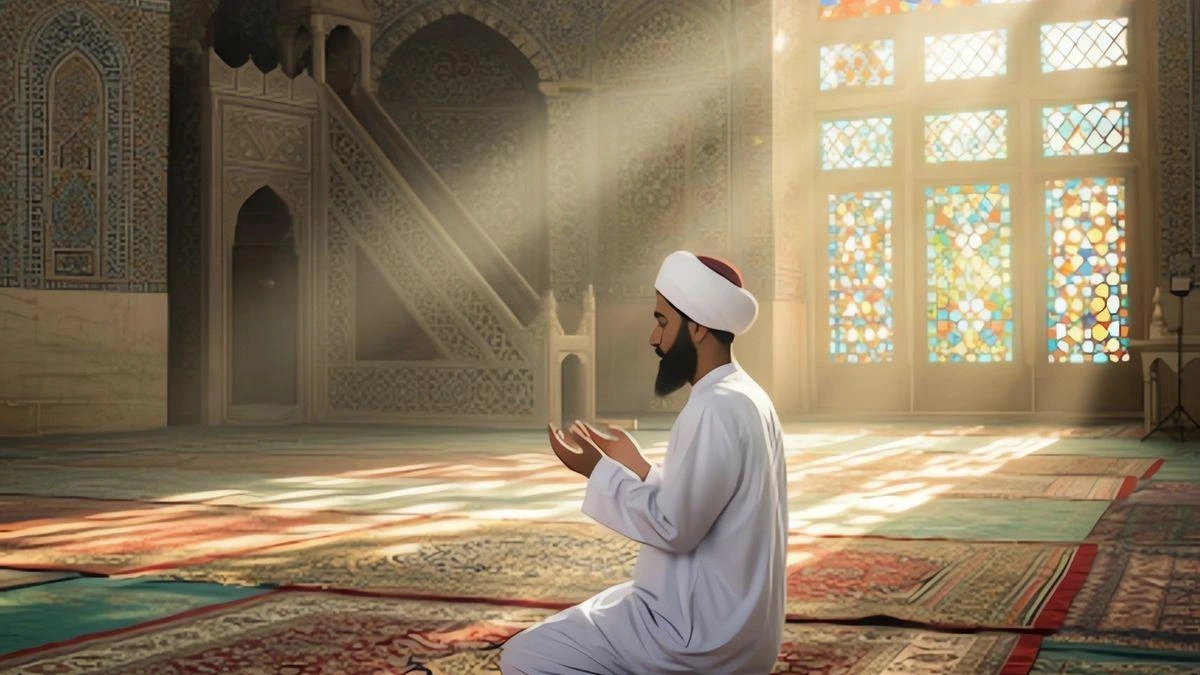
There is no reliably established compulsory or fixed-format Shab e Barat namaz in authentic Hadith.
Muslims can offer ordinary voluntary prayers, including Tahajjud, without treating a particular number of rak’ahs or recitations as mandatory.
Some traditional practices include specific prayer formulas and repeated recitation of Surah Al-Ikhlas or Surah Yasin.
However, such formulas should not be described as established Sunnah unless supported by reliable evidence.
A balanced approach is to offer voluntary prayer sincerely, without making unsupported claims about fixed rewards or religious obligations.
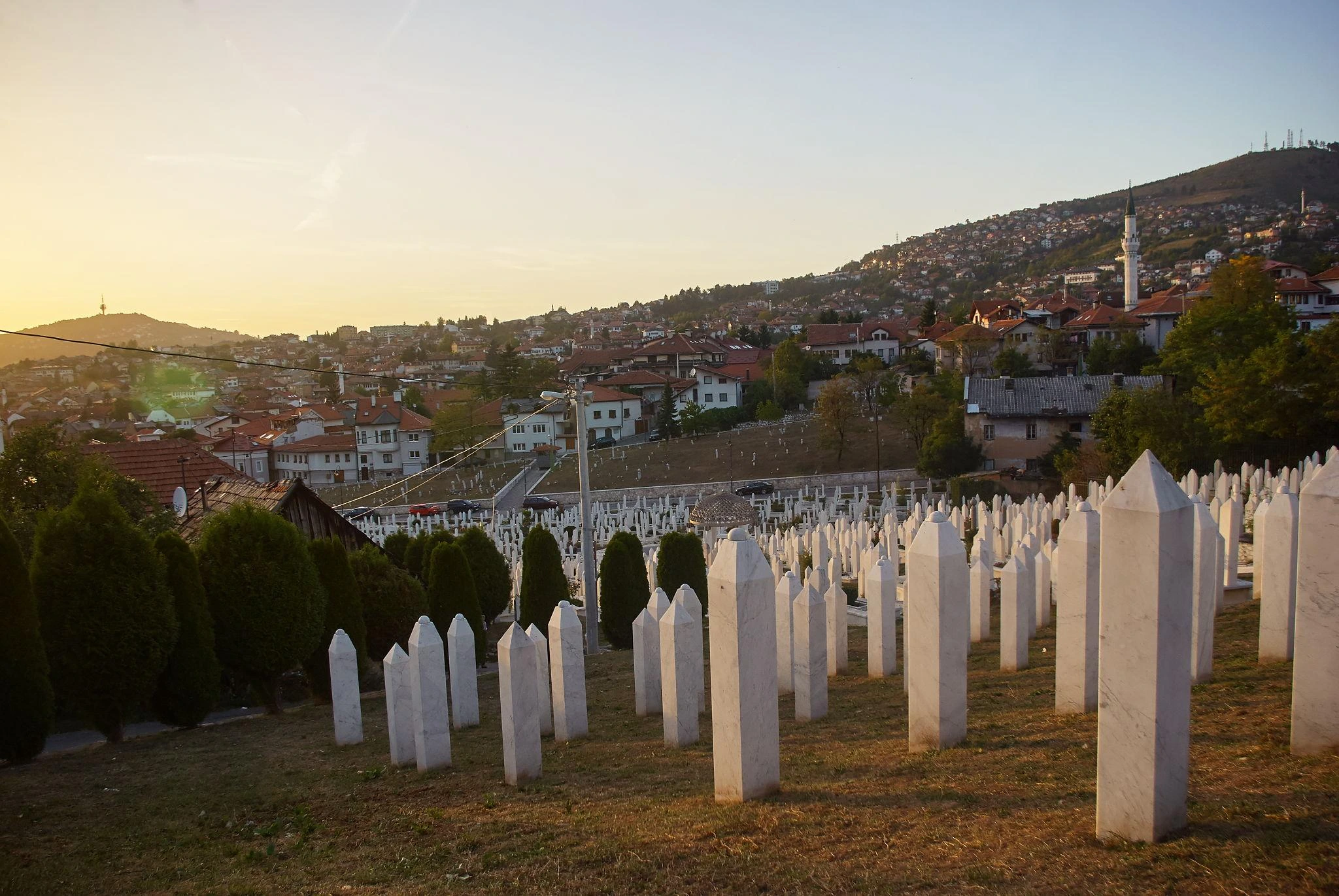
Visiting graves to remember the Hereafter and make dua for the deceased is permissible in Islam, but scholars differ about singling out Shab e Barat for this practice.
The Prophet ﷺ encouraged visiting graves because they remind believers of the Hereafter.
Reference: Sahih Muslim 977a.
Some Muslims visit cemeteries during the middle of Sha’ban, while others prefer not to associate grave visits with a particular date.
For Muslims living in the UK, practical arrangements also matter.
Cemetery opening hours may be shorter during January. Families should check local rules before planning a visit.
It is also important to remember that dua for deceased relatives can be made from home, the mosque or another suitable place.
Some traditions associate Shab e Barat with the recording of destinies, but the claim that all annual decrees are assigned specifically on this night is not established by clear, authentic evidence.
Surah Ad-Dukhan discusses a blessed night during which matters are decreed.
However, the widely accepted interpretation connects this passage with Laylat al-Qadr.
The Quran also identifies Laylat al-Qadr as a night in Ramadan.
Therefore, readers should distinguish between cultural traditions, scholarly interpretations and teachings established by strong Islamic evidence.
Shab e Barat is associated with the middle of Sha’ban, while Laylat al-Qadr occurs during Ramadan and has an explicitly established status in the Quran.
| Feature | Shab e Barat | Laylat al-Qadr |
|---|---|---|
| Islamic month | Sha’ban | Ramadan |
| Islamic timing | Night of 15 Sha’ban | Sought in the last ten nights |
| Common meaning | Night of Forgiveness | Night of Decree |
| Explicitly named in Quran | No | Yes |
| Special virtue | Scholarly disagreement | Clearly established |
| Recommended worship | General voluntary worship | Night prayer, dua and remembrance |
Surah Al-Qadr states that Laylat al-Qadr is better than a thousand months.
Reference: Surah Al-Qadr, 97:3.
Muslims should not confuse the two nights or attribute the Quranically established rewards of Laylat al-Qadr to Shab e Barat.
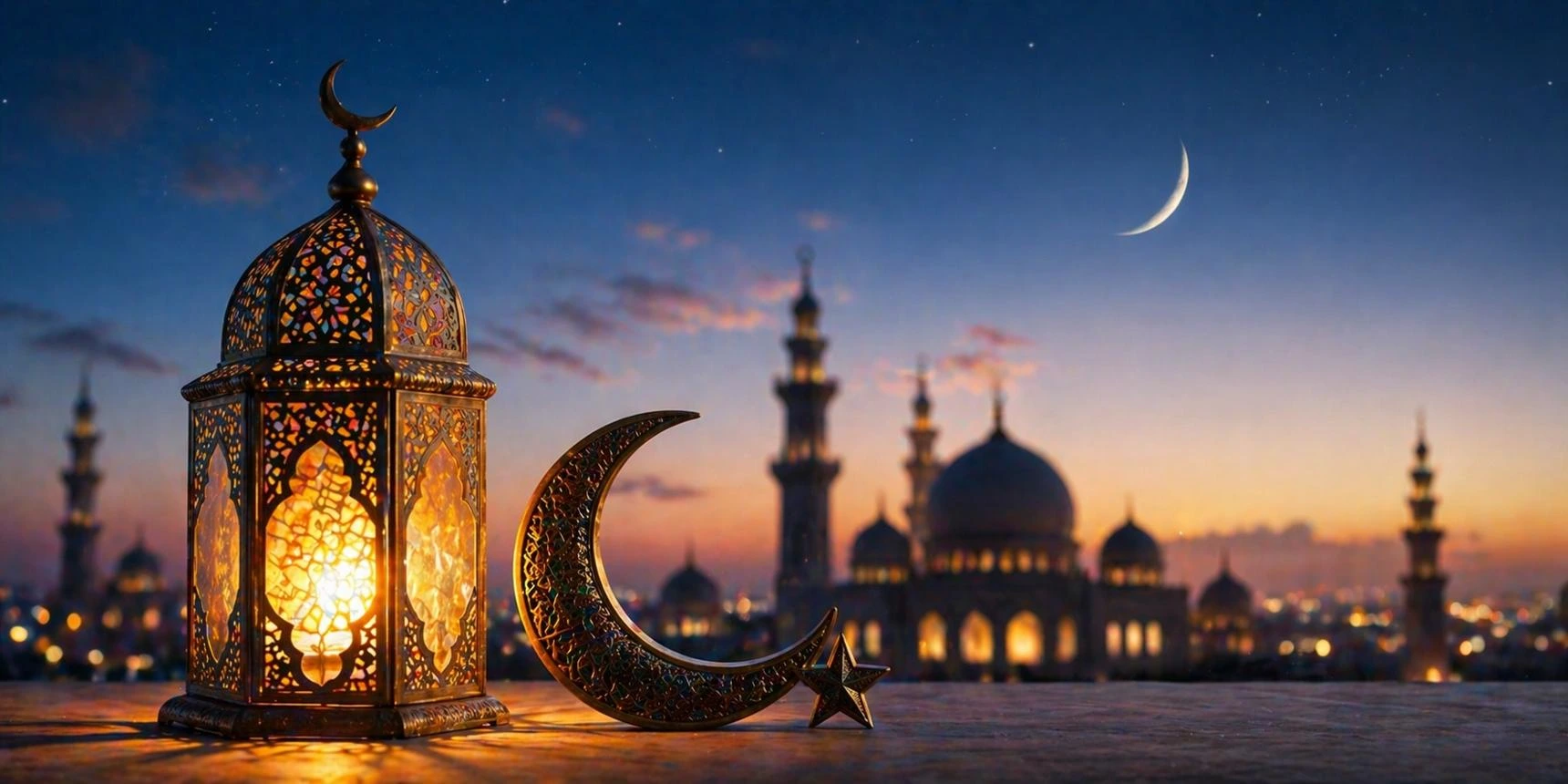
Shab e Barat falls approximately two weeks before Ramadan, making mid-Sha’ban a useful time to begin practical and spiritual preparations.
Ramadan 2027 is expected to begin around 8 or 9 February, depending on moon sighting.
| Islamic occasion | Expected Gregorian timing |
|---|---|
| Beginning of Sha’ban 1448 | Early January 2027 |
| Shab e Barat | 22 or 23 January evening |
| Beginning of Ramadan 1448 | Around 8–9 February 2027 |
| Last ten nights of Ramadan | Late February to early March |
| Eid al-Fitr 1448 | Around 9–11 March 2027 |
All dates are estimates and should be checked closer to the occasion.
Preparing early can make Ramadan more organised and spiritually rewarding.
Useful steps include:
Muslims considering Umrah can also use this period to organise their pilgrimage plans.
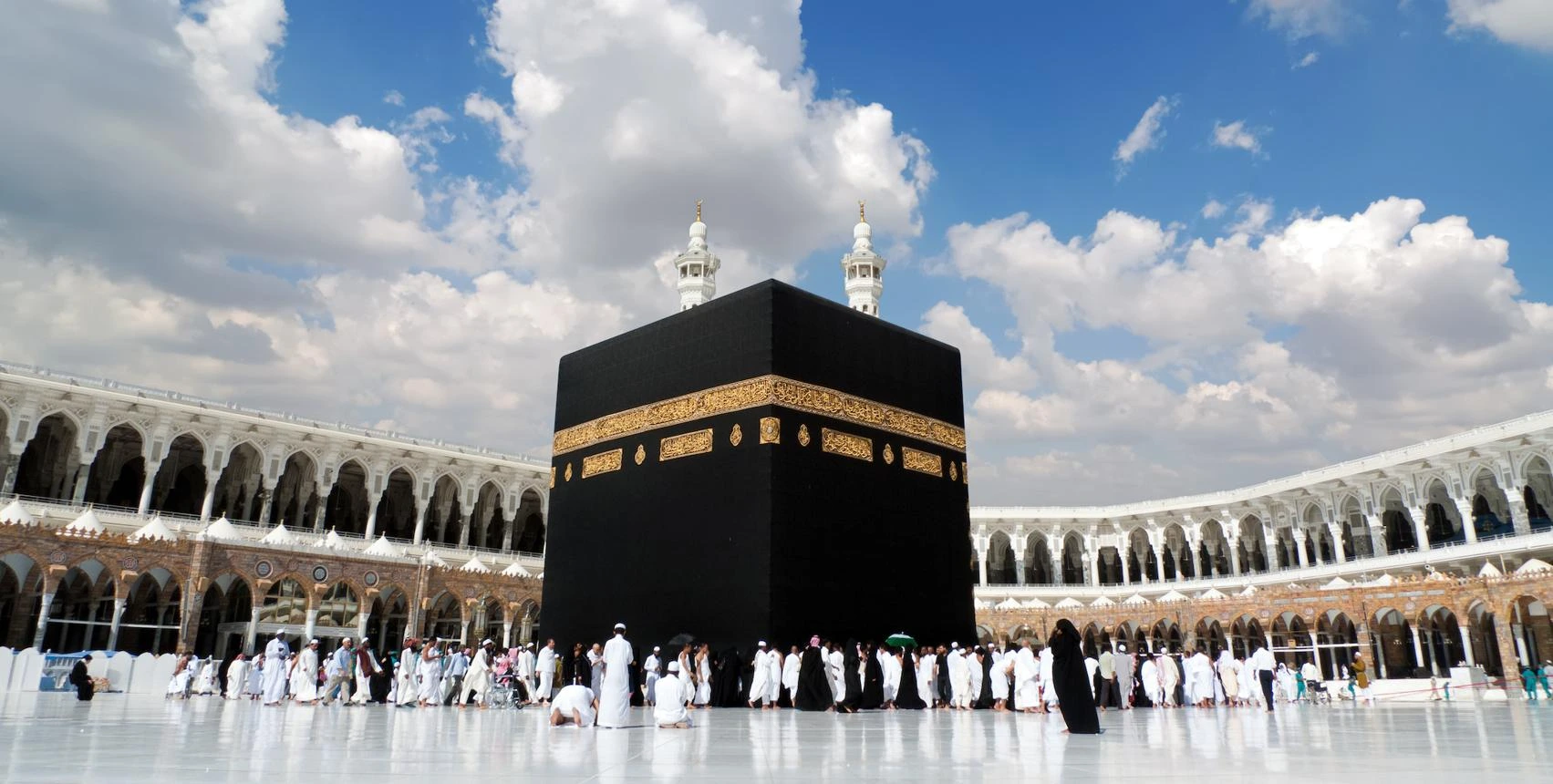
Umrah can be performed during Sha’ban or Ramadan, subject to the applicable travel, visa and pilgrimage regulations.
For UK Muslims, the choice of travel period often depends on budget, work commitments, accommodation preferences and the expected number of pilgrims.
Those who prefer higher-end accommodation can explore Best 5 Star Umrah Packages UK, while travellers comparing more affordable options may find Cheap All Inclusive Umrah Deals useful.
Ramadan is especially significant for Umrah because of the reward mentioned in an authentic Hadith.
The Prophet ﷺ described Umrah during Ramadan as equivalent in reward to Hajj.
Reference: Sahih al-Bukhari 1782.
This does not mean that Ramadan Umrah replaces the obligatory Hajj for someone who is required to perform it.
Muslims planning Umrah in Ramadan should consider booking arrangements well before departure.
Travellers comparing airports and flight options can also read the Ramadan Umrah 2027 UK Departure Guide for planning journeys from major UK cities.
Shab e Barat is not an official public or bank holiday in the United Kingdom.
Schools, offices, shops and most public services generally follow their normal schedules.
Some mosques may arrange religious talks, Quran recitation or community gatherings around the occasion.
Muslims who wish to attend evening programmes should check local mosque announcements.
Because the expected dates fall during January, families should also consider winter weather and travel conditions.
Shab e Barat is observed in different ways across UK Muslim communities, reflecting cultural traditions and varying scholarly interpretations.
Some families spend the evening at home making dua and reading the Quran.
Others attend mosque programmes, listen to Islamic lectures or spend additional time in voluntary worship.
In some communities, families also prepare food, share meals with relatives or give charity.
These cultural practices should not automatically be treated as compulsory religious acts.
The most important consideration is that worship remains sincere and consistent with sound Islamic guidance.
Shab e Barat 2027 is expected on Friday evening, 22 January, or Saturday evening, 23 January. The exact date depends on the moon-sighting method followed by the local Muslim community.
Shab e Barat begins at Maghrib and continues until Fajr the following morning. The exact prayer times vary across UK cities and should be checked using a local mosque timetable.
Both dates appear in calendar predictions. Some calendars place the night on 22 January, while others predict 23 January. The difference arises from moon-sighting methods and the beginning of the Islamic day at sunset.
Shab e Barat falls on the night of 15 Sha’ban 1448 AH, the eighth month of the Islamic calendar.
No. Shab e Barat is not explicitly named in the Quran. Some historical interpretations associate it with Surah Ad-Dukhan, but the widely accepted explanation connects the blessed night mentioned there with Laylat al-Qadr.
There is no single authentic dua prescribed exclusively for Shab e Barat. Muslims can recite Quranic duas for forgiveness, mercy, guidance and goodness, including the supplication in Surah Al-A’raf 7:23.
There is no authentically prescribed number of rak’ahs specifically for Shab e Barat. Muslims may offer voluntary night prayers according to their ability.
Yes. Voluntary fasting is permissible, and fasting the White Days of the lunar month is a recognised Sunnah. However, a unique reward for fasting specifically on 15 Sha’ban is not established by an undisputed authentic Hadith.
No. There is no established obligation to perform a special Shab e Barat prayer, fast or celebration. Scholars differ over the special virtue of the night, while ordinary acts of worship remain encouraged throughout the year.
No. Shab e Barat is associated with 15 Sha’ban, while Laylat al-Qadr occurs during Ramadan. Laylat al-Qadr has explicit Quranic evidence establishing its special virtue.
Yes. Women can make dua, seek forgiveness, remember Allah and perform acts of worship permitted in their circumstances. The general Islamic rules relating to prayer and ritual purity continue to apply.
Muslims can spend the evening at home reciting the Quran, making dua, seeking forgiveness and performing permissible voluntary worship. Cultural customs should not be treated as religious obligations without evidence.
No. Shab e Barat is not a bank holiday in England, Scotland, Wales or Northern Ireland.
There are approximately 15 to 17 days between the expected Shab e Barat night and the beginning of Ramadan 2027, depending on the final Islamic calendar dates.
Shab e Barat 2027 in the UK is expected on the evening of 22 or 23 January, marking the night of 15 Sha’ban 1448 AH. The final date will depend on the Islamic calendar and moon-sighting announcement followed by each community.
The middle of Sha’ban can be a valuable reminder to seek Allah’s forgiveness, strengthen family relationships, increase voluntary worship and prepare for Ramadan.
While scholars hold different views about the special status of Shab e Barat, the importance of sincere repentance, Quran recitation, prayer, charity and good character is firmly established in Islam.
As Ramadan 2027 approaches, Muslims across the UK can use this period to renew their intentions and develop consistent habits of worship.
May Allah forgive our shortcomings, accept our sincere repentance and allow us to reach Ramadan in good health and faith. Ameen.
Our curated content will ensure you’re well–prepared and inspired every step of the way.