Day Trips From Madinah & Makkah: Is It Worth It?
October 6, 2025 No Comments
When most people travel to Saudi Arabia for Hajj or Umrah, their focus is naturally…
Home / Between Airports and Arafat: The Modern Rhythm of Pilgrimage
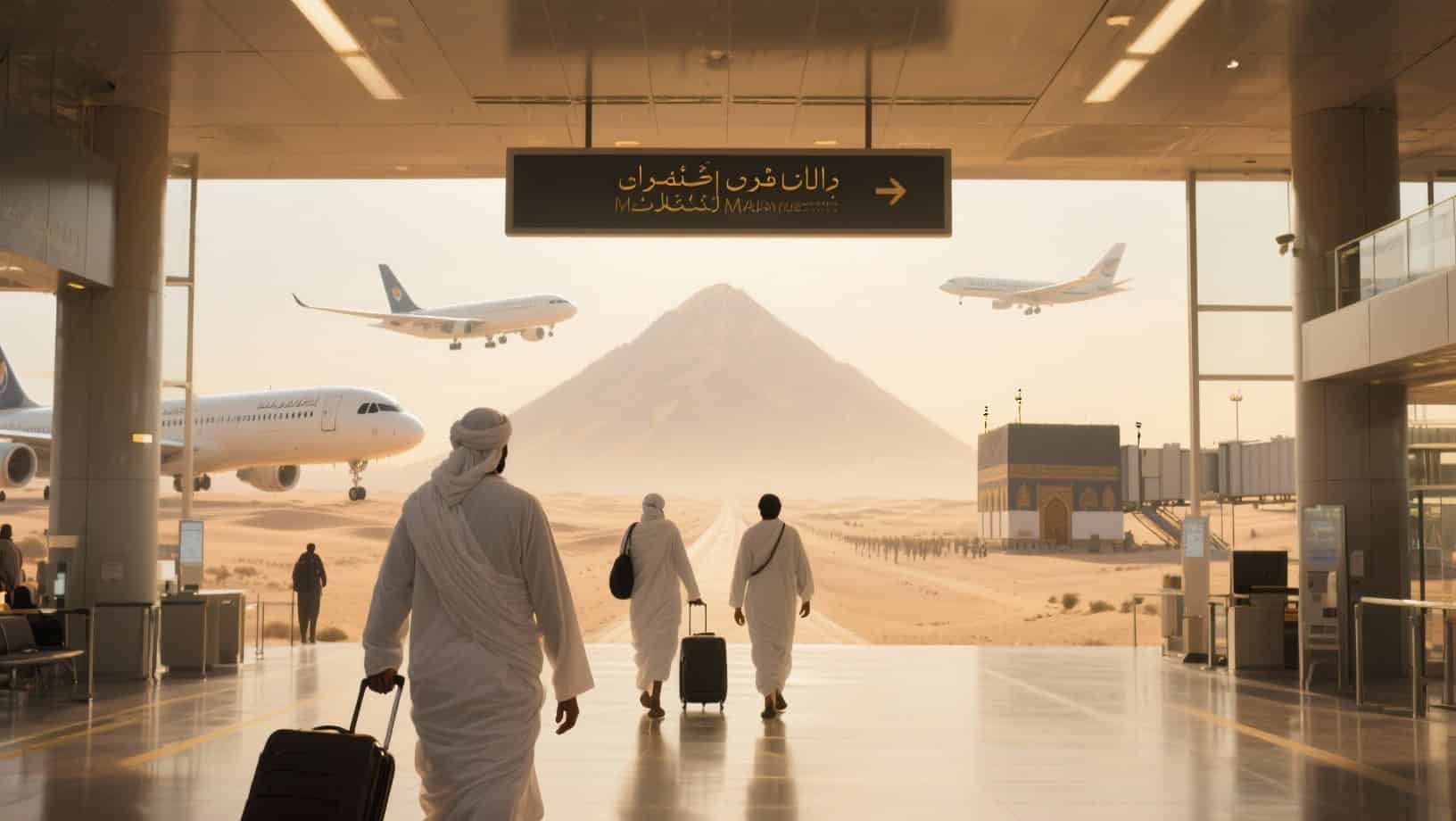
The journey of pilgrimage has always been more than just travel. It is a timeless experience that connects body and soul, earth and heaven, and people from every corner of the world. In the past, this sacred journey was filled with months of walking through deserts, riding camels, and facing uncertain paths. Today, the rhythm has changed. Pilgrims move through airports instead of dunes, guided by digital maps instead of stars. Yet, the purpose remains the same — to seek closeness to Allah and find peace through devotion.
Modern pilgrims experience a unique balance between tradition and technology. With the convenience of Umrah Packages Edinburgh, airplanes, mobile apps, and organized tours have made Umrah and Hajj more accessible than ever. But as the physical challenges lessen, the emotional and spiritual connection must still be nurtured. Between airports and Arafat lies a spiritual transformation that no technology can replace.
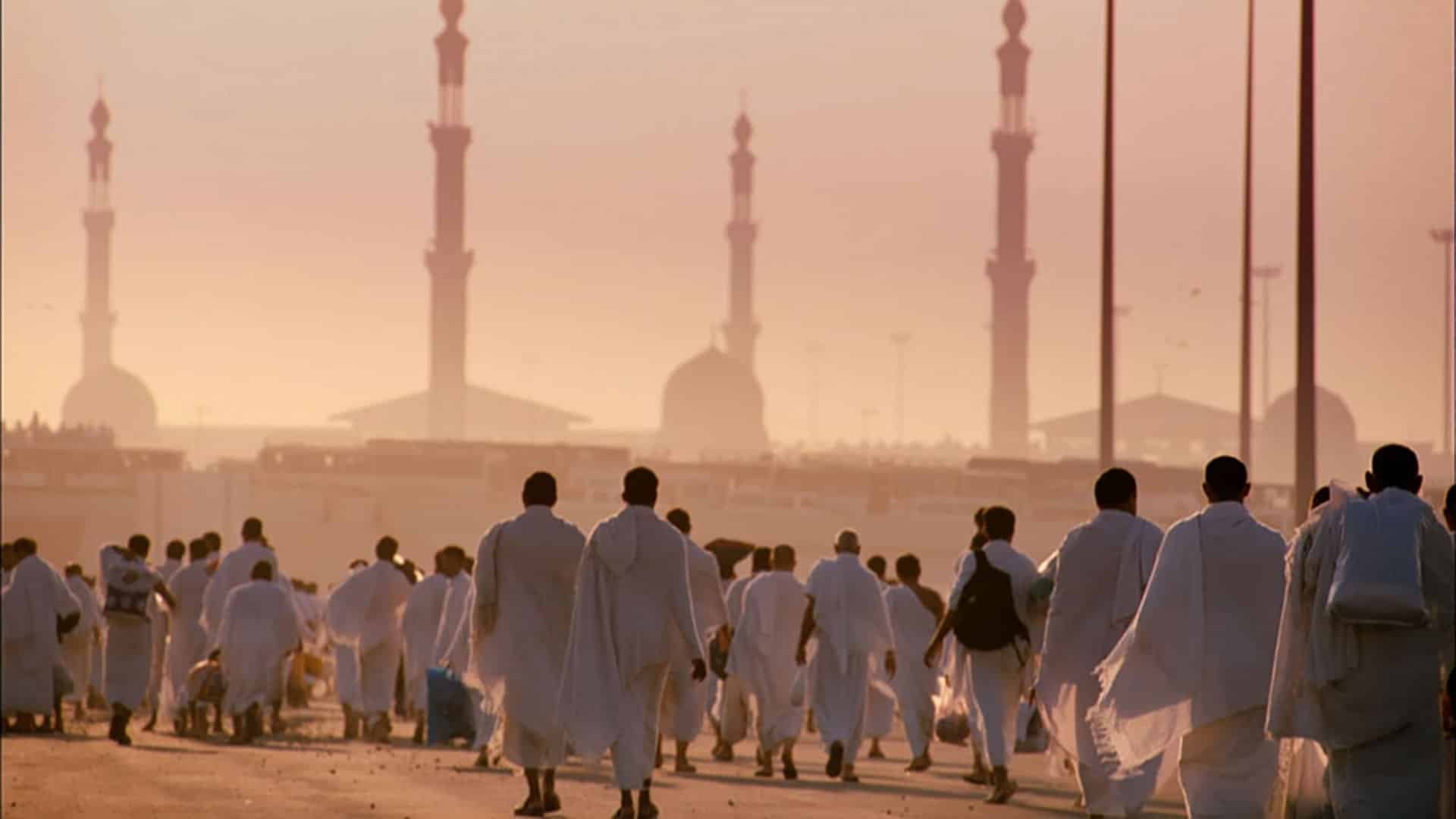
A pilgrimage in Islam, whether it is Hajj or Umrah, is not merely a journey to Makkah. It is a spiritual duty that symbolizes submission, equality, and purification. Muslims from every part of the world gather for one purpose: to worship their Creator. Every ritual, from wearing the ihram to performing tawaf around the Kaaba, reflects humility and unity.
While Hajj is an obligatory pilgrimage for those who can afford it, Umrah is a voluntary but highly recommended act of worship. It can be performed at any time of the year and holds immense reward. Together, they represent a journey from the external world into the inner heart — a call to leave behind worldly distractions and reconnect with faith.
Centuries ago, pilgrims would begin their journey with farewells and tears, unsure if they would ever return. They walked or rode animals through deserts and seas, carrying food, water, and faith. Each step was a test of patience and devotion.
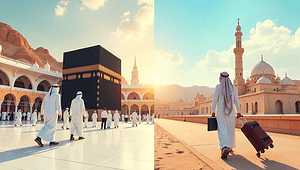
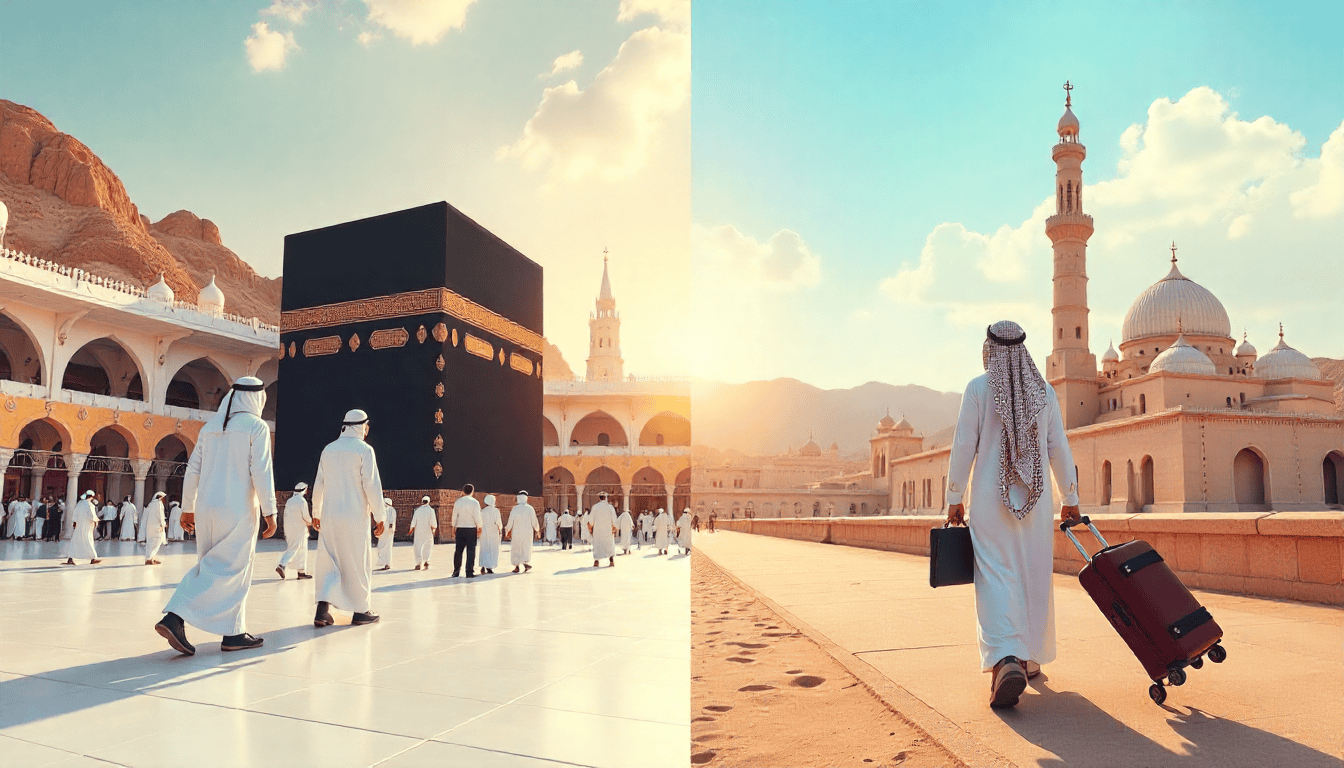
Today, the scene looks very different. Pilgrims board flights, pass through immigration, and scroll through their mobile phones while waiting for boarding announcements. The once distant land of Makkah can now be reached in hours instead of months. Air travel has made pilgrimage accessible to millions, turning it into one of the largest peaceful gatherings on earth.
The modern rhythm of pilgrimage begins long before reaching Makkah. It starts at home with online bookings, visa applications, and travel packages. Pilgrims research hotels near the Haram, compare prices, and use mobile apps to track rituals. Even the ihram can be purchased online with doorstep delivery.
Technology has made the process smoother and faster. But it has also introduced a new challenge — distraction. Amid flight schedules, hotel check-ins, and Wi-Fi connections, the pilgrim must guard the purity of intention. True pilgrimage is not about comfort but connection, not about convenience but consciousness.
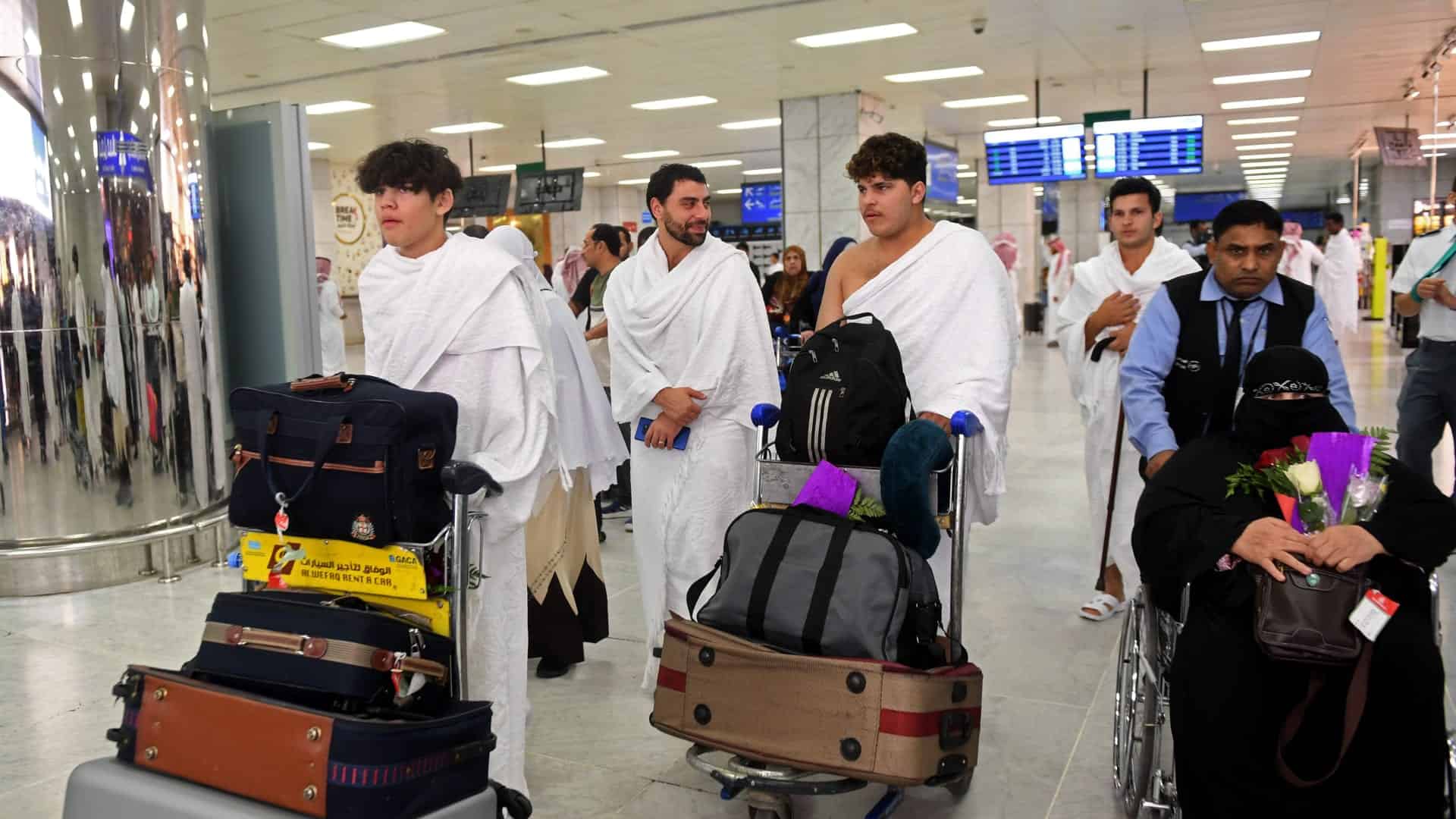
Airports have become the new gateways to spirituality. For many, the first tears of emotion fall not in Makkah, but in the waiting lounge, when they realize the honor of being called for pilgrimage. Strangers share smiles, families pray together, and hearts begin to soften even before the flight takes off.
Yet, even in this modern setting, the pilgrim faces inner tests. Delays, crowds, and tiredness can easily steal patience. These small moments are part of the spiritual preparation, reminding believers that every step toward Allah requires endurance and sincerity.
Modern technology plays a huge role in shaping today’s pilgrimage experience. Mobile apps guide pilgrims through every ritual. GPS trackers help families stay connected. Translation apps break language barriers for those traveling from distant countries. Even virtual tours prepare first-timers for what to expect.
However, while technology enhances convenience, it should never replace reflection. A pilgrim’s attention must stay centered on worship, not on taking photos or sharing updates. The most beautiful memories are those engraved in the heart, not just captured on a screen.
The modern rhythm of pilgrimage beautifully blends tradition with progress. Air-conditioned tents in Mina, escalators in the Haram, and online lectures on fiqh make the experience easier. Yet, the spiritual purpose remains the same as it was for Prophet Ibrahim and Prophet Muhammad (peace be upon them).
Modern comfort does not reduce the spiritual value of pilgrimage. Instead, it shifts focus. Pilgrims now have more time and energy to spend in worship, reflection, and dua. The challenge is to use these comforts wisely, turning convenience into gratitude and technology into a tool of remembrance.

True preparation for pilgrimage begins within. While travelers pack their bags, the believer must also cleanse the heart of pride, anger, and worldly attachment. Before the flight to Makkah, one should reconcile with loved ones, seek forgiveness, and renew intentions.
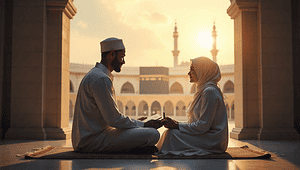
Modern times allow easy physical preparation, but spiritual readiness still requires effort. Reading about the rituals, learning the meaning of each step, and praying for acceptance are acts that strengthen the soul. A sincere heart is the most essential travel companion.
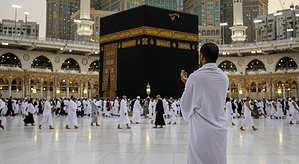
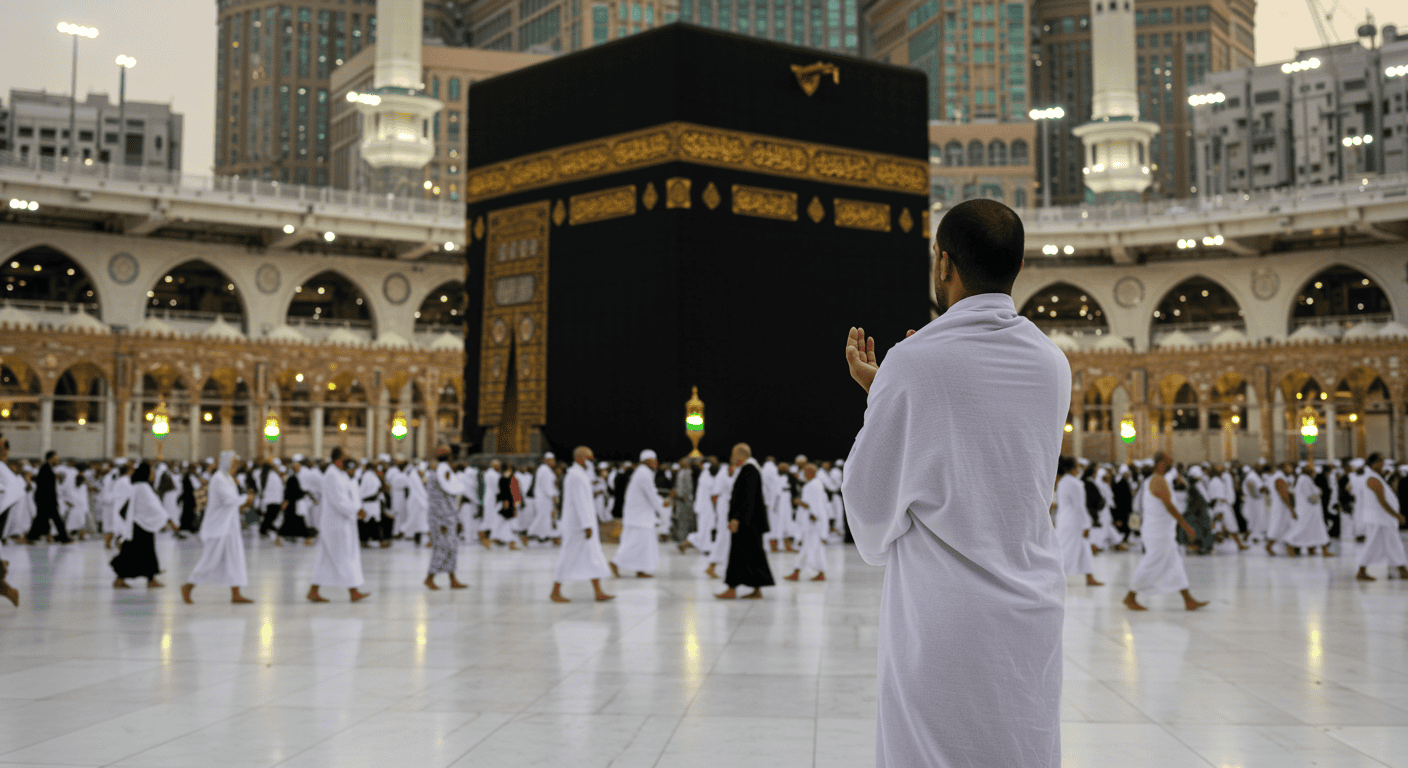
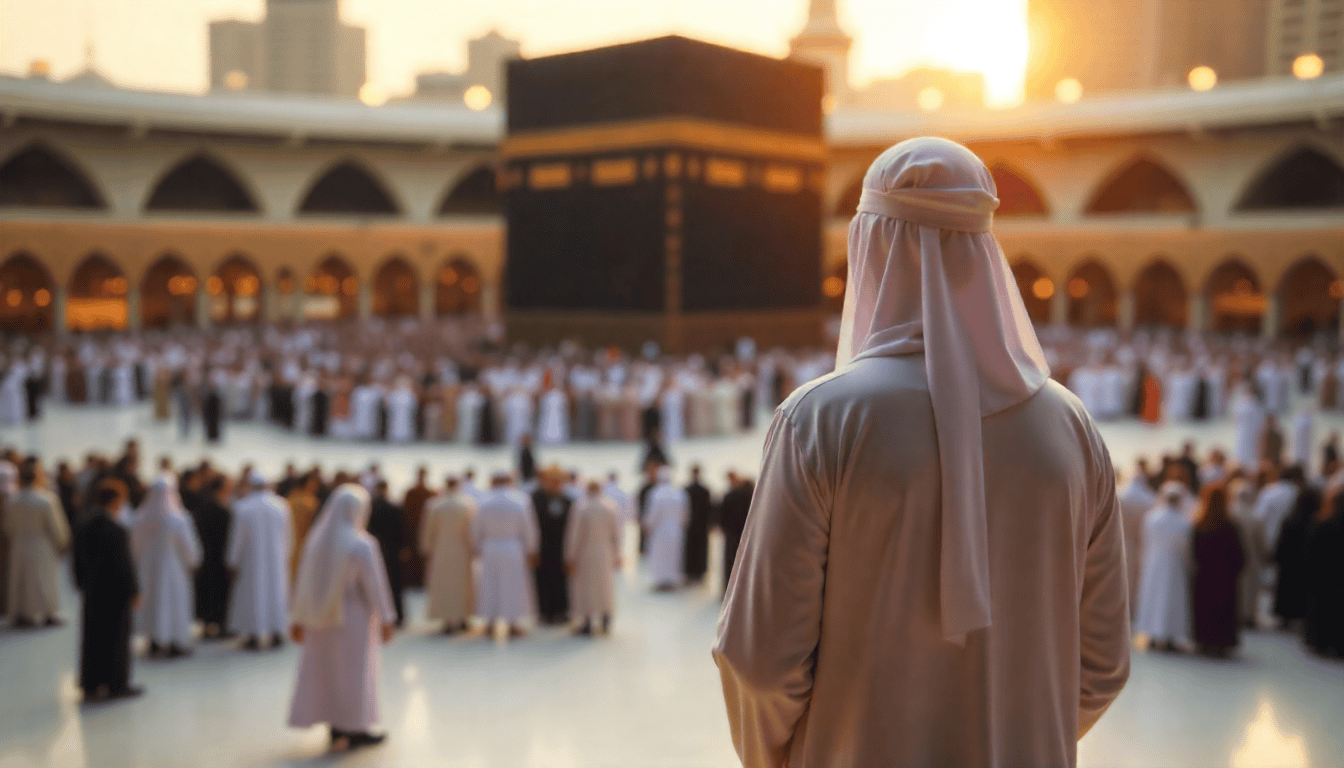
Stepping into the holy city of Makkah fills every pilgrim with awe. The sight of the Kaaba erases fatigue and replaces it with tears of gratitude. Whether arriving by air, road, or train, every pilgrim feels the same emotion — a deep connection that words cannot express.
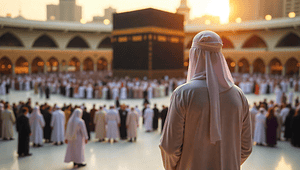
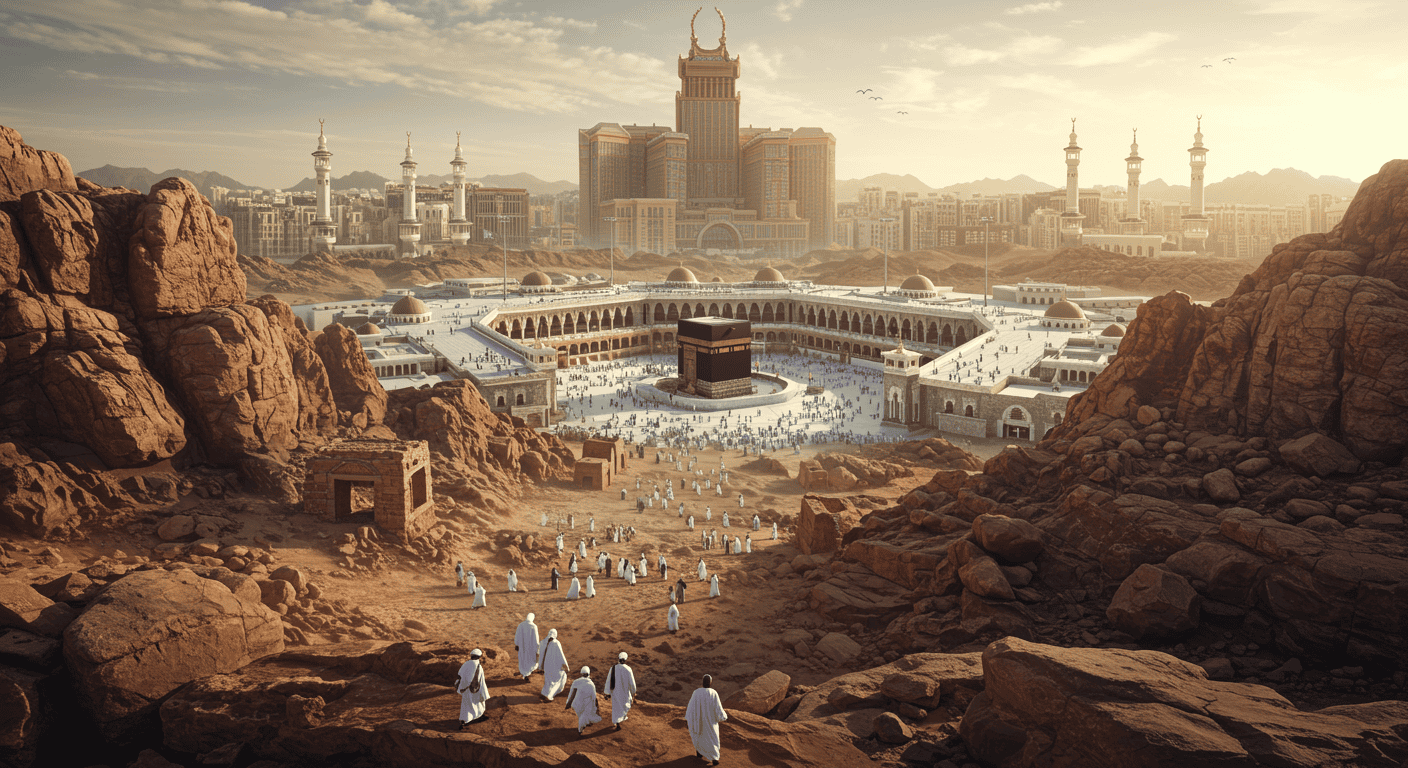
The modern skyline surrounding the Haram may appear different from centuries ago, but the heart of worship remains untouched. The Kaaba still stands as the center of the world for Muslims, reminding all that faith transcends time, language, and technology.
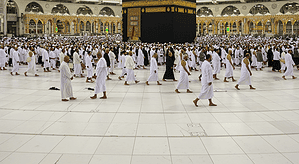
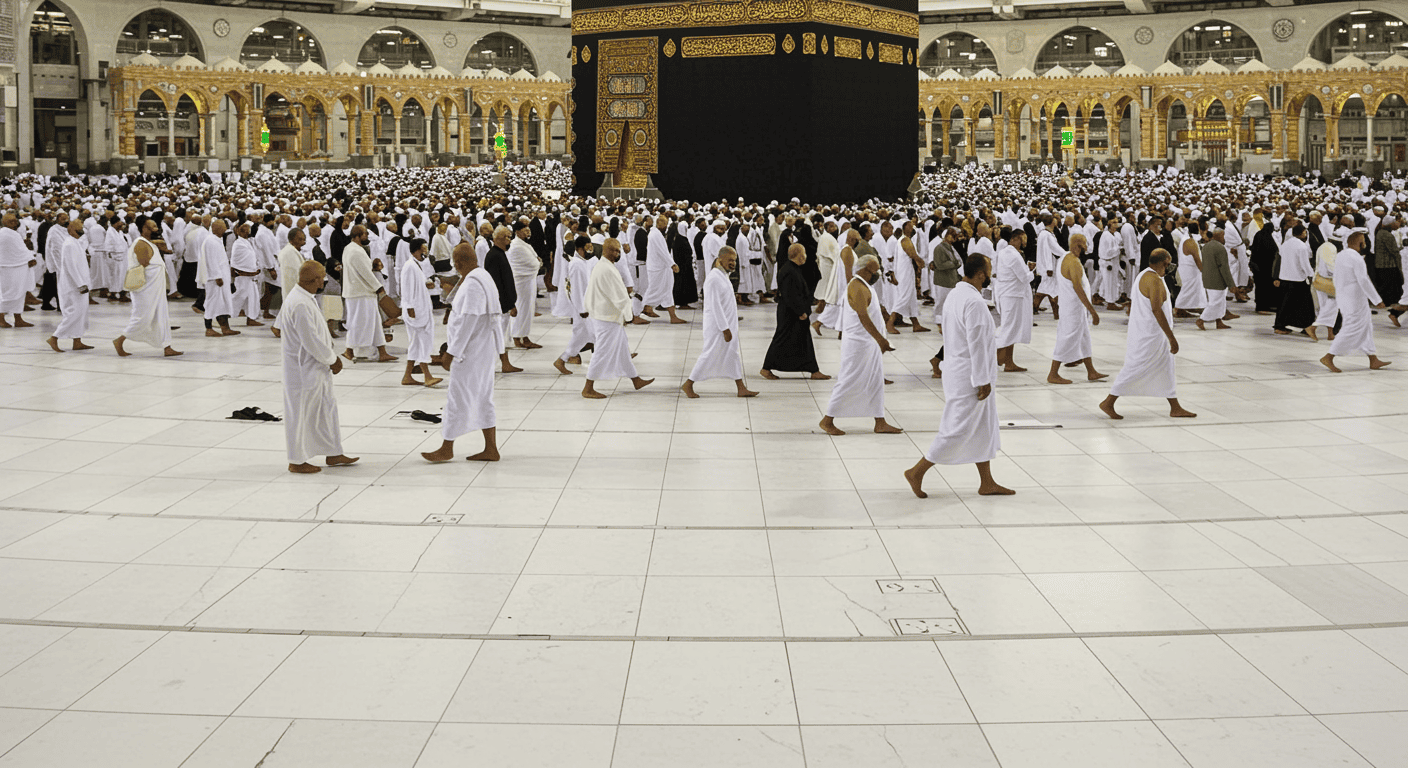
Tawaf, the act of circling the Kaaba seven times, symbolizes the eternal movement of life and devotion. As pilgrims move in harmony, they reflect unity in diversity — a silent message that every soul revolves around the Creator.
The walk between Safa and Marwah, known as Sa’i, honors the struggle of Hajar, the wife of Prophet Ibrahim. It reminds pilgrims that faith is not passive; it requires effort, patience, and trust in Allah’s plan. These rituals link ancient history with present devotion, connecting generations through shared belief.
Modern pilgrims can complete rituals quickly thanks to efficient systems and well-organized Umrah Packages, but the essence lies in reflection. Each act of worship carries deep symbolism that can easily be overlooked amid the pace of modern life. Tawaf teaches humility, Sa’i teaches perseverance, and Ihram teaches equality.
By understanding these meanings, a pilgrim turns physical movement into spiritual awakening. The journey transforms from routine to realization, from action to awareness.
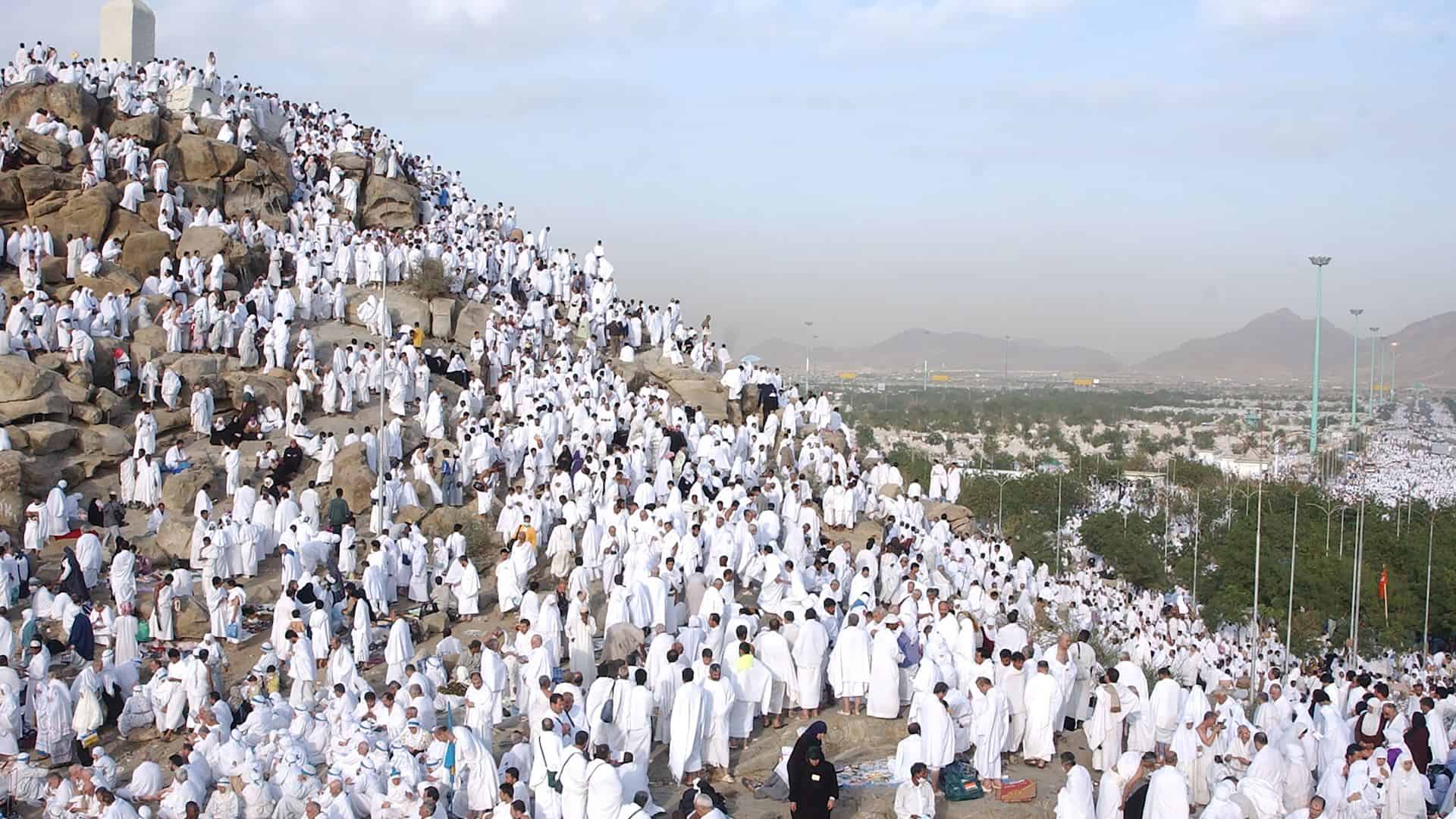
Standing on the plain of Arafat is the heart of Hajj, and spiritually, it represents the meeting point between humanity and mercy. It is said that this is where prayers are most readily accepted. Every pilgrim stands equal before Allah, dressed in simple garments, stripped of all worldly distinction.
In the modern age, the experience of Arafat still holds the same intensity. While tents may now be cooler and communication easier, the spiritual weight of that day remains unchanged. It is a moment of silence, tears, and surrender — a reminder that life’s journey too will one day lead to such a meeting.
Today’s pilgrimage unites millions from over 180 countries. Airports across continents become spiritual gateways as diverse faces share one faith. The journey dissolves barriers of nationality, language, and class.
Technology and travel have created a global community of believers. Social media allows pilgrims to share experiences instantly, inspiring others worldwide. Yet, beyond these connections lies the deeper truth — pilgrimage unites humanity in submission to one Creator.
While modern pilgrimage involves flights and hotels, the true journey happens within. The heart travels from pride to humility, from distraction to focus, from distance to closeness with Allah. Every moment becomes an opportunity for self-purification.
This transformation is timeless. The physical world around the pilgrim may evolve, but the soul’s yearning for its Creator remains constant. The rhythm of pilgrimage beats not just in footsteps, but in the heart’s surrender.
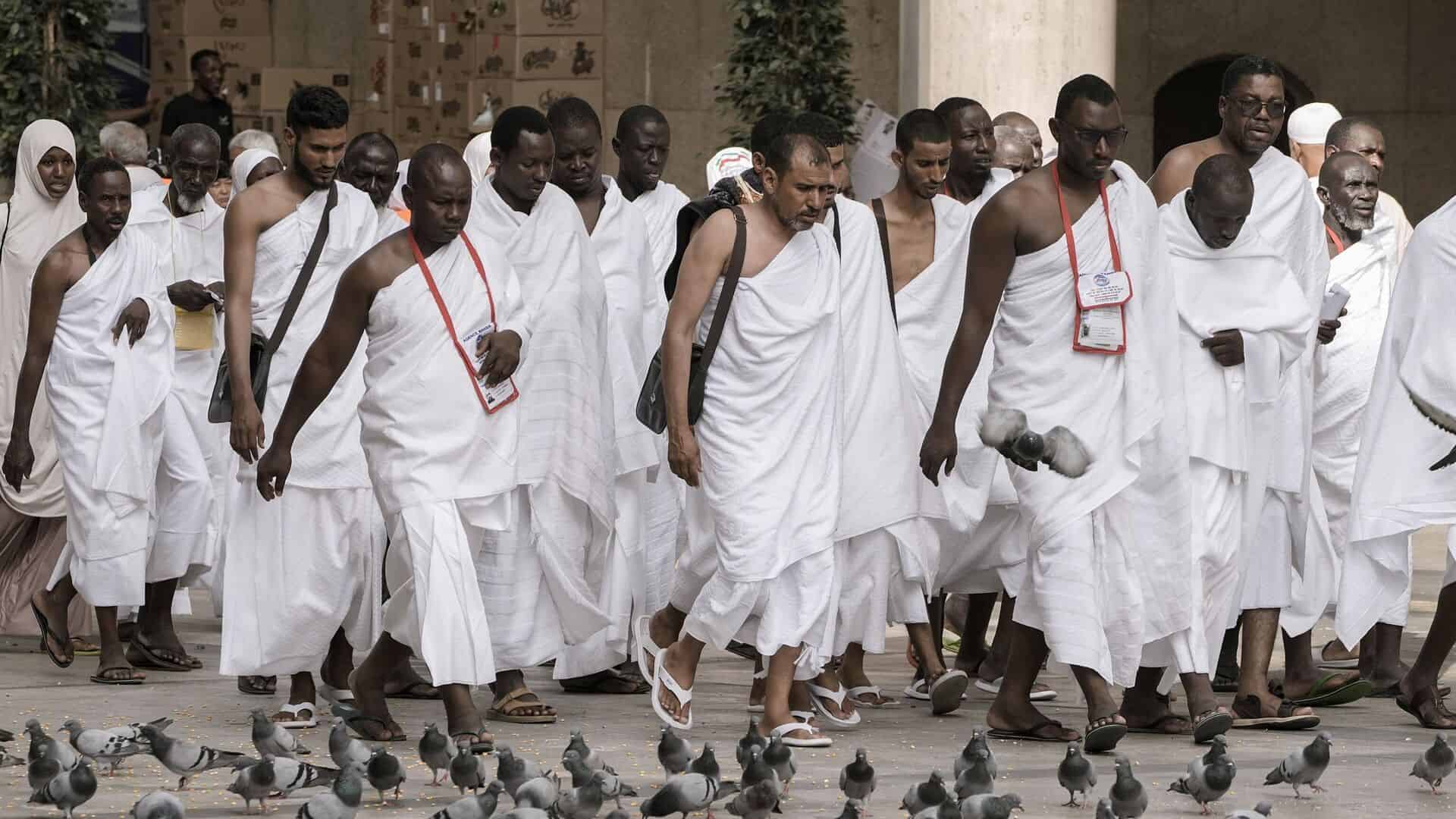
In a world of constant noise and motion, pilgrimage offers silence and stillness. It teaches values that modern life often forgets — patience, equality, gratitude, and simplicity. It reminds humanity that peace does not come from possessions but from presence.
Performing Umrah or Hajj today is also a statement of faith against materialism. It is a declaration that, despite technology and luxury, humans still seek divine connection. The modern rhythm of pilgrimage proves that faith adapts but never fades.
The benefits of pilgrimage extend beyond forgiveness of sins. It renews perspective, strengthens faith, and brings clarity to life’s purpose. Pilgrims return home lighter, calmer, and more focused on spiritual priorities.
Socially, it builds unity and empathy. Standing shoulder to shoulder with believers from across the globe teaches humility and brotherhood. Economically, pilgrimage supports communities and creates opportunities for service and growth. Spiritually, it rekindles hope and strengthens the bond between a believer and the Creator.
Modern amenities have made pilgrimage more comfortable, but the pilgrim must ensure comfort does not lead to heedlessness. The goal is not to make the journey luxurious, but meaningful. Each ease should be met with gratitude, not indulgence.
By balancing comfort with consciousness, pilgrims can use modern advancements without losing spiritual depth. A comfortable journey can still be a sacred one when the heart remains awake to the purpose behind every step.
The true success of pilgrimage is not measured by how smoothly the trip went, but by what changes afterward. A sincere pilgrim carries the peace of Makkah and the patience of Arafat back home.
Returning pilgrims often describe a deep sense of longing to go back. This longing is a gift, a reminder that the journey of faith continues even after leaving the holy land. The real challenge begins at home — living every day with the same mindfulness, humility, and gratitude.
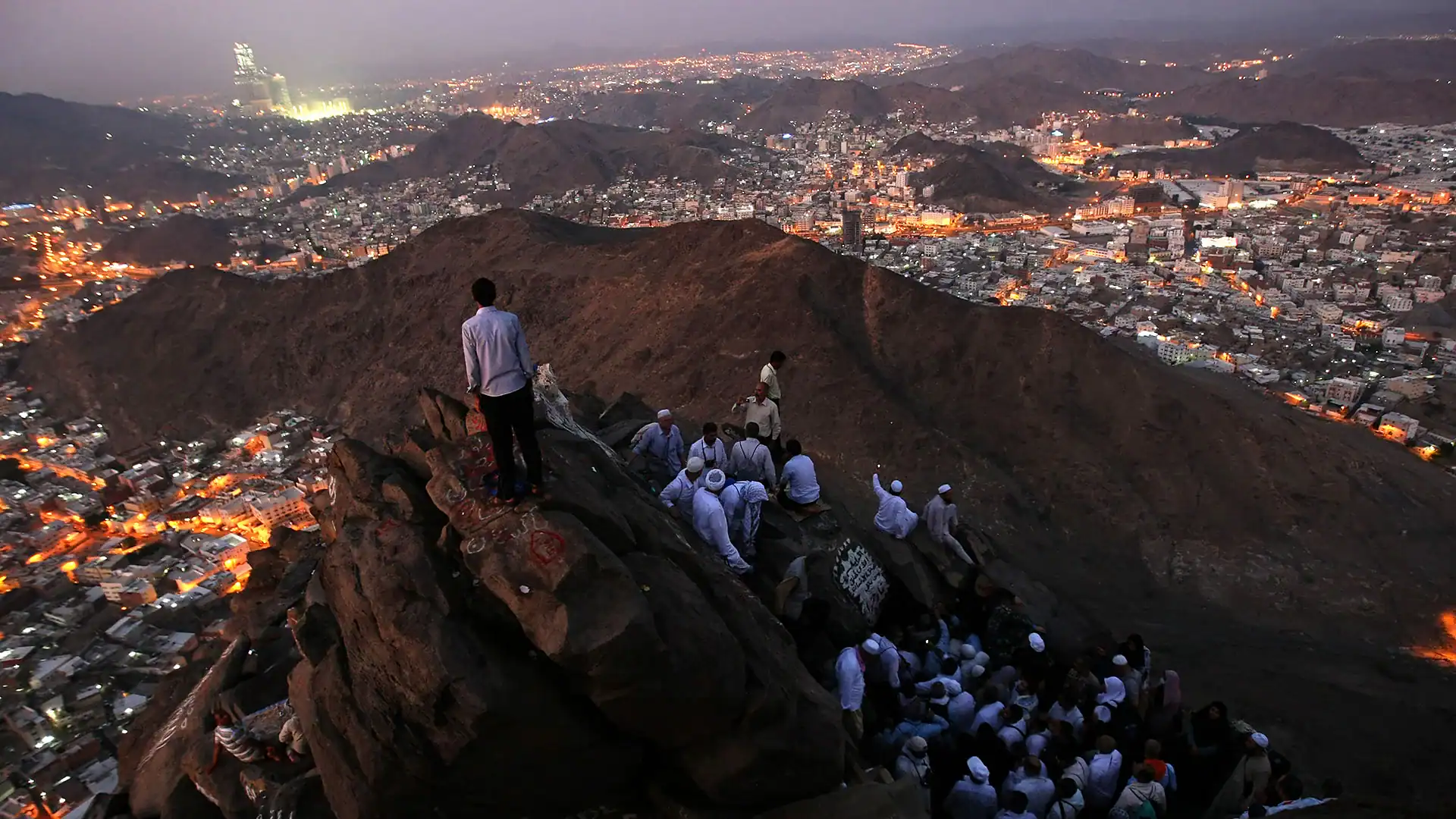
As the world continues to evolve, so will the pilgrimage experience. New technologies may make the journey even smoother, but the essence will remain the same. The call of the Kaaba will continue to echo in the hearts of believers.
Perhaps future generations will travel faster, but the spiritual rhythm will always stay timeless. Between airports and Arafat, every pilgrim will still seek the same peace that generations before them found under the desert sky.
Pilgrimage is not bound by time or culture. It is a living reminder that all human journeys lead toward the same destination — returning to the Creator. It teaches that surrender is the truest form of freedom and that peace begins within before it shines outward.
From the first pilgrims who walked across deserts to today’s travelers flying across continents, the message remains unchanged: to seek mercy, forgiveness, and nearness to Allah.
The modern rhythm of pilgrimage beautifully unites the old and the new. Between airports and Arafat, faith flows unchanged through time. Planes may replace camels, and digital maps may replace stars, but the heart of the believer still beats with the same devotion.
This journey reminds every pilgrim that while the world moves forward, the path to Allah remains timeless. Umrah Travel Agents play a key role in helping believers embark on this sacred journey with ease and guidance. The rhythm may sound modern, but its melody is eternal — a song of surrender, peace, and love for the One who calls His servants to His sacred house.
Our curated content will ensure you’re well–prepared and inspired every step of the way.