Why Does Choosing the Right Umrah Travel Partner Matter?
October 14, 2025 No Comments
Performing Umrah is a deeply spiritual journey that brings countless Muslims closer to their faith.…

Home / Day Trips From Madinah & Makkah: Is It Worth It?
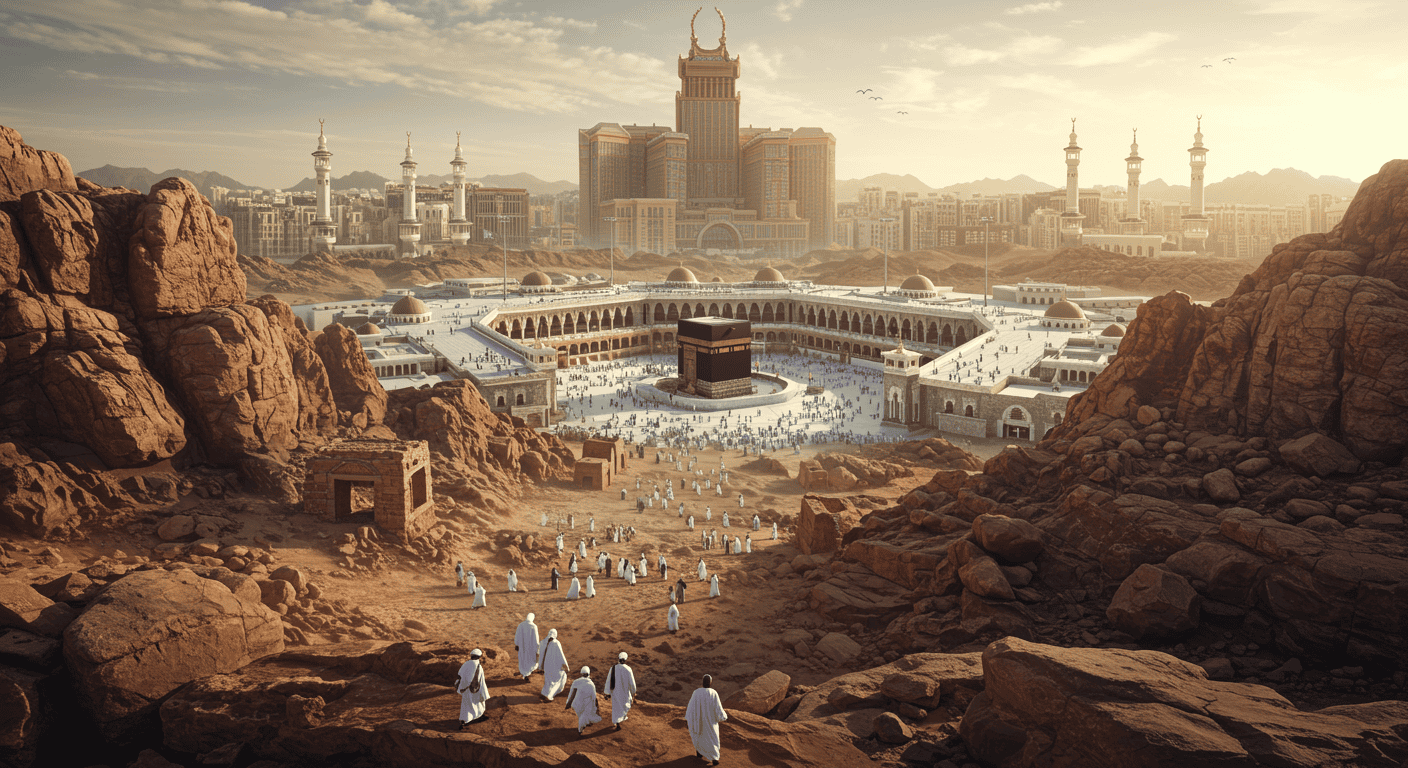
When most people travel to Saudi Arabia for Hajj or Umrah, their focus is naturally on performing the sacred rituals in Makkah and Madinah. These two holy cities hold immense spiritual significance for Muslims worldwide. Every corner of Makkah and Madinah has a story to tell, filled with faith, sacrifice, and the legacy of the Prophet Muhammad (peace be upon him) and his companions. But beyond the rituals of Umrah and the daily prayers in the Haramain, there lies a deeper opportunity — exploring the lands that witnessed the foundations of Islam.
That is where day trips from Madinah and Makkah come into the picture. These short excursions allow pilgrims and travelers to explore historical sites, mountains, mosques, and valleys that hold deep spiritual and cultural meaning. Many people who visit for Umrah through December Umrah Packages or even for business wonder whether it is worth spending time outside the holy cities. The answer often depends on what one seeks — a journey of knowledge, reflection, and connection with Islamic history.
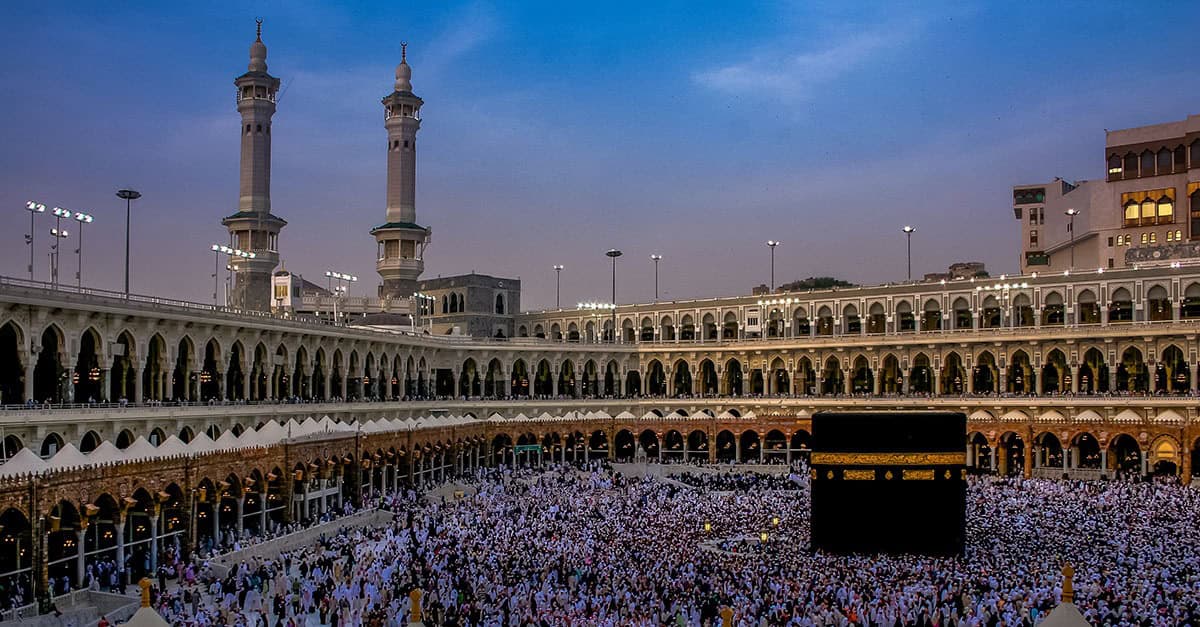
Day trips from Madinah and Makkah are short excursions organized by local guides or travel agencies, typically lasting a few hours or a single day. These trips take visitors to nearby historical or natural locations that can be reached within a short drive from the holy cities. In most cases, these places have direct connections to Islamic history, the Prophet’s life, and early Muslim battles or migrations.
Travelers can join guided tours, private family trips, or small group excursions. Many Umrah travel agencies offer these as part of their package or as optional add-ons. The purpose is not just sightseeing but connecting with history, understanding the roots of Islam, and reflecting on the struggles and triumphs that shaped the Muslim world.
Madinah and Makkah are surrounded by landmarks that hold immense religious and historical value. Visiting these places deepens one’s understanding of Islamic heritage beyond the rituals of Umrah and Salah. Each site tells a story of faith, perseverance, and devotion to Allah.
In Makkah, you can visit Jabal al-Nour, where the first revelation was received by Prophet Muhammad (peace be upon him), or Jabal Thawr, where he and Abu Bakr (may Allah be pleased with him) hid during their migration to Madinah. Similarly, in Madinah, places like Uhud Mountain, Masjid Quba, and Masjid al-Qiblatain give insight into key moments of the Prophet’s life and the early Muslim community.
Many pilgrims feel a deep desire to see the places they have read or heard about since childhood. Standing in the same spots where significant Islamic events occurred brings the stories to life and strengthens their faith. Visiting these sites is often described as an emotional and spiritual experience that adds depth to one’s pilgrimage.
Others take day trips simply to learn more and appreciate the beauty and geography of the region. The mountains, valleys, and deserts surrounding the holy cities are breathtaking. A few hours spent exploring them often refresh the mind and soul, especially after the intense devotion and crowds of the Haramain.
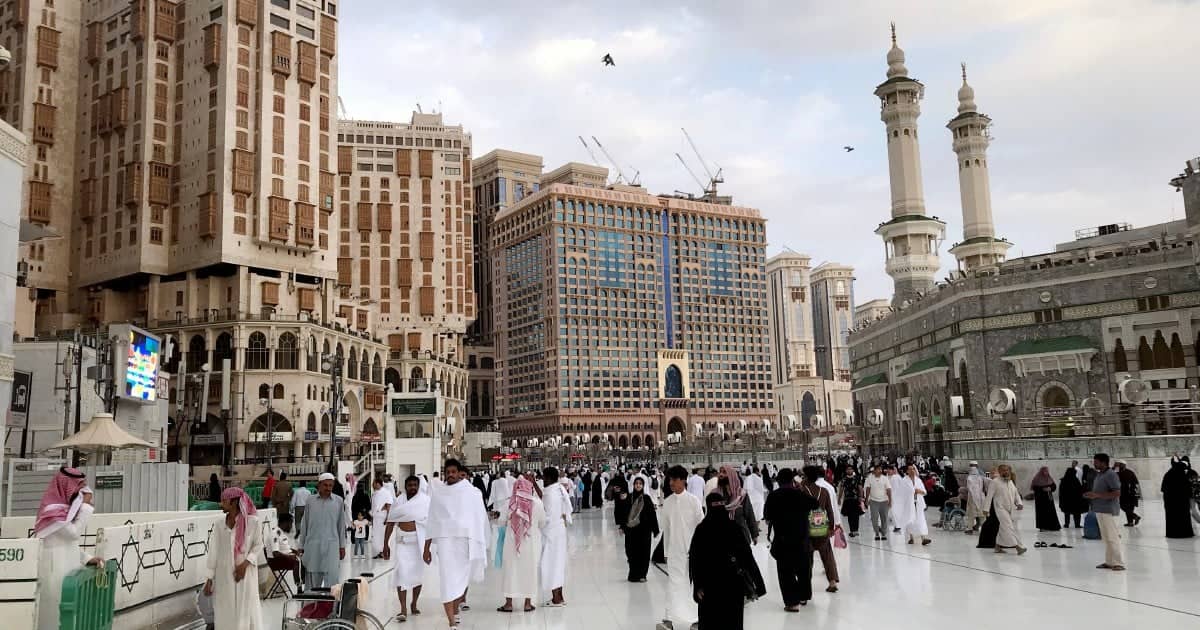
Makkah, the heart of Islam, offers many fascinating sites that are just a short drive away. One of the most visited is Jabal al-Nour, the Mountain of Light, which houses the Cave of Hira. It was here that Prophet Muhammad (peace be upon him) received the first revelation from Allah through Angel Jibreel. Climbing this mountain is not easy, but those who make the effort describe it as a deeply spiritual journey filled with reflection and gratitude.
Another significant site is Jabal Thawr, the mountain where the Prophet and his companion Abu Bakr (may Allah be pleased with him) took refuge during their migration to Madinah. The cave at the top is a powerful reminder of faith and trust in Allah during the most testing times. Visiting these places gives pilgrims a chance to visualize the challenges faced by the Prophet in spreading Islam.
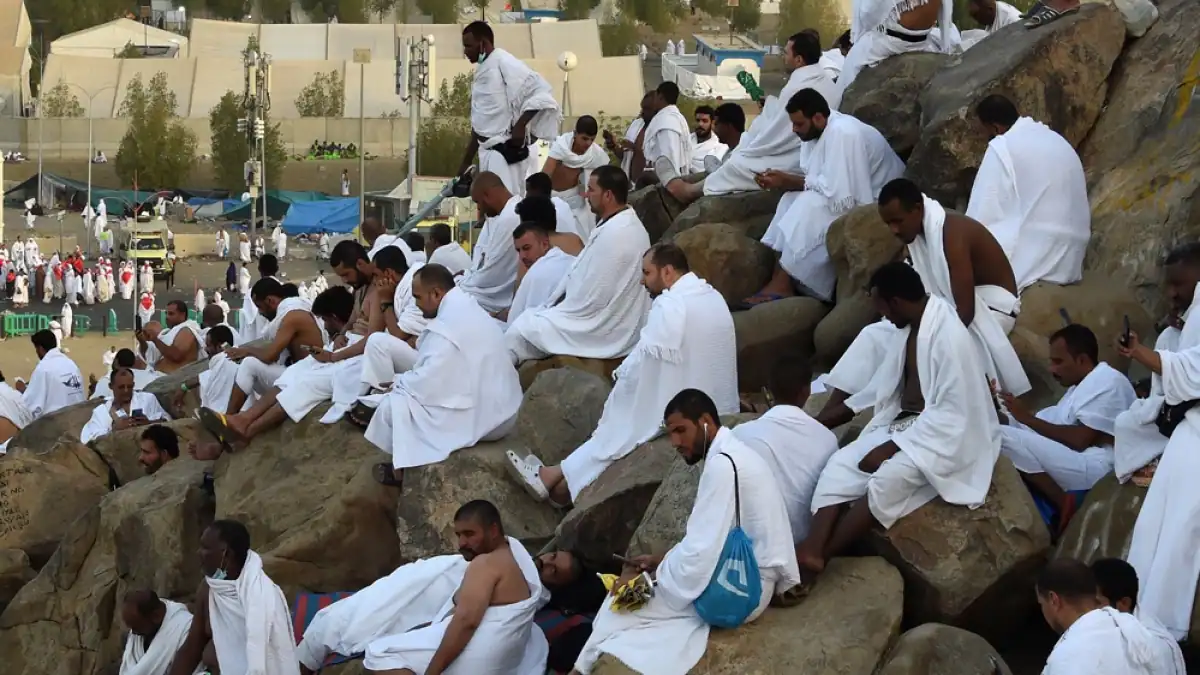
The Plain of Arafat, about 20 kilometers from Makkah, is another remarkable site that can be visited as a day trip. It is where millions of pilgrims gather during Hajj, but it remains accessible year-round for visitors who wish to reflect and pray. Standing on the plains, one can feel a profound sense of peace and remembrance.
Mina and Muzdalifah are also within easy reach from Makkah. These places are part of the Hajj journey but can also be visited outside of the pilgrimage season. Seeing the places where pilgrims stay during Hajj helps one appreciate the scale and unity of the global Muslim community. Many visitors find these trips spiritually rewarding even outside the official pilgrimage days.
Madinah, known as the city of the Prophet, has an equally rich landscape of Islamic history. One of the most popular destinations for day trips is Mount Uhud. It was the site of the famous Battle of Uhud, where many companions of the Prophet were martyred. Visiting the graves of the martyrs, especially Hamza ibn Abdul Muttalib, reminds Muslims of the sacrifices made for Islam. The mountain itself is said to love the Prophet, and the Prophet loved it in return.
Another must-visit place is Masjid Quba, the first mosque ever built in Islam. The Prophet Muhammad (peace be upon him) personally laid its foundation when he migrated from Makkah to Madinah. Offering two rakats of prayer in this mosque is said to hold immense reward. It is a peaceful and beautiful spot, and many pilgrims make sure to visit it whenever they are in Madinah.
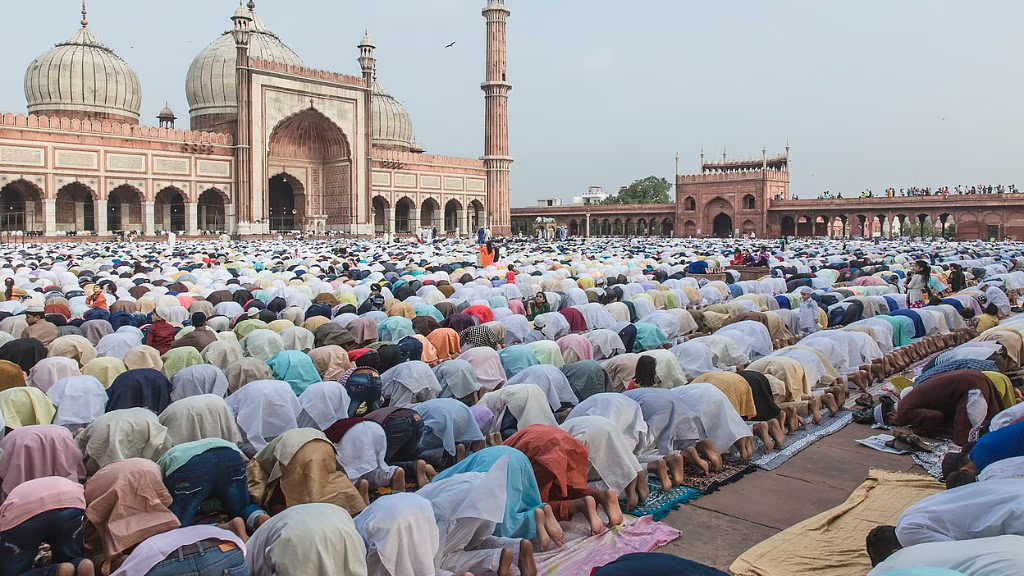
Madinah is home to several other important mosques that can be visited within a day. Masjid al-Qiblatain, the Mosque of the Two Qiblahs, is especially significant because it is where the direction of prayer was changed from Jerusalem to the Kaaba in Makkah. Visiting this mosque connects one to a turning point in Islamic history.
There are also the Seven Mosques (Sab’ah Masajid), a group of small mosques built near the site of the Battle of the Trench. Each mosque holds historical value, representing the places where the Prophet and his companions prayed and strategized during the battle. Visiting these sites gives a powerful sense of connection to the struggles and victories of early Islam.
Beyond spiritual and historical learning, day trips from Makkah and Madinah also offer a glimpse into Saudi Arabia’s culture and natural beauty. Many pilgrims who book Umrah Packages often extend their stay to experience these nearby attractions. The landscapes around the holy cities are diverse and fascinating, ranging from rocky mountains to vast deserts and lush palm groves. Observing how life flourishes in these environments helps travelers appreciate the resilience and hospitality of the people..
Visiting local markets, trying traditional foods, and interacting with residents also enhance the experience. Many pilgrims enjoy tasting Arabian dates, drinking fresh Zamzam water, and exploring shops that sell Islamic books, perfumes, and souvenirs. These small experiences make the trip memorable and personal.
Taking day trips from Makkah and Madinah offers multiple benefits. Spiritually, it helps deepen one’s understanding of Islam. Seeing the exact places where the Prophet prayed, preached, or faced hardships creates a stronger emotional connection to faith. It turns what one has learned into a living experience that stays in the heart forever.
Physically and mentally, day trips offer a refreshing change of environment. The peacefulness of the mountains and valleys allows pilgrims to relax after days of intense worship in the crowded holy sites. It becomes a moment of reflection, where one can sit quietly, make dua, and contemplate life’s purpose and blessings.

Day trips are also highly educational, especially for families traveling together. Parents often take their children to these sites to help them understand Islamic history in a more vivid and meaningful way. Seeing the actual locations where events took place can leave a lasting impression on young minds and inspire a deeper love for Islam.
For adults, it serves as a reminder of the challenges faced by the Prophet and his companions. The physical presence of these sacred places makes historical lessons come alive. It turns the pilgrimage into a journey of both worship and learning, combining faith with knowledge and understanding.
In recent years, the Saudi government has greatly improved infrastructure and transportation around the holy cities. Roads are well-maintained, and guided tours are easily available. Most day trips are conducted in air-conditioned vehicles with experienced drivers, ensuring comfort even during hot weather.
It is always recommended to go through licensed travel agencies or certified guides. They know the routes, timings, and regulations, which keeps the trip smooth and safe. Pilgrims can enjoy their visit without stress or confusion, focusing instead on the spiritual and educational experience.
The best time for day trips depends on weather and personal schedule. Early morning trips are often preferred because of cooler temperatures and quieter surroundings. Many pilgrims choose to go after Fajr prayers and return by midday, allowing them to rest and prepare for other prayers.
Those staying longer in Makkah or Madinah can plan multiple day trips spread out over their visit. Some prefer to explore all major sites in one day, while others like to take shorter trips over several days. The flexibility of these tours allows each traveler to design their journey according to comfort and energy levels.
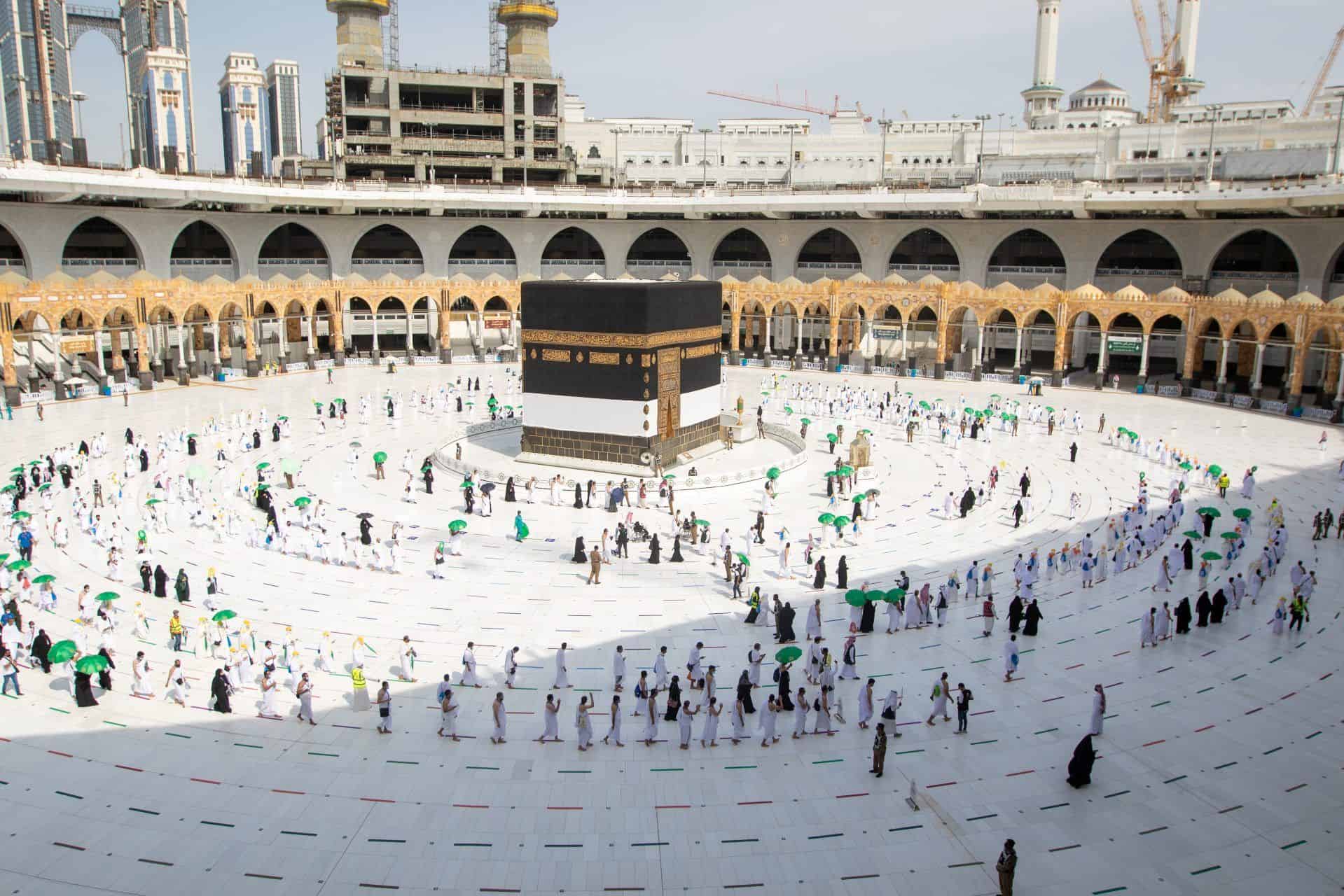
To make the most of your day trip, it is helpful to plan ahead. Research the places you want to visit and their religious significance. Carry essentials like water, sunscreen, a prayer mat, and snacks, especially if traveling with family or elderly companions. Wearing comfortable shoes is important since some sites involve walking or mild climbing.
Booking through reliable agencies or hotel tour desks ensures professional service and safety. Many Umrah Travel Agents in the UK collaborate with local guides in Saudi Arabia to provide seamless arrangements. This coordination makes it easy for pilgrims to include day trips as part of their Umrah journey.
While visiting these sites, it is essential to maintain respect and humility. Remember that these are places of great historical and spiritual importance. Avoid unnecessary noise, take time to reflect, and perform prayers or dhikr wherever appropriate. The purpose is to connect with the past and strengthen one’s relationship with Allah through remembrance and gratitude.
Photography is allowed in most locations, but it should be done modestly and without disturbing others. Many travelers like to keep a small journal or take notes about what they felt and learned during each visit. Reflecting on these experiences later helps preserve the spiritual impact of the journey.
Many pilgrims describe these trips as deeply moving experiences. Standing where the Prophet once stood, seeing the battlefields where companions fought, or praying in the first mosque of Islam often brings tears and renewed faith. It helps one realize the depth of sacrifice, patience, and devotion that built the foundation of Islam.
For some, it becomes a turning point in their spiritual journey. The sights, stories, and prayers create a connection that words cannot fully express. Even after returning home, the memories of these places continue to inspire good deeds and stronger faith.
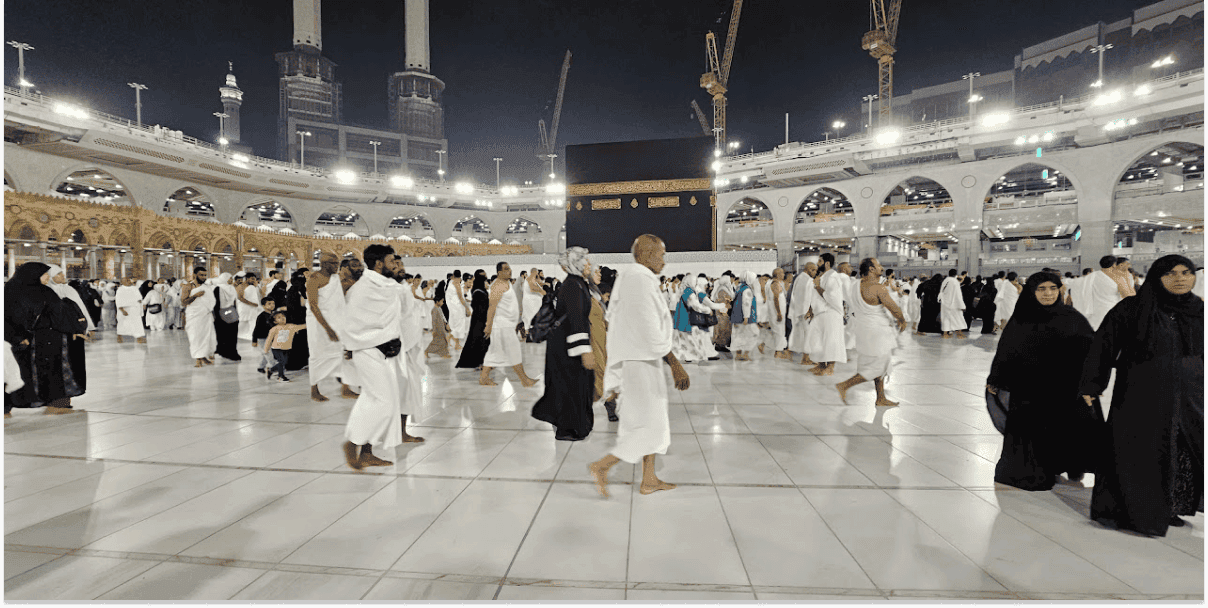
Whether a day trip is worth it depends on personal expectations, but for most pilgrims, the answer is yes. It offers an opportunity to learn, reflect, and connect more deeply with Islamic history. Beyond worship, it adds context and meaning to the rituals of Umrah, making the overall experience more complete.
Even for those who prefer rest and quiet time, taking at least one short trip can be refreshing and inspiring. Seeing the natural beauty and historical landmarks around Makkah and Madinah reminds believers of Allah’s greatness and the rich heritage of their faith.
While day trips are rewarding, it is important to balance them with acts of worship. The main purpose of visiting Makkah and Madinah remains devotion, prayer, and connection with Allah. Pilgrims should plan trips in a way that does not interfere with obligatory prayers or rest needed for worship.
A good approach is to dedicate specific days for exploration and keep the rest for worship in the Haramain. This balance ensures that the trip remains spiritually fulfilling without becoming overwhelming or tiring.
The lessons learned during these visits often stay with pilgrims for a lifetime. They remind one of the power of faith, the importance of patience, and the value of community. Seeing the actual locations where Islamic history unfolded makes one appreciate the blessings of Islam even more deeply.
Every mountain, mosque, and plain carries stories that teach humility and gratitude. These experiences inspire believers to live better lives, strengthen their connection with Allah, and spread kindness and understanding wherever they go.
Day trips from Madinah and Makkah are absolutely worth it for those who seek to deepen their understanding of Islam and connect more closely with its history. They provide spiritual enrichment, historical insight, and moments of peace away from the busy routines of travel.
Exploring the places where the Prophet lived, prayed, and preached turns the pilgrimage into a complete experience of faith, knowledge, and reflection. Whether it’s climbing Jabal al-Nour, visiting Mount Uhud, or praying in Masjid Quba, each visit leaves a lasting mark on the heart. For pilgrims and travelers alike, these day trips are not just about seeing new places — they are about rediscovering the timeless beauty of faith itself.
Our curated content will ensure you’re well–prepared and inspired every step of the way.