Day Trips From Madinah & Makkah: Is It Worth It?
October 6, 2025 No Comments
When most people travel to Saudi Arabia for Hajj or Umrah, their focus is naturally…

Home / 3 Perfect Days in Madinah: Masjid an-Nabawi to Quba & Qiblatain
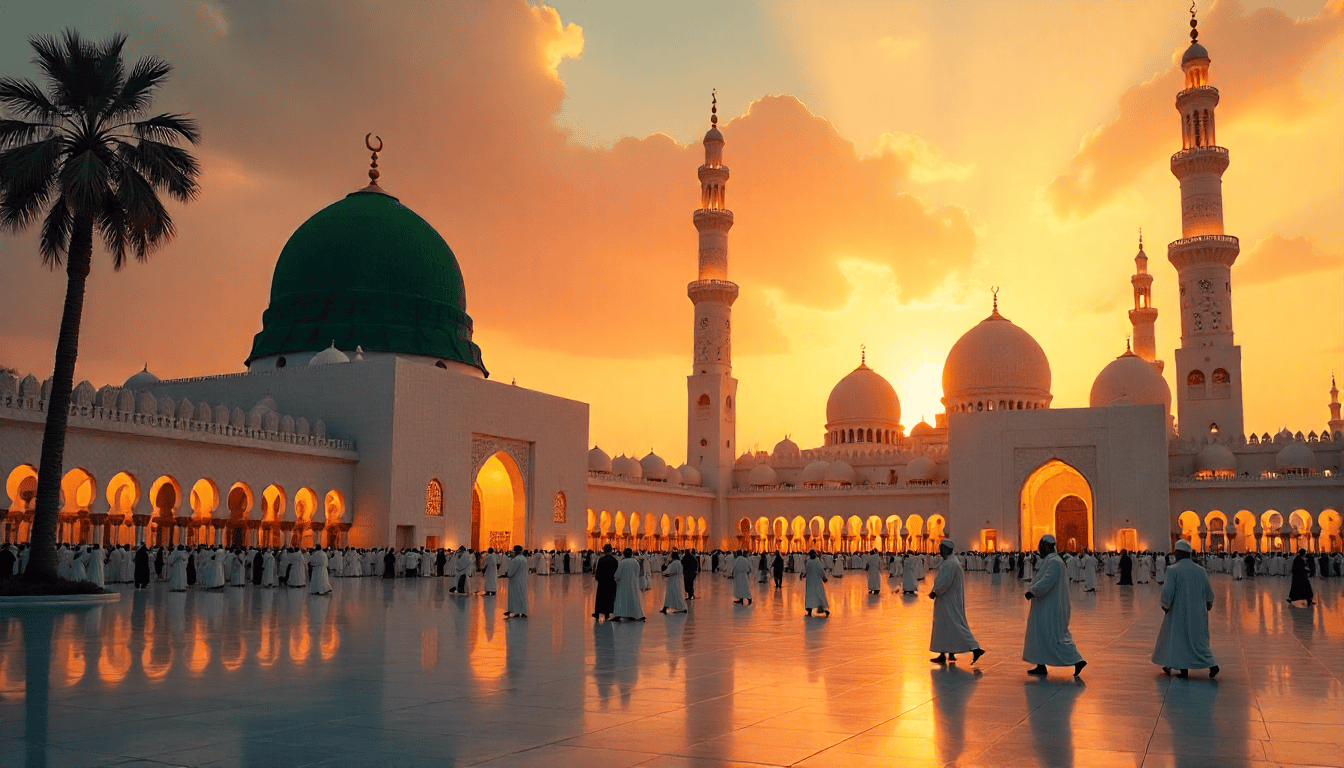
Madinah is a city that holds a unique place in the hearts of millions of Muslims across the world. Known as the City of the Prophet, it was here that Prophet Muhammad (peace be upon him) established the first Islamic state, taught his companions, and left behind a spiritual legacy that continues to inspire believers. A visit to Madinah is not just a journey through a city, but a journey through history, faith, and reflection.
For pilgrims who travel for Hajj or Umrah, spending time in Madinah is a blessing that enhances their spiritual experience. Unlike the hustle of Makkah, Madinah provides a calm and peaceful atmosphere where one can focus on prayer, reflection, and visiting places that shaped Islamic history. Three days in Madinah may seem short, but with the right plan, especially when choosing from October Umrah Packages, you can make the most of your visit and experience the city in a way that leaves lasting memories.
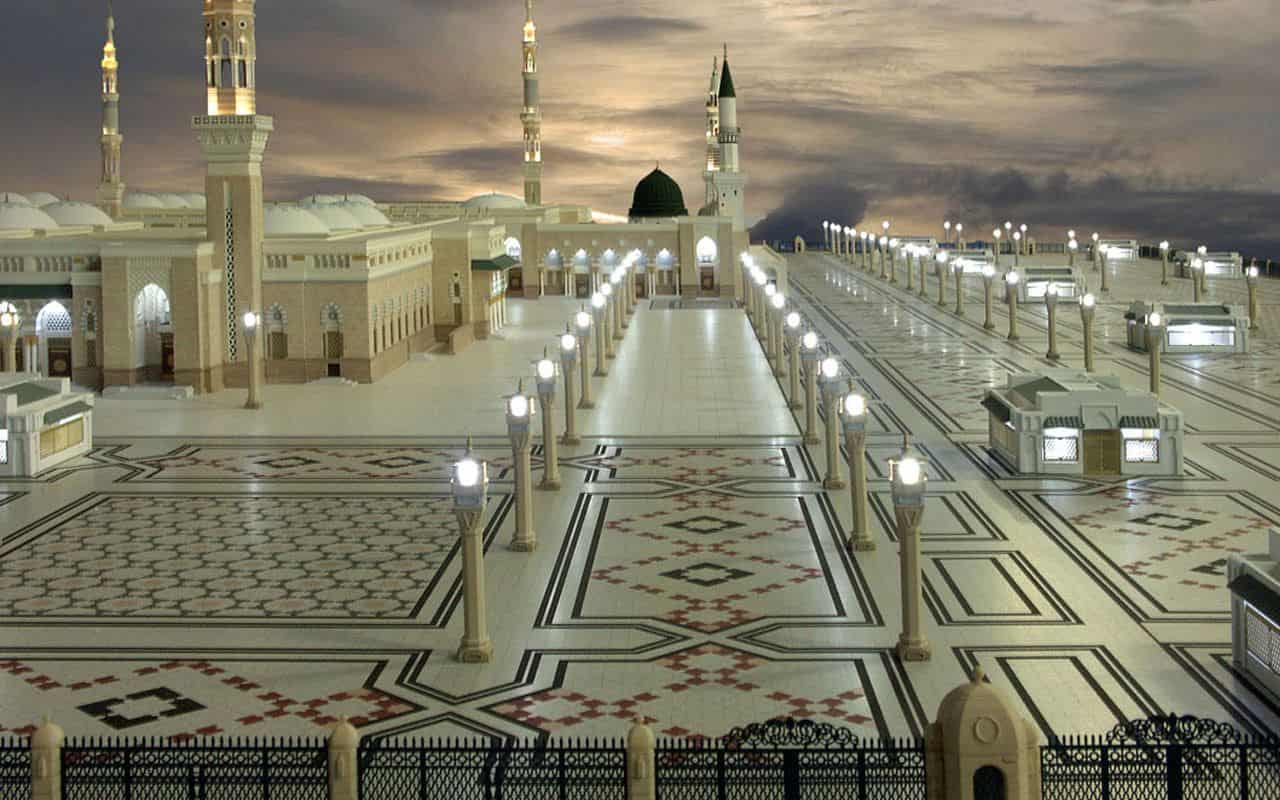
Three days in Madinah are enough to cover the most important religious, historical, and cultural landmarks. While the highlight of the visit will always remain Masjid an-Nabawi, the city offers much more. From Quba Mosque, the first mosque in Islam, to Qiblatain Mosque, where the direction of prayer was changed, every place carries deep significance.
These days also give you the chance to explore the atmosphere of Madinah itself. Walking through the peaceful streets, meeting people from across the globe, and feeling the sense of unity that the city brings, all add to the experience. Three days provide balance: enough time to pray, learn, reflect, and explore without feeling rushed.
Masjid an-Nabawi is the heart of Madinah. Built by the Prophet Muhammad (peace be upon him) after his migration from Makkah, it is now the second holiest mosque in Islam. The mosque is not only a place of prayer but also a center of learning, history, and connection with the Prophet. The Rawdah, an area between the Prophet’s house and his pulpit, is described as a garden from the gardens of Paradise, making it a deeply special place for worshippers.
Spending time in Masjid an-Nabawi allows you to perform multiple prayers in congregation, experience the serenity of the mosque’s courtyard, and reflect on its history. Visiting the Prophet’s resting place and sending peace and blessings upon him is a moment that pilgrims cherish for a lifetime. The spiritual value of the mosque alone can fill all three days, but its central role makes it the starting point of your journey.
While Masjid an-Nabawi is the central focus, Madinah is home to several mosques that played important roles in Islamic history. Visiting them allows you to connect more deeply with the Prophet’s life and the early Muslim community. Each mosque tells a story that reflects the challenges, victories, and lessons of the Prophet’s time.
The Quba Mosque, for example, was the first mosque ever built in Islam. Praying two rak‘ahs here is said to equal the reward of one Umrah. The Qiblatain Mosque, where the qiblah was changed from Jerusalem to Makkah, symbolizes the unity of Muslims in their direction of worship. Together, these visits help pilgrims gain not just knowledge, but also spiritual reward.
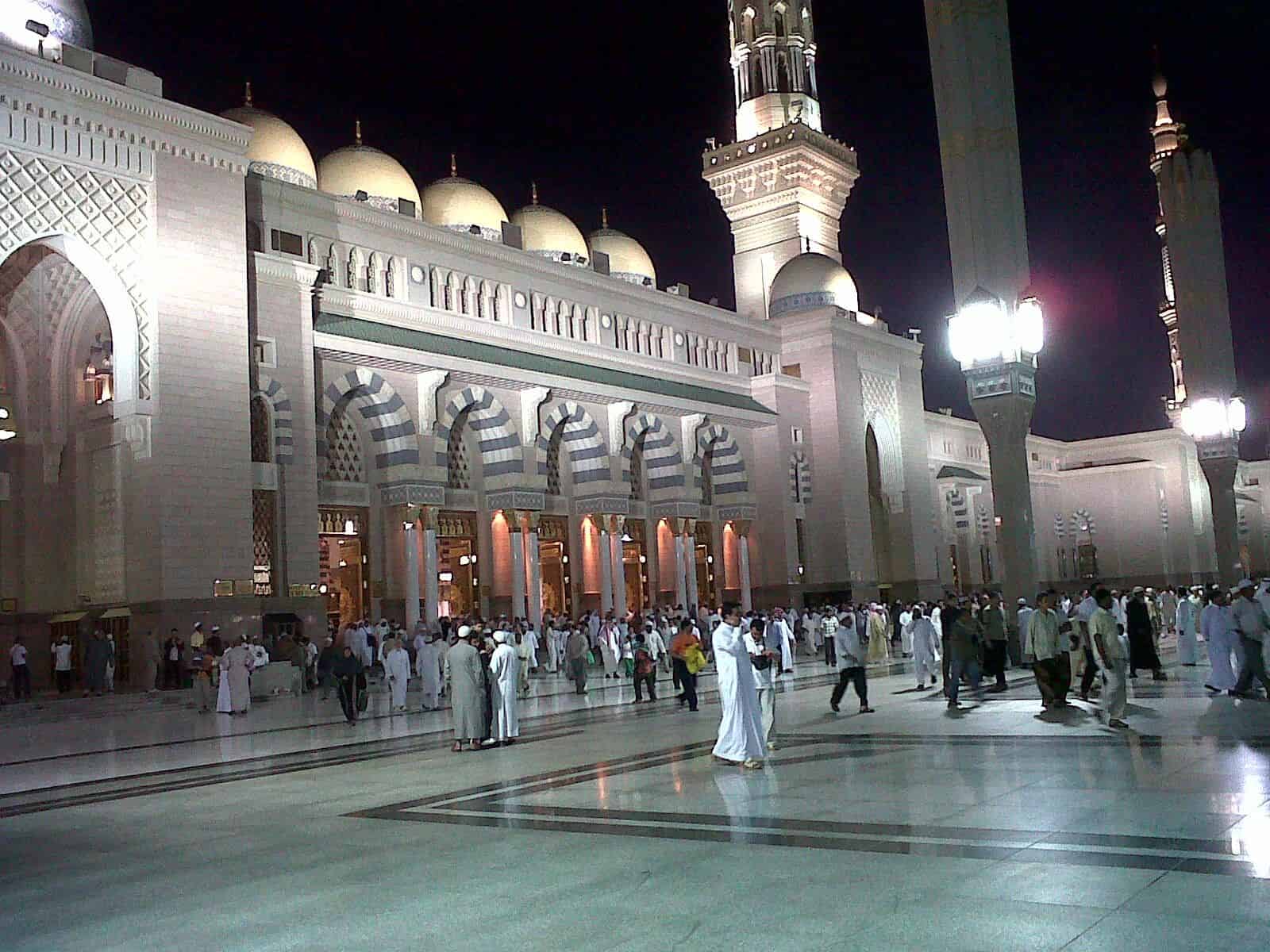
Your first day in Madinah should begin at Masjid an-Nabawi. It is best to arrive early, especially for Fajr prayer, so that you can experience the peaceful start of the day within the mosque. After prayer, you can spend time in reflection or recitation of the Qur’an, making use of the calm environment that many travelers seek when booking Umrah Packages for a spiritually enriching journey.
Later in the day, you can explore the mosque in more detail. The Rawdah, though often crowded, is a must-visit. You can also take time to visit the area near the Prophet’s resting place and greet him. The rest of the day can be spent staying close to the mosque, offering prayers, and simply absorbing the unique atmosphere of the city.
The first day should also be about adjusting to the rhythm of Madinah. Unlike other cities, the pace here is guided by the prayer times. This gives you a natural structure to your day. Between prayers, you can rest, read, or meet other visitors from different parts of the world. The spiritual energy of Masjid an-Nabawi creates an environment where even silence feels meaningful.
Evenings in Madinah are particularly calm. After Isha prayer, you can take a walk around the mosque, visit nearby shops for Islamic books or prayer items, or simply enjoy the sight of pilgrims gathered in peace. The first day sets the tone for your journey, grounding you in prayer and reflection.
The second day can be dedicated to visiting other important mosques in the city. Quba Mosque should be at the top of your list. Located about three kilometers from Masjid an-Nabawi, it is easily accessible by transport. Offering prayer here carries immense reward, and the mosque itself has a simple yet peaceful design that reflects its historical significance.
Next, you can visit the Qiblatain Mosque. This mosque is special because it marks the moment when Allah commanded Muslims to change the direction of prayer from Jerusalem to Makkah. The mosque today is a symbol of unity and obedience to divine command, making it a meaningful place to reflect on the importance of direction in both worship and life.
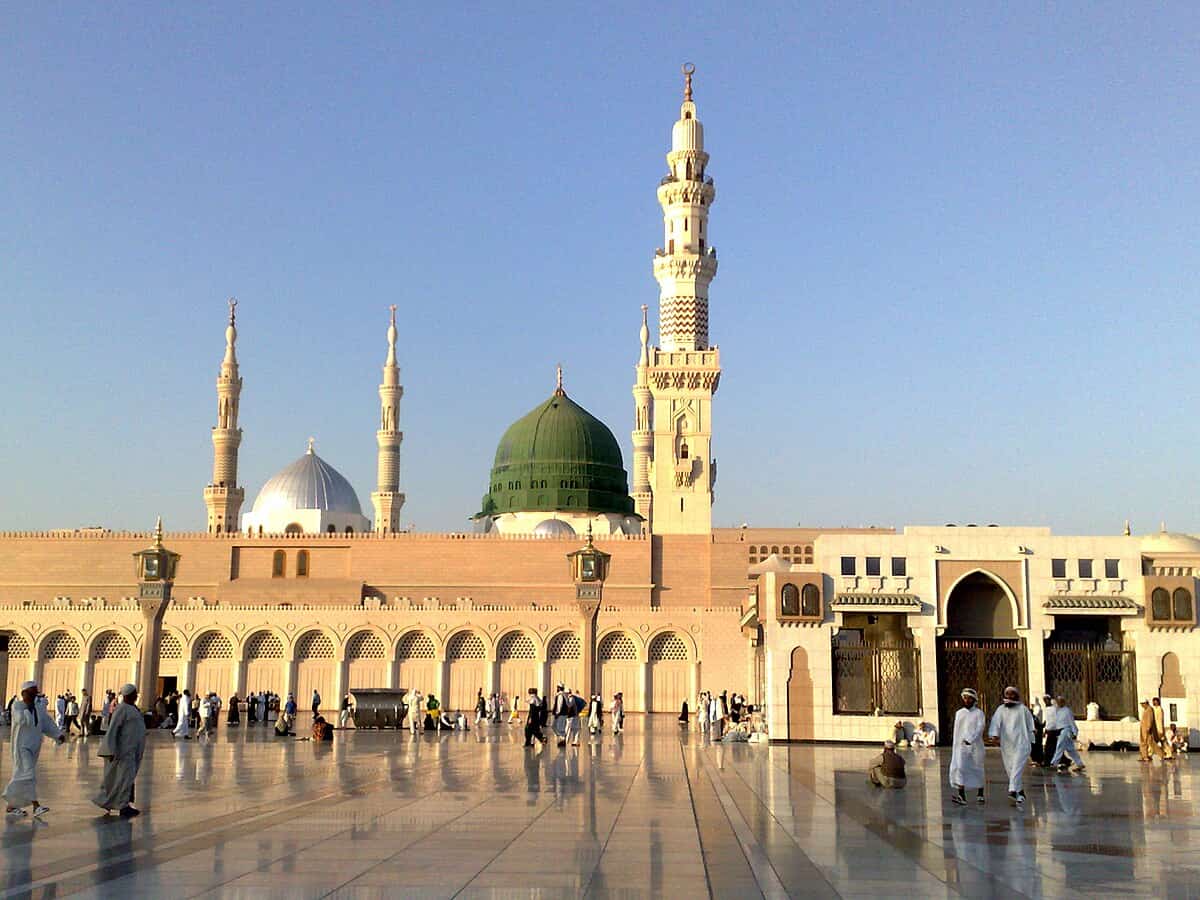
Each mosque you visit connects you to the early days of Islam. Quba represents beginnings and the foundation of the Muslim community. Qiblatain represents transformation and unity. Together, they remind pilgrims that faith is a journey marked by milestones of learning and change.
Visiting these mosques also deepens one’s understanding of the Prophet’s life. He prayed in these places, guided his companions, and built the community that would carry Islam forward. Standing in the same places where history was made brings a sense of closeness that books alone cannot provide.
Your final day in Madinah can focus on exploring other historical and cultural landmarks. One important place to visit is the Uhud Mountain, the site of the Battle of Uhud. Here, you can pay respects at the graves of the martyrs and reflect on the lessons of sacrifice and perseverance. The story of Uhud reminds visitors of the importance of faith, even in the face of hardship.
You can also visit Masjid al-Ghamama, where the Prophet is said to have offered prayers for rain. This mosque, along with other smaller ones around the city, gives insight into the daily life of the Prophet and his companions. Each visit adds a new layer of understanding to your journey.
Spending three days in Madinah is not just about visiting sites; it is about inner reflection. The city offers you a chance to disconnect from the rush of life and focus on your spiritual well-being. By following in the footsteps of the Prophet, you learn lessons of patience, humility, and devotion.
These reflections are important because they stay with you long after you leave. Madinah has a way of calming the heart and reminding you of what truly matters. Even three days can change your outlook, making your worship more focused and your life more centered on faith.
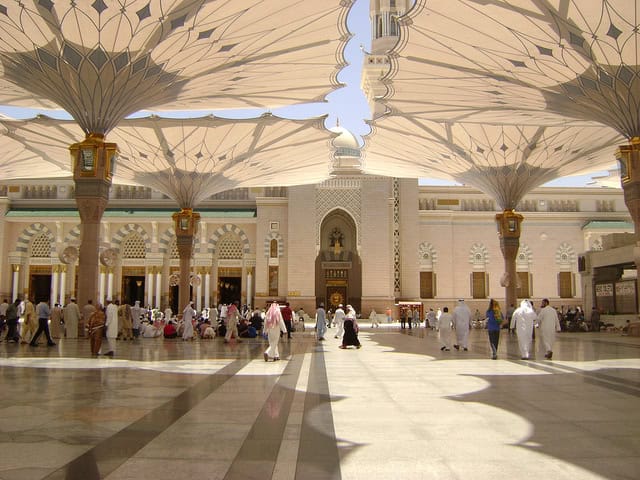
To make the most of three days in Madinah, planning is essential. Knowing prayer times, mosque visiting hours, and transportation options will help you avoid stress. It is also helpful to stay in accommodation close to Masjid an-Nabawi so you can easily attend prayers.
Planning ahead also ensures that you do not miss out on key sites. With limited time, having a clear schedule allows you to balance prayer, rest, and visits to historical locations. This way, you can return home with a sense of fulfillment, knowing you made the most of your visit.
Visiting Madinah has many benefits beyond spiritual growth. It connects you to history, allows you to meet Muslims from different cultures, and gives you a chance to step into a community of peace. The city teaches lessons of unity, as pilgrims from across the world gather in the same mosques, pray together, and share the same love for the Prophet, often guided by Umrah Travel Agents who help them plan a meaningful journey.
Madinah also offers practical benefits. The calm environment allows for rest after the physically demanding Umrah or Hajj rituals. It gives pilgrims time to recharge, both physically and spiritually, before returning home. These benefits make Madinah a city that people long to return to again and again.
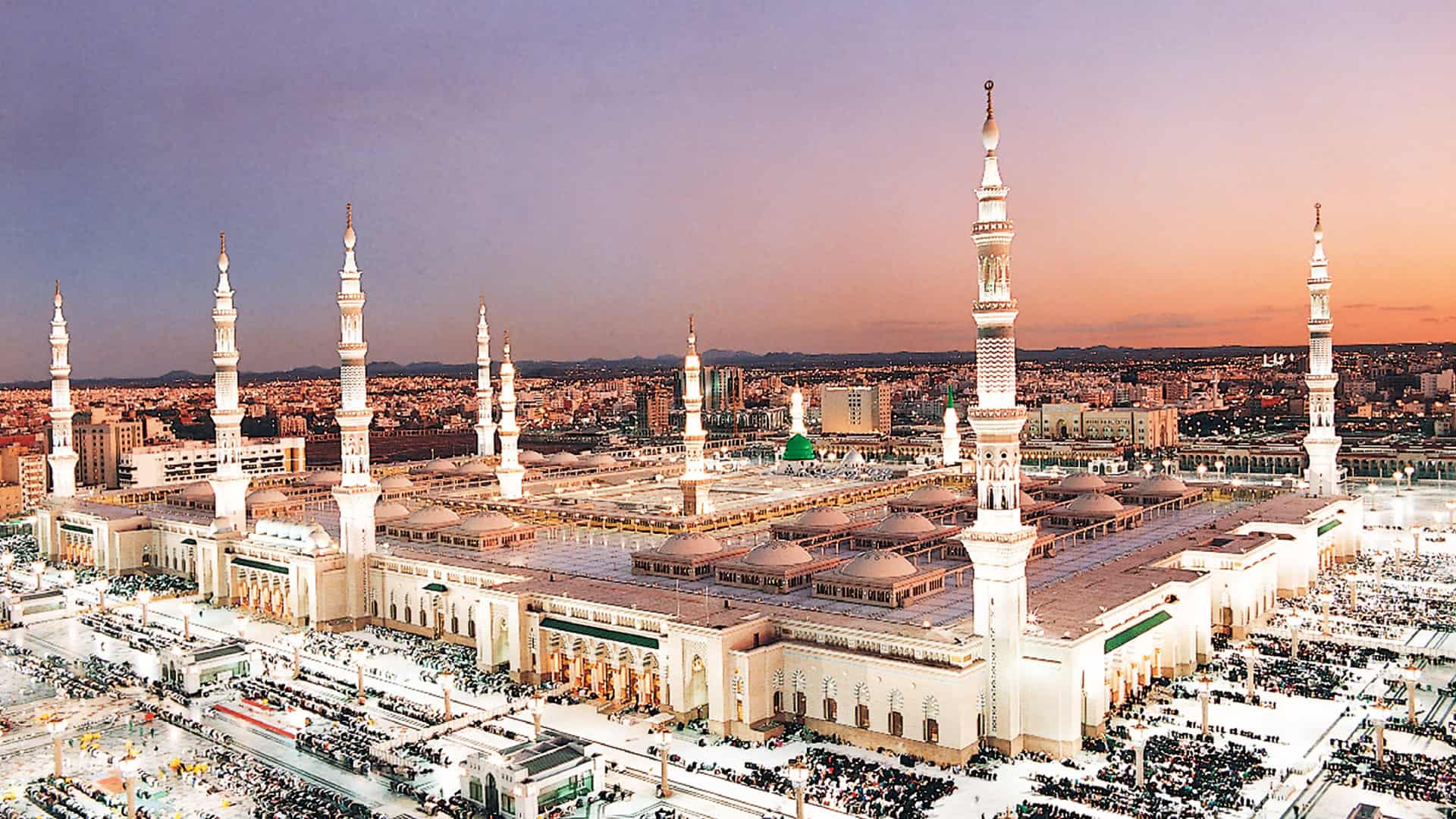
Three days may not seem long, but in Madinah, time feels different. Each prayer, each visit, and each reflection carries weight. A short stay, if used well, can bring immense reward and satisfaction. The key is to focus on what truly matters: prayer, reflection, and connection with the Prophet’s legacy.
Even after leaving, the memories of Madinah stay with you. The sight of Masjid an-Nabawi, the calmness of its courtyard, and the lessons of its history all remain etched in the heart. This makes three days in Madinah more than enough to create a lifelong connection.
Spending three perfect days in Madinah allows you to experience the essence of the city. From the peace of Masjid an-Nabawi to the history of Quba and Qiblatain, and from the lessons of Uhud to the calmness of daily life in the city, every moment carries meaning. Madinah is not just a destination but a source of spiritual renewal.
By planning well, focusing on prayer, and visiting the most important landmarks, you can make the most of a short stay. The city will leave you with memories, lessons, and a deep sense of peace that will guide your journey long after you leave.
Our curated content will ensure you’re well–prepared and inspired every step of the way.