How 5-Star Umrah Packages Elevate the Pilgrimage Experience?
January 29, 2026 No Comments
Undertaking a pilgrimage such as Umrah is a profoundly spiritual endeavor. However, for those who…

Home / Ziyarat in Madinah: Historical Spots With Short Contex
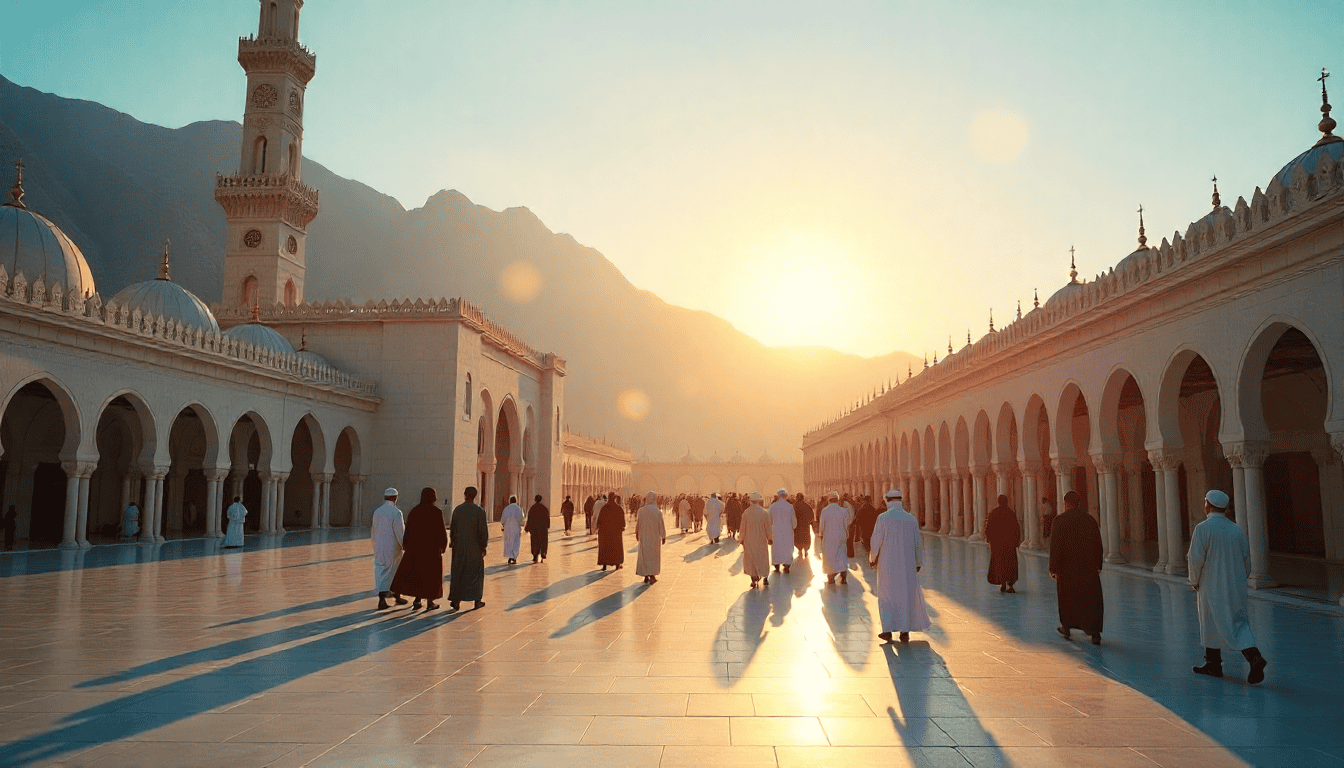
Madinah holds a unique place in the hearts of Muslims around the world. It is the blessed city where the Prophet Muhammad (peace be upon him) migrated and where his mosque, Masjid an-Nabawi, continues to welcome millions of visitors every year. For pilgrims performing Umrah or Hajj, ziyarat in Madinah is an essential part of the journey, as it connects them directly with the historical and spiritual heritage of Islam.
Ziyarat refers to visiting important religious and historical places with respect and devotion. In Madinah, ziyarat allows pilgrims to reflect on the lives of the Prophet, his companions, and the events that shaped Islamic history. Many pilgrims who book 3 Star Umrah Packages also include ziyarat in their itinerary, as every site tells a story and each visit offers valuable lessons of faith, sacrifice, and unity.
Ziyarat in Madinah is not a ritual obligation but a recommended act of devotion. It deepens the spiritual experience of the pilgrim by providing context to the struggles and sacrifices made during the early years of Islam. Visiting these sites also strengthens the emotional bond between the pilgrim and the Prophet Muhammad (peace be upon him) and his companions.
For many, ziyarat serves as an educational journey. By seeing the actual places where historic events unfolded, pilgrims can better appreciate the roots of their faith. It transforms abstract knowledge from books into real, lived experiences that leave lasting impressions on the heart and mind.
One of the greatest benefits of ziyarat is gaining inspiration from the lives of those who came before us. The Prophet’s teachings and the sacrifices of his companions are reminders of the values of patience, dedication, and trust in Allah. Standing in the same places they once stood makes these lessons feel alive.
Ziyarat also provides a sense of unity. Pilgrims from around the world gather in these spots, reflecting together on the same history and sharing the same love for the Prophet. This collective experience reinforces the idea of brotherhood and sisterhood in Islam, crossing cultural and geographical boundaries.
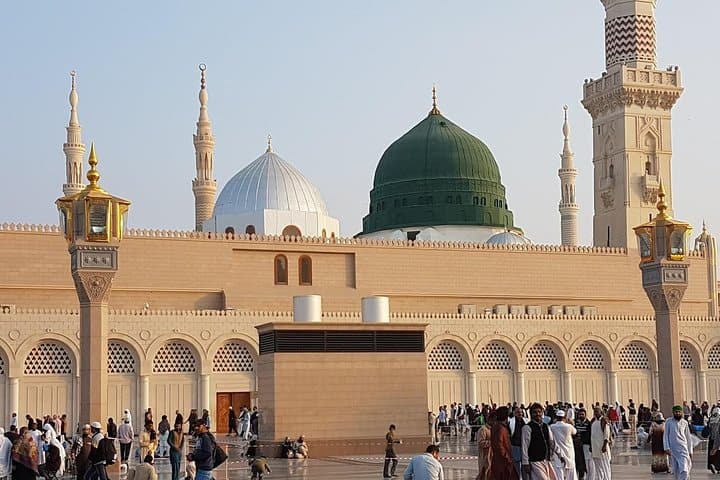
Masjid an-Nabawi is the heart of Madinah and the most visited place after the Kaaba in Makkah. It was originally built by the Prophet Muhammad (peace be upon him) himself and expanded over centuries to become one of the largest mosques in the world. Inside it lies the Rawdah, described as one of the gardens of Paradise.
Visiting Masjid an-Nabawi is an experience that touches every pilgrim deeply. Praying in this mosque holds great spiritual rewards, and the opportunity to send greetings directly to the Prophet is a moment of immense significance for Muslims.
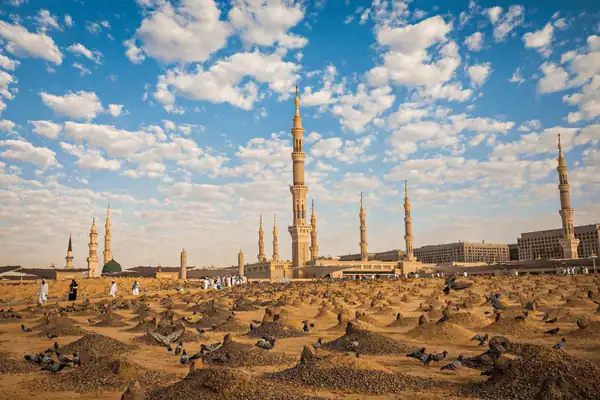
Jannat al-Baqi is the cemetery of Madinah and the resting place of many of the Prophet’s family members, companions, and prominent figures of early Islam. Among those buried here are wives of the Prophet, his daughters, and several of his companions who played vital roles in spreading Islam.
Visiting Jannat al-Baqi serves as a powerful reminder of mortality and the transient nature of life. It encourages humility and reflection, inspiring pilgrims to focus on preparing for the hereafter by following the path of righteousness.
Masjid Quba holds the honor of being the first mosque built in Islam. The Prophet Muhammad (peace be upon him) laid its foundation upon his arrival in Madinah after migration from Makkah. It is mentioned in the Qur’an as a mosque built on piety and sincerity.
Praying in Masjid Quba carries special blessings. The Prophet encouraged Muslims to visit and pray in it, promising the reward of an accepted Umrah for those who perform two rak’ahs of prayer in this blessed mosque.
Masjid Qiblatain, the mosque of the two qiblahs, is another key stop during ziyarat. It is the place where the direction of prayer was changed from Jerusalem to the Kaaba in Makkah. Many Umrah Travel Agents highlight this historic mosque in their packages, as the event marked a turning point in Islamic practice and identity.
Visiting this mosque allows pilgrims to connect with the moment when the Muslim community was given its distinct direction. It stands as a reminder of obedience and the unity of Muslims under one qiblah.
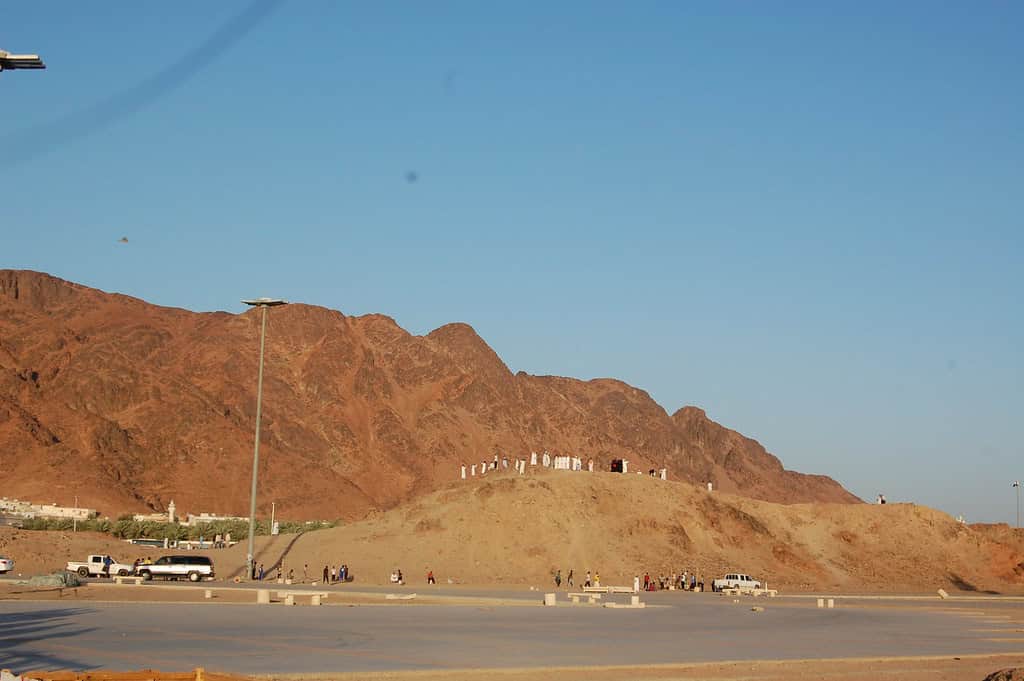
The site of the Battle of Uhud is a must-visit for pilgrims. It was the location of a critical battle between the Muslims of Madinah and the Quraysh of Makkah. Though the Muslims faced hardship and loss, including the martyrdom of Hamza ibn Abdul-Muttalib, the lessons from this battle remain important for all Muslims.
Standing at Uhud, pilgrims are reminded of sacrifice, bravery, and the importance of remaining steadfast in faith even during trials. The mountain itself, which the Prophet described as a mountain that loves us and is loved by us, is a powerful symbol of resilience.
Near the battle site lies the resting place of the martyrs of Uhud. Among them is Hamza ibn Abdul-Muttalib, the beloved uncle of the Prophet, remembered as the Lion of Islam. Visiting their graves is a moment to honor their sacrifices for the sake of the faith.
The martyrs of Uhud inspire pilgrims to reflect on courage and loyalty. Their willingness to give their lives for Islam encourages believers today to live with commitment, integrity, and love for their religion.
Masjid al-Ghamama is a small mosque located near Masjid an-Nabawi. It is historically significant as the place where the Prophet Muhammad (peace be upon him) performed the Eid prayer and other special congregational prayers. Its name, which means cloud, comes from the tradition that a cloud provided shade to the Prophet during one of his prayers here.
Though smaller in size, the mosque carries deep historical and spiritual value. Pilgrims often include it in their ziyarat tour as a way of connecting with the simple and humble beginnings of Islamic rituals in Madinah.
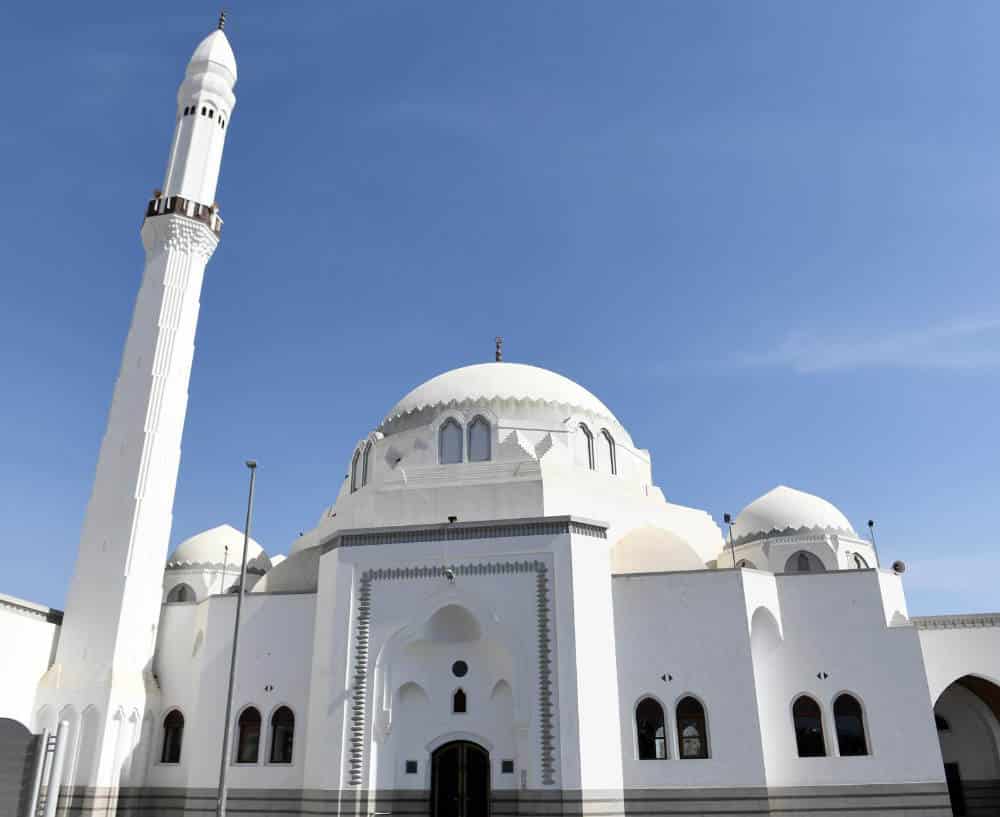
Masjid al-Jumaa is the mosque where the Prophet Muhammad (peace be upon him) is said to have led his first Friday prayer after migration. Located on the route between Quba and Madinah, it commemorates the establishment of the weekly congregational prayer in Islam.
Visiting Masjid al-Jumaa helps pilgrims appreciate the significance of Jumu’ah, which continues to hold a central place in Muslim life today. It highlights the Prophet’s efforts in building not only a community of worshippers but also a society based on faith and unity.
Madinah is also home to wells with historical connections. One of the most famous is Bir Uthman, associated with Caliph Uthman ibn Affan. He purchased it and made it free for Muslims when water was scarce, showing his generosity and dedication to the community.
Visiting these wells reminds pilgrims of the spirit of charity and service to others. They stand as examples of how acts of kindness can leave a lasting legacy that benefits generations to come.
Ziyarat in Madinah does more than provide a historical lesson. It strengthens the heart of the believer by making the teachings of Islam more vivid and real. Walking through these sites gives a sense of continuity, linking the past with the present and the future.
Each ziyarat experience helps pilgrims renew their intentions and commitments. The lessons drawn from the lives of the Prophet and his companions serve as guidance in navigating the challenges of today’s world with patience, gratitude, and perseverance.
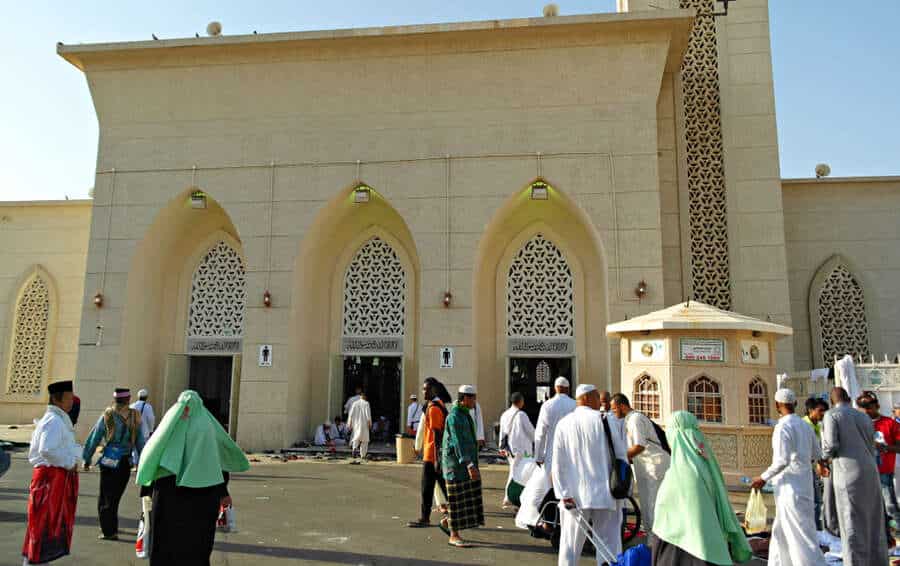
Pilgrims from different cultures, languages, and backgrounds come together in Madinah for ziyarat. Despite their diversity, they share the same purpose: honoring the Prophet and connecting with Islamic history. This creates a powerful sense of unity among Muslims.
The shared experience of visiting the same places and learning the same lessons fosters stronger bonds of brotherhood and sisterhood. Ziyarat thus becomes a living expression of the global unity that Islam promotes.
While ziyarat is deeply spiritual, it also requires planning. Pilgrims should familiarize themselves with the locations, arrange reliable transport, and allocate enough time for each visit. Many travel agencies now include ziyarat in their Umrah Packages, making it easier for pilgrims to cover the most important spots with proper guidance and convenience.
Comfortable clothing, hydration, and patience are important during ziyarat, especially as the weather in Madinah can be hot. Being respectful, keeping the focus on prayer and reflection, and avoiding unnecessary distractions enhance the overall experience.
Every historical spot in Madinah carries a short but powerful context. Masjid Quba symbolizes the beginning of Islamic worship in the city. Masjid Qiblatain reminds Muslims of their unique direction of prayer. The Battle of Uhud site teaches resilience in times of loss. Jannat al-Baqi connects believers to the legacy of the Prophet’s family and companions.
These short contexts, when remembered, give deeper meaning to the ziyarat journey. They turn each visit into a lesson that stays with the pilgrim long after leaving Madinah.
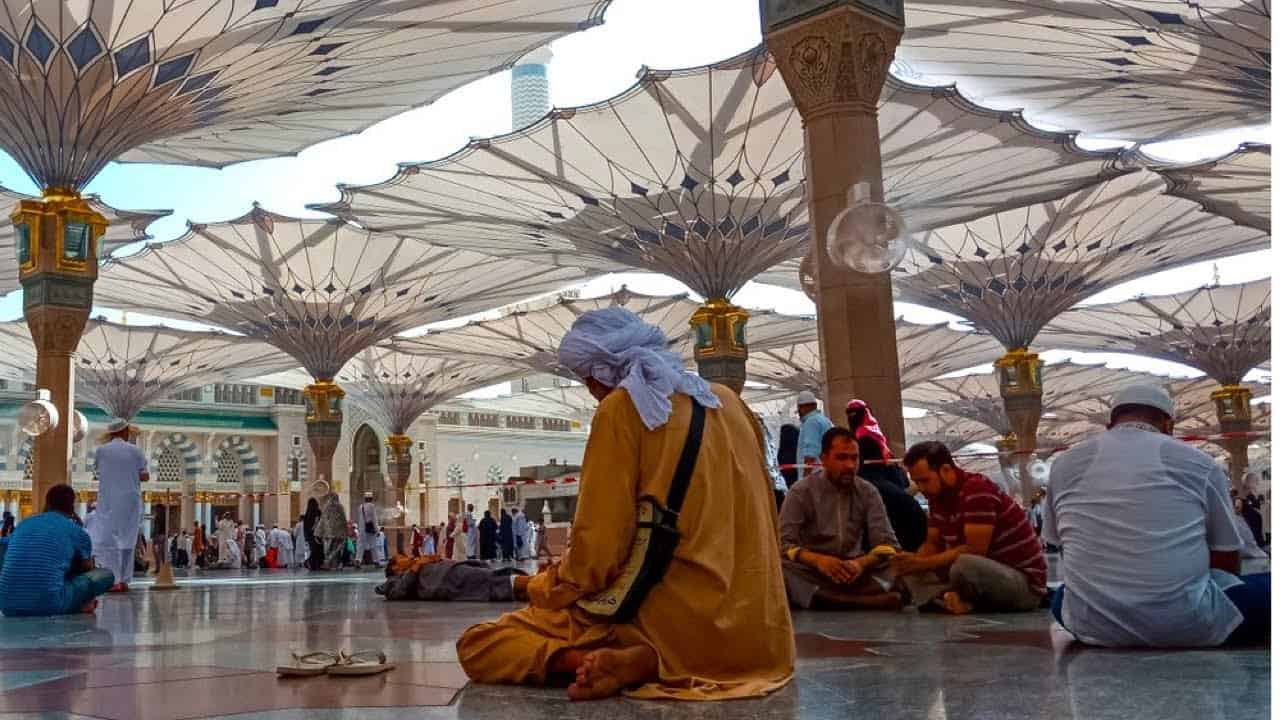
For many pilgrims, ziyarat in Madinah becomes one of the most cherished parts of their lives. The memories of standing in front of Masjid an-Nabawi, praying in Masjid Quba, or reflecting at Uhud are experiences that continue to inspire faith even years later.
These memories also motivate Muslims to return to Madinah again and again. Each ziyarat brings new lessons, deeper reflection, and greater love for the Prophet and his companions.
Ziyarat in Madinah is a journey through history, spirituality, and unity. From the peaceful Masjid Quba to the powerful site of Uhud, every location has lessons to teach and inspiration to offer. It transforms a pilgrimage into a meaningful exploration of faith, sacrifice, and devotion.
Even though ziyarat is not an obligation, it is a blessing that enriches the pilgrimage experience. With each step taken in these sacred places, pilgrims strengthen their connection to the Prophet, his companions, and the message of Islam. It is a journey that leaves lasting impressions, guiding believers to live with greater purpose and deeper faith.
Our curated content will ensure you’re well–prepared and inspired every step of the way.