Weather-Proofing Your Umrah: Rain Plans & Heat Plans
October 10, 2025 No Comments
Performing Umrah is one of the most spiritually uplifting journeys a Muslim can experience. Every…

Home / 8 Common Misconceptions About Umrah
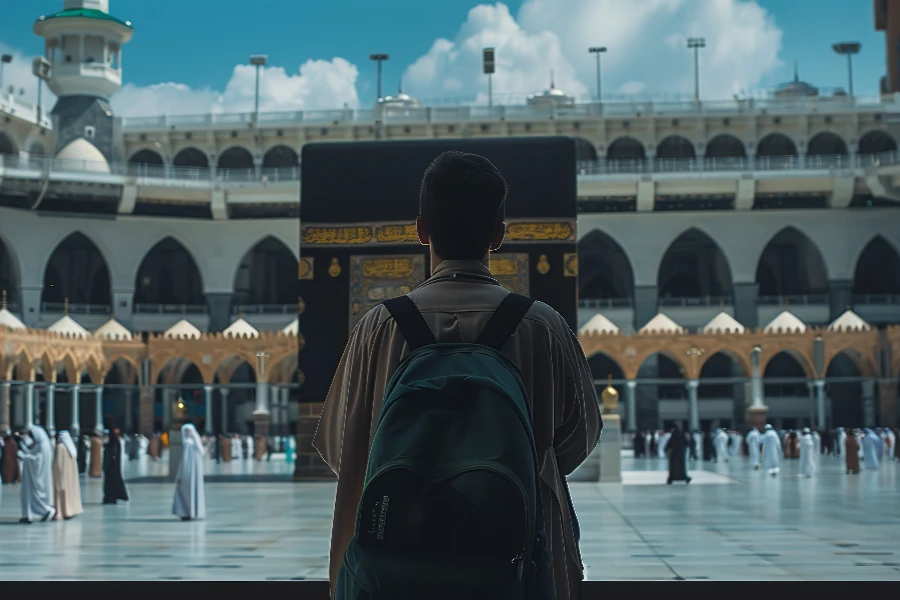
For a journey meant to be simple, Umrah is often surrounded by unnecessary confusion. Over the years, I’ve noticed that many pilgrims don’t struggle with the rituals themselves—but with the misconceptions about Umrah they’ve absorbed long before arriving in Makkah. These misunderstandings, often mixed with cultural habits or a misconception about Hajj, can quietly distract from the real purpose of the pilgrimage.
Let’s walk through the most common Umrah myths, separate fact from fiction, and get a few long-standing myths debunked—calmly, clearly, and with sincerity.
Most myths about Umrah aren’t malicious. They usually come from:
Cultural traditions mistaken for religious obligations
Advice passed down without verification
Confusion between Umrah and Hajj rulings
When left unchecked, these Umrah myths can turn a spiritual journey into an overwhelming checklist. That’s why revisiting authentic sources is essential for getting common myths debunked the right way.
This is one of the most damaging misconceptions about Umrah. Many people delay their journey because they feel “not good enough” yet, even when they’re actively researching Umrah Packages and considering taking that first step.
In reality, Umrah is a means of purification, not a reward for perfection. The Prophet ﷺ described Umrah as an expiation for sins committed between one Umrah and the next. If sinlessness were a requirement, no one would qualify.
This belief closely resembles a misconception about Hajj as well—thinking pilgrimage is only for the spiritually elite. Once these myths are debunked, many people finally feel confident enough to move forward, choose suitable Umrah Packages, and answer the call with sincerity rather than fear.
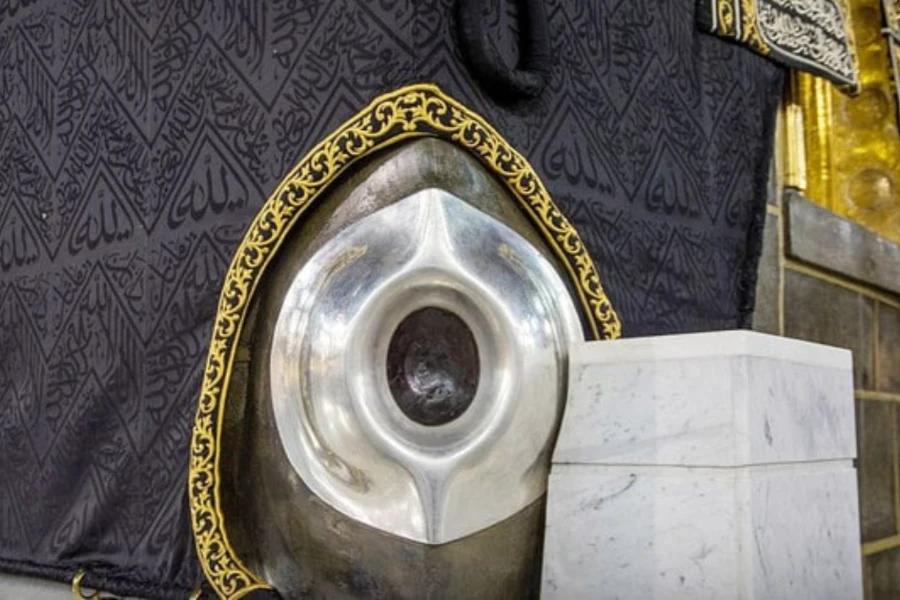
Crowds, pushing, and anxiety often stem from this single misunderstanding. Kissing the Black Stone is Sunnah, not obligatory.
If reaching it safely isn’t possible, pointing toward it is sufficient. This is one of the most visible Umrah myths, and it often turns a moment of worship into stress. Islam prioritizes safety, intention, and humility—principles sometimes lost when misconceptions about Umrah go unchecked.

Many pilgrims believe that each circuit of Tawaf requires a specific dua. While popular, this practice isn’t supported by the Sunnah.
The Prophet ﷺ made general supplications, allowing worshippers to speak from the heart. Treating Tawaf like a memorization task is another example of how myths about Umrah can strip away personal connection. Once this is clarified, many pilgrims feel immediate relief—another case of myths debunked through knowledge.
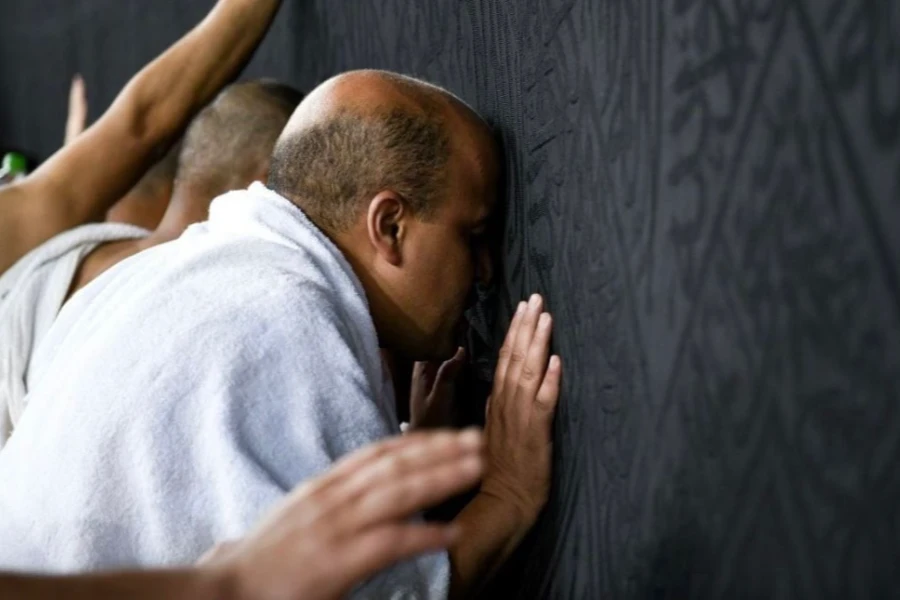
Reverence for the Kaabah is natural, but inventing acts of worship is not encouraged. Touching or wiping the Kaabah was not prescribed by the Prophet ﷺ, even though many pilgrims—especially those traveling through Ramadan Umrah Packages—feel an added emotional intensity during this sacred time.
Barakah comes from obedience and sincerity, not physical contact. This misconception about Umrah often develops through cultural expression rather than religious guidance. Clearing this up helps keep worship aligned with the Sunnah, allowing pilgrims to focus on devotion and reflection rather than emotionally driven practices.

This topic requires nuance. While classical rulings emphasized safety through a mahram, many contemporary scholars allow women to perform Umrah with trustworthy groups under secure conditions.
This remains one of the most persistent Umrah myths, often preventing capable women from going altogether. Consulting reliable scholars and understanding modern rulings is essential for getting these myths debunked responsibly.

Ihram is a state defined by intention and restrictions—not a single set of clothes. Pilgrims may change or wash their Ihram garments when needed.
I’ve seen people endure unnecessary discomfort because of this misconception about Umrah. Islam does not require hardship where ease exists. Understanding this removes anxiety and helps pilgrims focus on worship instead of discomfort.

Visiting Madinah is deeply rewarding, but it is not a condition for Umrah’s validity. This misunderstanding often arises from blending Umrah practices with a misconception about Hajj.
While praying in the Prophet’s Mosque is highly recommended, it is a separate act of worship. Clarifying this helps pilgrims plan realistically and prevents disappointment rooted in myths about Umrah.

Some pilgrims feel pressured to perform Umrah repeatedly, often comparing themselves to others. While multiple Umrahs are permissible, the Prophet ﷺ did not routinely practice this.
Islam values quality over quantity. A single Umrah performed with presence and reflection often carries more spiritual weight. This modern Umrah myth is best addressed by refocusing on intention—another example of myths debunked through perspective.

• Learn the core rites from authentic sources
• Avoid crowd pressure that compromises safety
• Make personal, heartfelt duas
• Separate cultural habits from religious obligations
• Seek guidance from trusted scholars
These steps alone protect pilgrims from many misconceptions about Umrah and ensure a more meaningful experience.
From my personal experience guiding and educating pilgrims for over ten years, I can confidently say that confusion—not difficulty—is the biggest barrier people face. Most concerns come from repeated Umrah myths or from applying a misconception about Hajj to Umrah incorrectly. Once those myths are debunked, pilgrims often describe their journey as lighter, calmer, and far more spiritually fulfilling.
Umrah was never meant to feel intimidating. When misconceptions about Umrah are replaced with sound knowledge, the journey becomes what it was always intended to be—accessible, merciful, and deeply personal.
By questioning assumptions, understanding the Sunnah, and allowing common myths debunked through learning, pilgrims can approach Umrah with confidence instead of fear. And sometimes, that clarity is the greatest preparation of all.
Our curated content will ensure you’re well–prepared and inspired every step of the way.