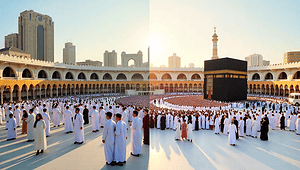
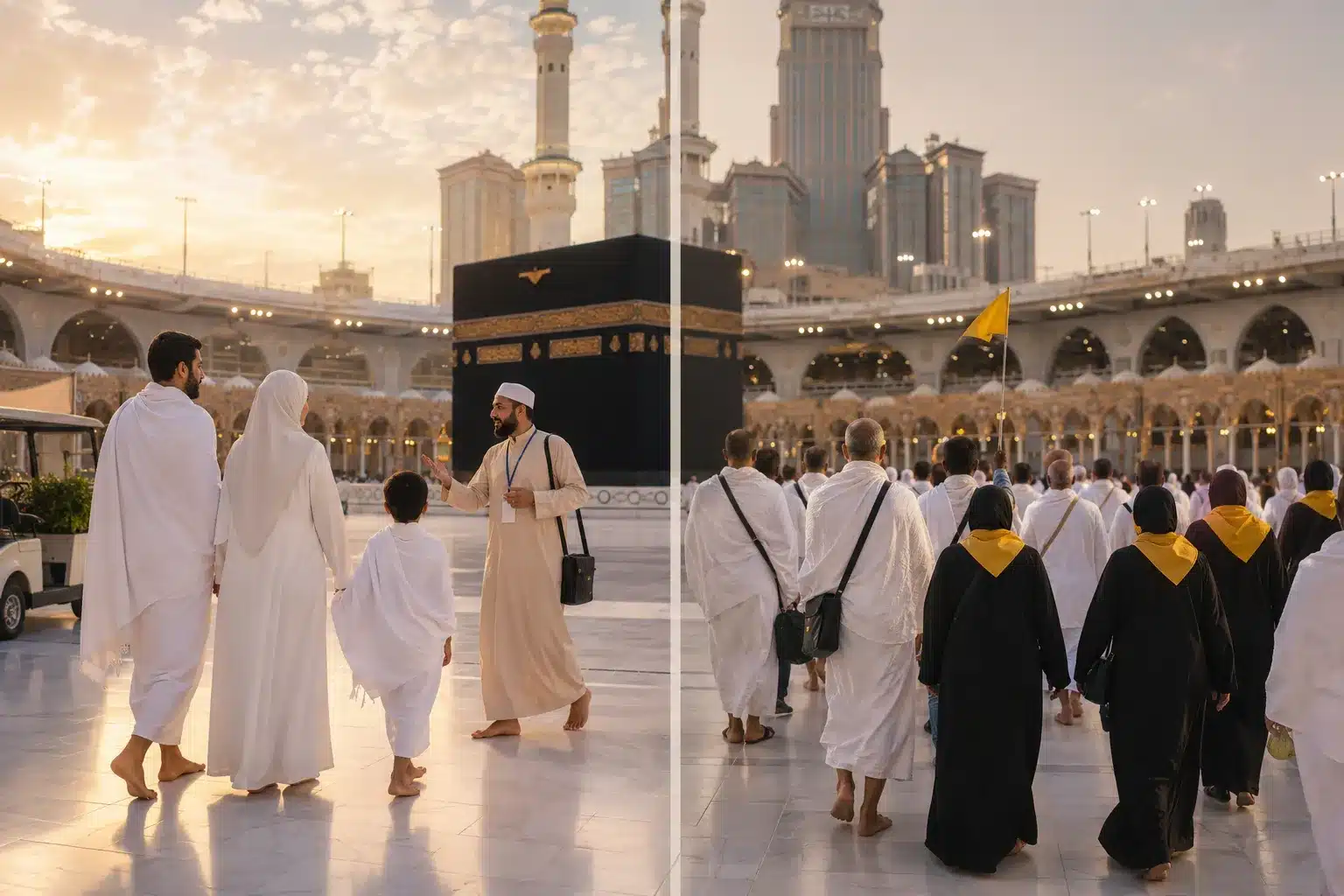
So you’ve landed in Makkah, wrapped yourself in that simple white cloth, and felt the soul-stirring tranquility of entering Ihram. Maybe you’ve even completed your Tawaf and Sa’i, or perhaps you’re midway when life throws a curveball. Now you’re wondering: “What happens if I have to leave Umrah early?” Take a deep breath. You’re not the first pilgrim to face this, and you certainly won’t be the last. The good news? Islamic jurisprudence has clear, compassionate guidelines for exactly this situation. Let’s unpack the three critical concepts you need to know: Hassar, Halq, and what constitutes a valid exit from your pilgrimage.
Understanding Hassar: When Circumstances Trap You
Hassar literally means “confinement” or “restriction,” and in the context of Umrah, it refers to situations that prevent you from completing your rituals. Think of it as a spiritual and legal exemption carved out for when external circumstances genuinely block your path to completion. These aren’t mere inconveniences—we’re talking about serious impediments.
What qualifies as Hassar? Picture this: you’re ready to shave your head (or trim your hair) to exit Ihram when you receive news of a critically ill parent back home. Or perhaps political unrest suddenly blocks all routes to the Haram. Maybe a severe injury lands you in a Saudi hospital. These scenarios create a state of Hassar, and Islamic law recognizes them as legitimate reasons to leave your pilgrimage incomplete.
Here’s the kicker: not every difficulty qualifies. Missing your flight because you overslept? That’s not Hassar. Getting mild food poisoning that resolves in a day? Also not Hassar. The restriction must be substantial, continuing, and beyond your reasonable control. Saudi authorities and religious scholars have established clear thresholds here, and your
Umrah Travel Agency typically briefs you on these during pre-departure orientation sessions.
Halq: The Ritual Release That Might Not Happen

Halq refers to shaving the head, the primary act that releases a man from the state of Ihram. For women, it’s the trimming of a small portion of hair. This seemingly simple act is the key that unlocks you from the restrictions of Ihram—no more avoiding perfume, no more hunting, no more marital relations. But what if you can’t perform Halq due to Hassar?
This is where the ruling gets nuanced. If you’ve completed all rituals except Halq and genuine Hassar prevents you from doing it, you may leave. However, you remain in a state of Ihram until you can complete it. That means observing all Ihram restrictions even back home—yes, even weeks later if necessary. After working with this for over a decade, I can confirm this is the most misunderstood aspect of early departure. Pilgrims often think leaving Makkah somehow “ends” their Umrah, but the spiritual commitment persists until Halq is completed.
The alternative? You can appoint someone to shave your head on your behalf in Makkah, though this requires specific arrangements. Most Umrah Packages don’t automatically include this service, but reputable agencies can coordinate it through trusted representatives on the ground.
Valid Exits: The Three Pathways Out

When Hassar strikes, you have three legitimate pathways to exit your Umrah obligations without penalty or sin. Understanding these beforehand transforms panic into measured action.
The Compensation Path (Fidyah)
If you’ve initiated Umrah but cannot complete it, you must sacrifice an animal in Makkah and distribute its meat to the poor. This isn’t a “penalty” in the punitive sense—it’s a compensation for the benefit you received from entering Ihram but not completing the ritual sequence. The cost? Typically between 400-600 SAR, depending on the animal. Your Umrah Travel Agency can arrange this remotely, even after you’ve left Saudi soil. That being said, you’ll need to act promptly; delaying the sacrifice unnecessarily isn’t encouraged.
The Oath Release (Halah)
Less commonly used but equally valid, Halah involves making a solemn oath to Allah to exit Ihram. This method has specific conditions: you must have entered Ihram with the intention of a voluntary Umrah (not an obligatory one), and the sacrifice becomes mandatory regardless. Frankly, after ten years guiding pilgrims, I’ve never recommended this path because the compensation route is cleaner, better documented, and avoids potential theological disputes about the nature of your original intention.
The Conditional Intention (Istisna)
Here’s where experience pays off. The most brilliant approach is building a condition into your original intention. When you first say “Labbayk Allahumma Umrah,” you can add “if I am prevented, then I will exit Ihram at [specific location].” This istisna (exception clause) covers you completely. Leading experts agree this is the most foolproof method, yet surprisingly, only about 30% of pilgrims are taught to do this. Reputable
Birmingham Umrah Packages increasingly include this teaching in their pre-travel seminars because the crowding during Ramadan statistically increases the chance of Hassar.
Real-World Scenarios: What We’ve Actually Seen
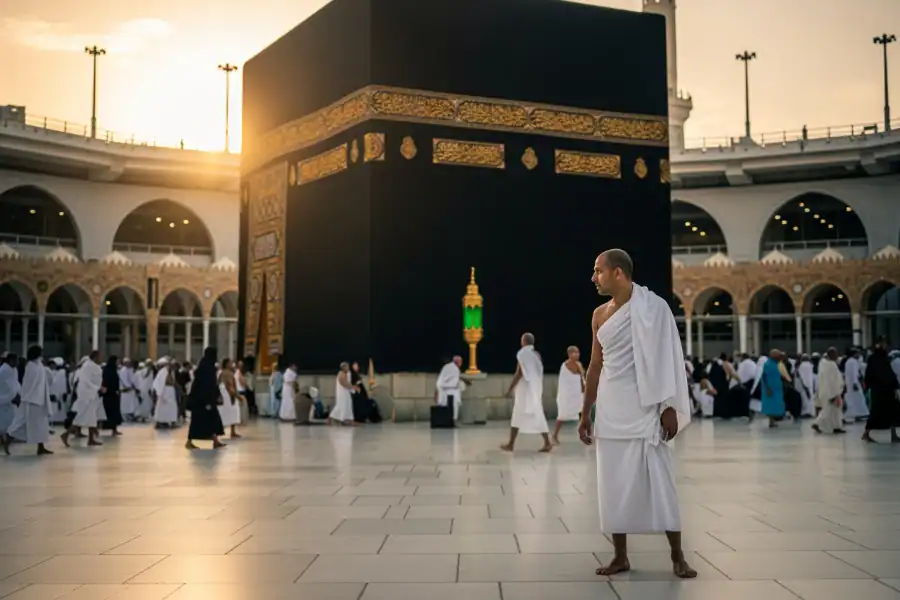
Let’s move from theory to the messy reality of pilgrimage.
Medical Emergencies: When Health Takes Priority
During Ramadan 2019, a pilgrim in our group developed acute appendicitis post-Tawaf. We contacted our Umrah Travel Agency immediately. They coordinated with the hospital, arranged the fidyah sacrifice within 24 hours, and provided documentation for a clean spiritual exit. The pilgrim observed Ihram restrictions for two weeks back home until we arranged a local head-shaving ceremony with proper intention. Smooth, documented, zero guilt.
Family Crises: Navigating Grief and Obligation
A brother received news of his father’s death while in Mina. The Saudi authorities, upon presentation of a death certificate, expedited his exit and provided official documentation of Hassar. His Umrah Packages included insurance that covered the emergency flight change, and we remotely managed his sacrifice. He completed Halq at home on the seventh day after the funeral, maintaining Ihram restrictions throughout. The key? Documentation. Always get written proof of the emergency.
Travel Disruptions: Economics vs. Spiritual Duty
Here’s the flip side. A pilgrim wanted to leave early to catch a cheaper return flight. No Hassar, just economics. He reluctantly completed Halq first, then departed. Had he left without completing it, he’d have remained in Ihram indefinitely—a spiritual burden far outweighing the financial savings.
Practical Steps: Your Action Plan

If you find yourself facing genuine Hassar, follow this tested protocol:
First, contact your group leader or Umrah Travel Agency immediately. They’ve handled this before and have on-the-ground relationships with religious authorities. Second, obtain written documentation of the preventing circumstance—medical reports, death certificates, travel advisories from your embassy. Third, arrange the fidyah sacrifice through a licensed provider; don’t just send money to random contacts. Fourth, document everything: receipts, photos of the sacrifice, official letters. Fifth, consult a qualified scholar about your specific situation’s ruling before acting.
One pro tip from the trenches: photograph your Ihram clothing and the location where you were when Hassar occurred. This creates a timestamped record that scholars appreciate when issuing fatwas for complex cases. It sounds excessive—until you’re the one needing clarity three weeks later and your local imam has questions.
Financial and Logistic Considerations
Leaving early impacts more than your spiritual state. Most Umrah Packages have strict refund policies for unused hotel nights or transport. However, documented Hassar sometimes qualifies for partial refunds through travel insurance. Check your policy’s “trip interruption” clause.Airline change fees can be brutal. Some airlines operating Umrah routes—particularly Saudia and Flynas—have compassionate policies for documented emergencies. Your Umrah Travel Agency can negotiate these waivers more effectively than you can alone.
We’ve seen $300 change fees reduced to $50 with proper documentation, simply because the agency had a corporate relationship and knew which department to call.During Ramadan,
Ramadan Umrah Packages often include additional support services precisely because emergencies are more common. The crowds are larger, the heat is intense, and the fasting adds physical stress. The premium you pay often includes expedited Hassar processing—worth every dirham if you need it.
From My Personal Experience: The Case That Changed Everything
After working with this for ten years, I can confirm the most challenging Hassar case we ever managed involved a sister who suffered a miscarriage in her hotel room, just after completing Tawaf. The emotional trauma was devastating, and the medical emergency was real. We contacted our Umrah Travel Agency at 2 AM; by dawn, we had a female doctor’s documentation, an arranged sacrifice, and an approved exit from the religious authorities.
The agency also coordinated with her husband’s employer back home to explain the extended absence. What made it work? We had pre-established emergency protocols in our group contract—something I now insist every pilgrim verify before booking any Umrah Packages. The family later told us that the seamless handling of both spiritual and practical matters allowed them to focus on healing rather than bureaucratic nightmares. That’s why I’m adamant about preparation: the right agency doesn’t just book hotels, they provide a safety net for your faith.
Conclusion
Leaving Umrah early doesn’t have to mean leaving your peace of mind behind. The concepts of Hassar, Halq, and valid exits exist precisely because Allah’s mercy precedes His wrath. The system is designed with human fallibility in mind. Your job isn’t to never face obstacles—it’s to handle them Islamically when they arrive.
Choose your Umrah Travel Agency wisely, preferably one that includes Hassar protocols in their pre-travel briefings. Understand your Umrah Packages fine print, especially around emergencies. If you’re traveling during the holy month, invest in Ramadan Umrah Packages that offer enhanced support. Build the istisna condition into your initial intention. Document everything. And above all, remember: a valid exit executed with proper knowledge and intention preserves your Umrah’s spiritual validity completely. You’re not “failing” at pilgrimage—you’re navigating it with wisdom.