Umrah Footwear Essentials: Smart Ihram Shoes & Blister-Free Sa’ee Tips
November 13, 2025 No Comments
Let’s be honest, when planning an Umrah trip, the spiritual preparations take center stage—rightfully so.…

Home / Niyyah vs. Habit: Renewing Intention Throughout Umrah
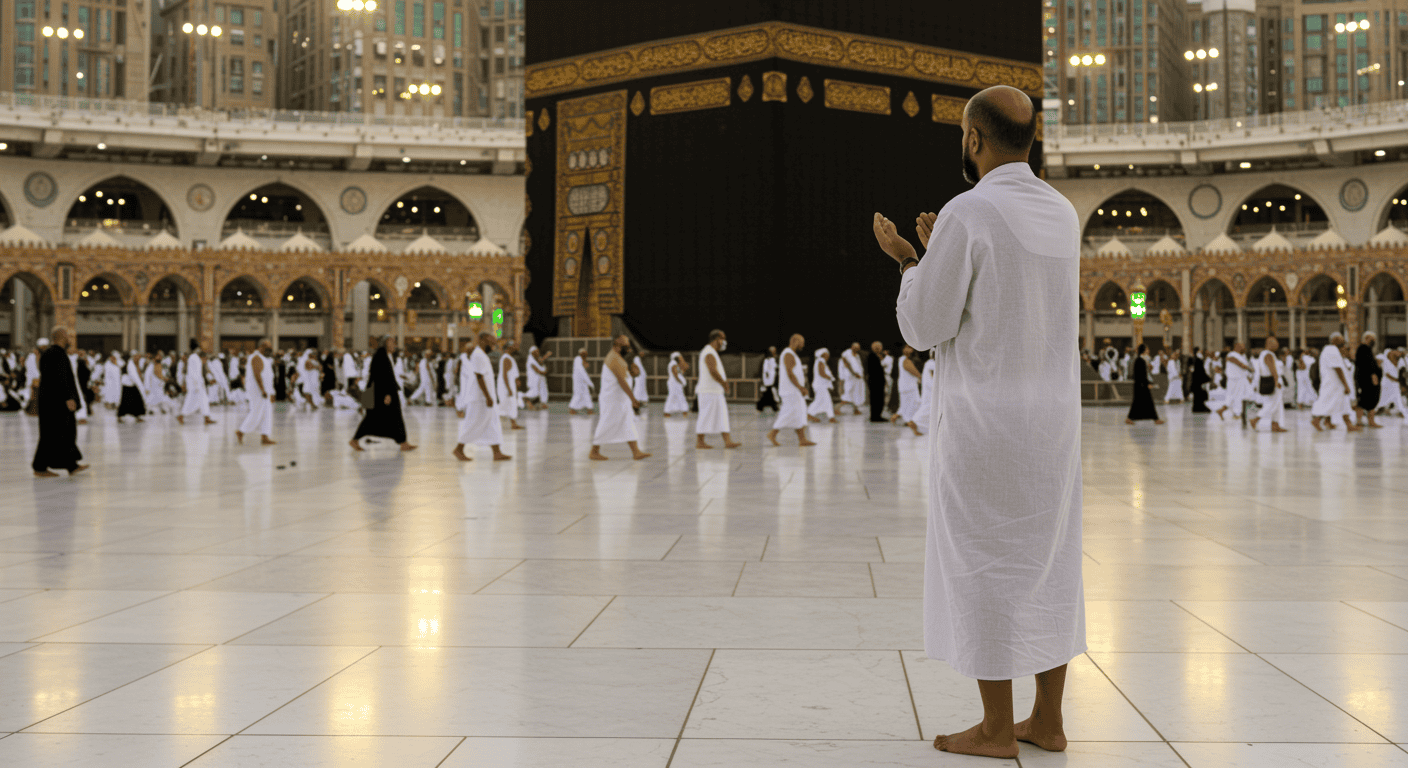
Every act of worship in Islam begins with one powerful element — intention, or niyyah. It is the invisible foundation upon which the entire structure of devotion stands. Whether one is performing Salah, fasting during Ramadan, or embarking on the sacred journey of Umrah, the strength of one’s intention defines the quality of the worship. Yet, in today’s fast-paced world, it is easy for actions to slip into routine — transforming sacred acts into mere habits.
When it comes to Umrah, this contrast between niyyah and habit becomes particularly significant. Traveling to Makkah is not just a physical journey but a spiritual transformation. However, if the journey becomes something performed out of custom or repetition, its deeper essence can fade away. By exploring options such as Easter Umrah Packages, pilgrims can find renewed inspiration and focus on the true meaning of their pilgrimage. Understanding the difference between niyyah and habit allows them to rekindle the real purpose of their worship and experience Umrah as it was meant to be — a renewal of the soul and connection with Allah.
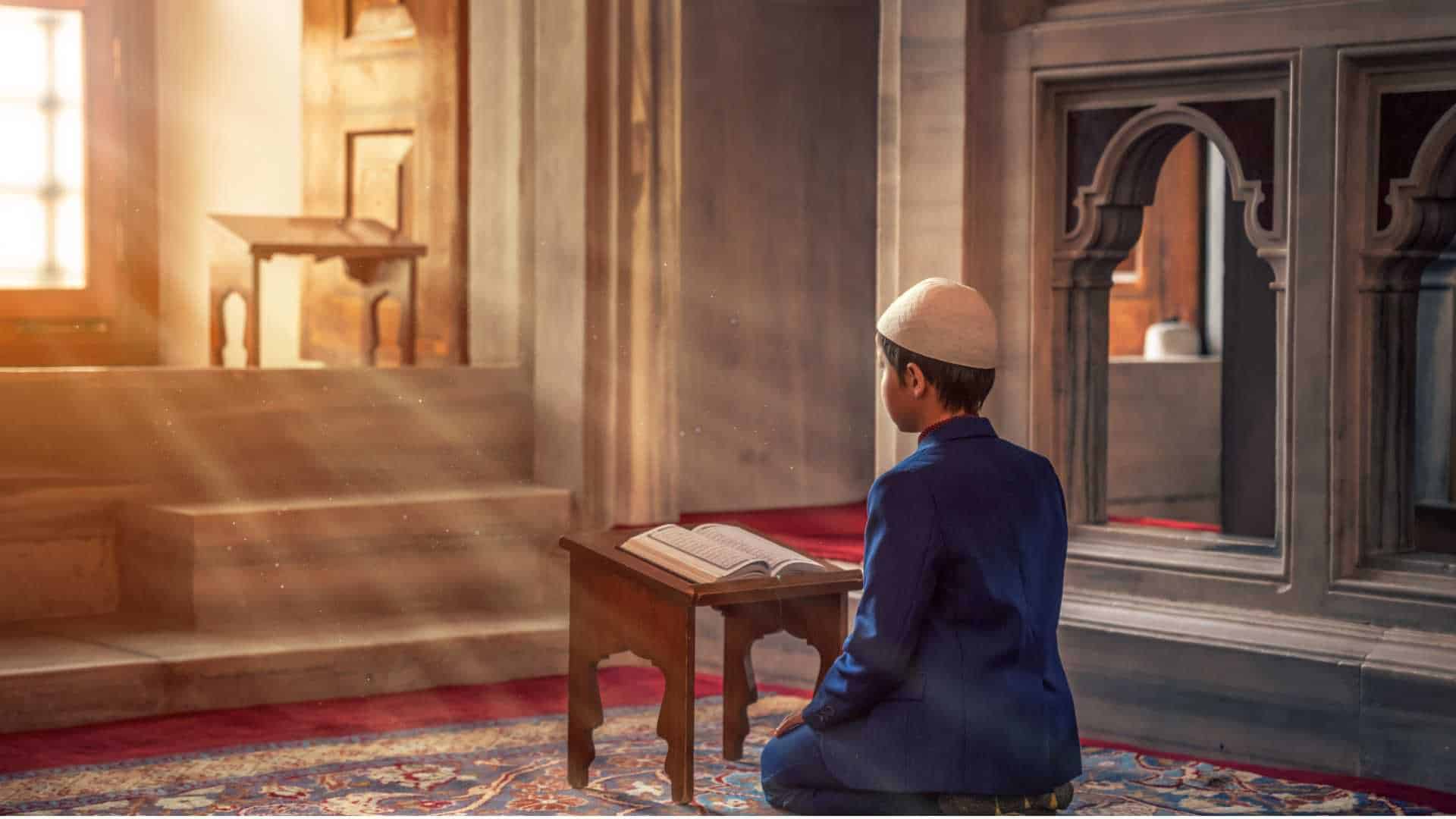
Niyyah, in its simplest meaning, is the intention behind an action. It is not a phrase that must be spoken aloud, but rather a deep awareness within the heart of why one is performing an act. In the hadith narrated by Umar ibn al-Khattab (may Allah be pleased with him), the Prophet Muhammad (peace be upon him) said, “Actions are judged by intentions, and every person will get what they intended.” This timeless hadith highlights that the inner purpose behind an action carries more weight than the action itself.
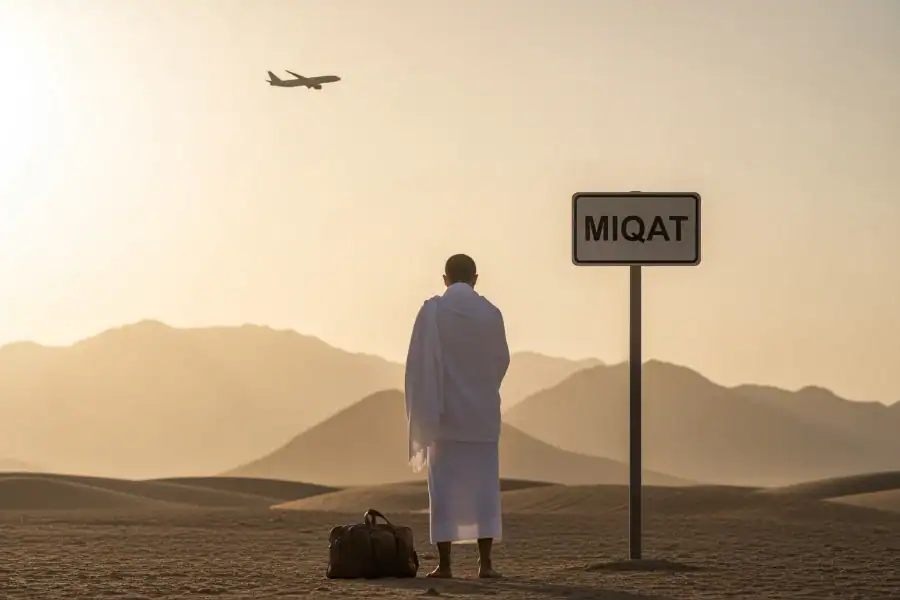
In Umrah, niyyah begins before the journey even starts. It begins when one decides to leave home, prepare for the trip, and enter the state of Ihram. This intention transforms the journey from a regular travel experience into an act of worship.
A habit is something we do repeatedly, often without thinking. It may begin with good intention, but over time, it can lose its meaning. Many people may perform Umrah several times in their lives, but if each time is done without reflection, it can become more of a cultural routine than a spiritual experience.
Niyyah, on the other hand, brings awareness and sincerity to every moment. It keeps the act alive, fresh, and spiritually nourishing. Renewing one’s niyyah is like recharging the heart — it reminds the pilgrim that every step in Makkah and Madinah is for Allah alone.
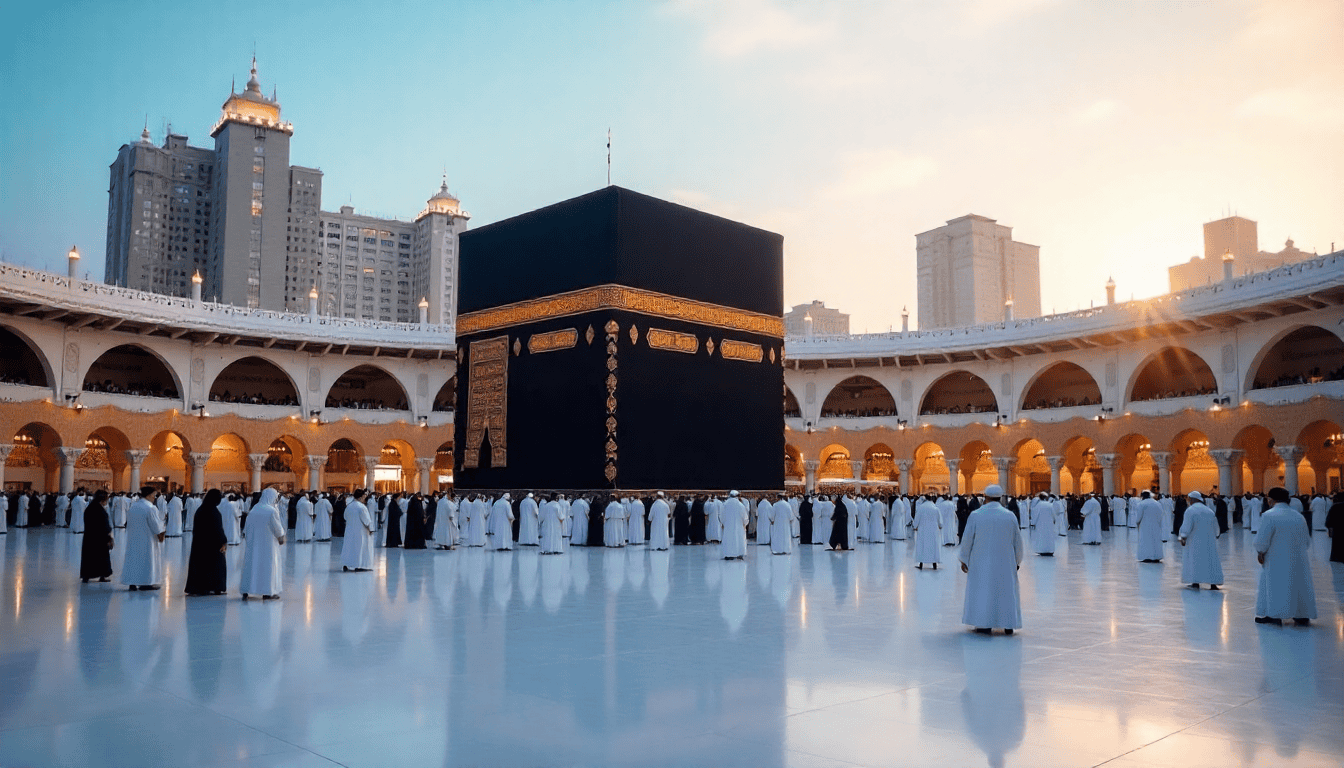
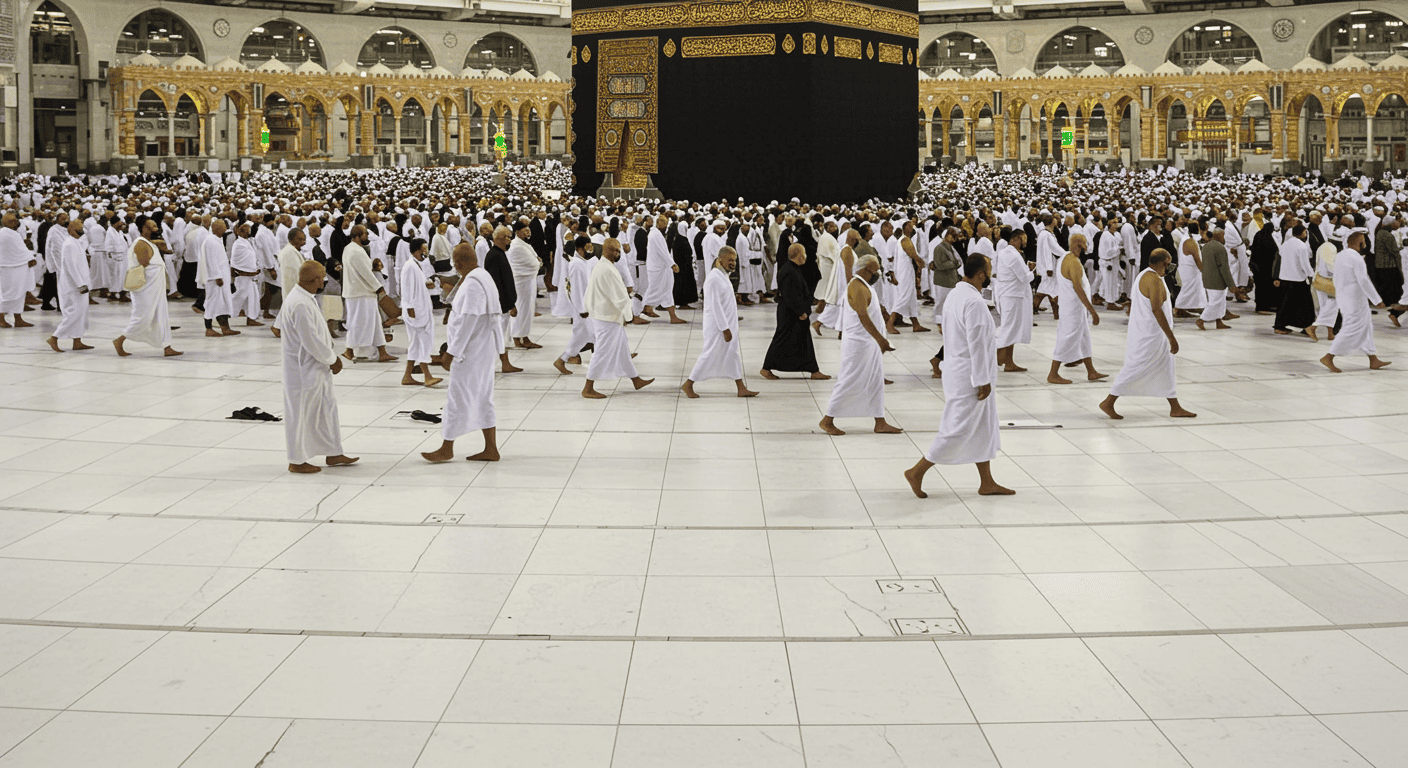
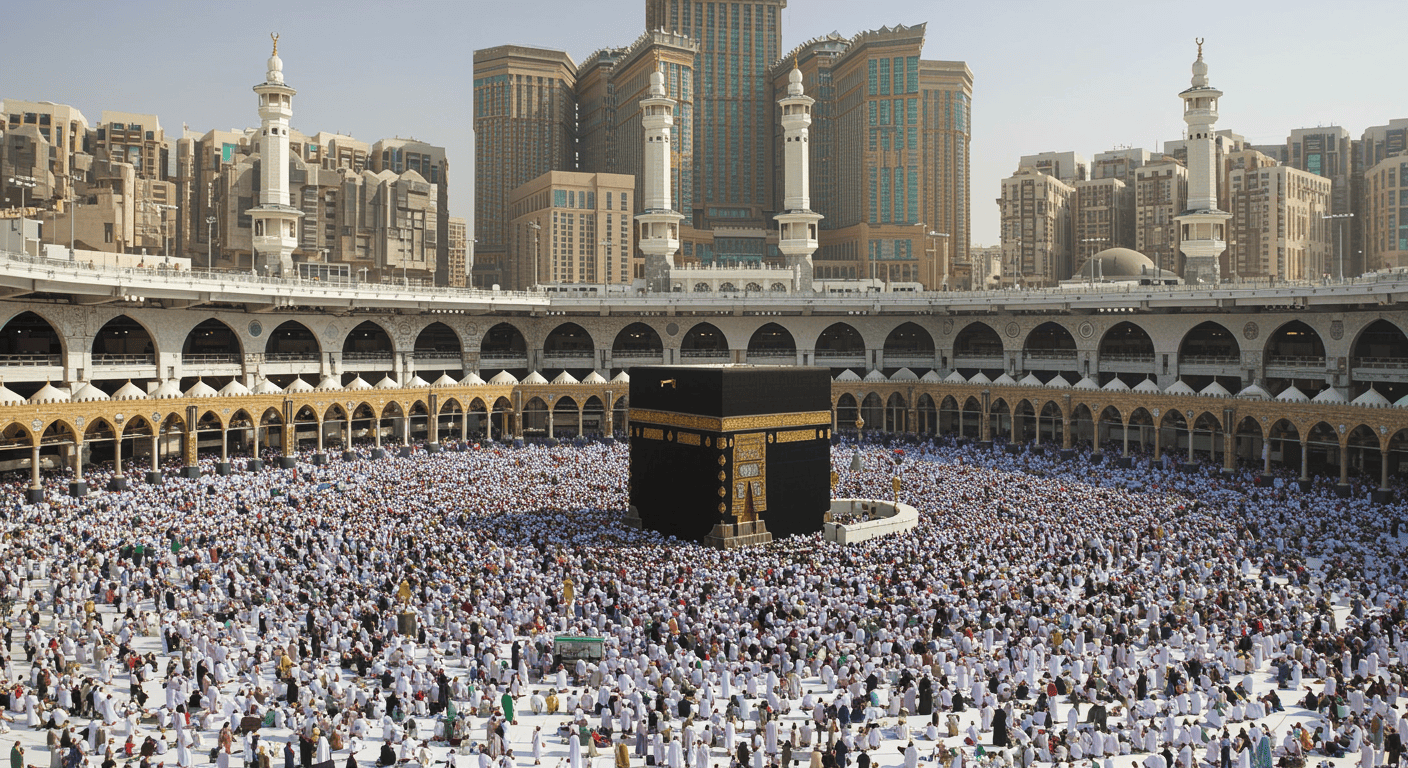
Performing Umrah is a journey filled with sacred acts — Tawaf around the Kaaba, Sa’i between Safa and Marwah, and standing in prayer near the House of Allah. However, when performed multiple times, there’s a risk that these actions may become mechanical. A pilgrim may walk in circles around the Kaaba without truly feeling the awe of standing before Allah’s House.
This shift from meaning to movement happens when habit overtakes niyyah. Without conscious awareness, even the most spiritual rituals can lose their essence. The Prophet (peace be upon him) warned against heedlessness in worship, reminding believers to maintain mindfulness and sincerity in all acts.
Every part of Umrah carries deep symbolism and purpose. Tawaf symbolizes unity and obedience to Allah’s command, Sa’i reminds believers of Hajar’s trust in Allah, and trimming the hair represents humility and renewal. When a pilgrim performs these rituals with understanding and intention, they transcend physical actions — they become acts of deep reflection and spiritual connection.
Renewing intention before each ritual transforms Umrah from a journey of movement into a journey of meaning. Each act then becomes a conversation with Allah, filled with awareness, gratitude, and love.
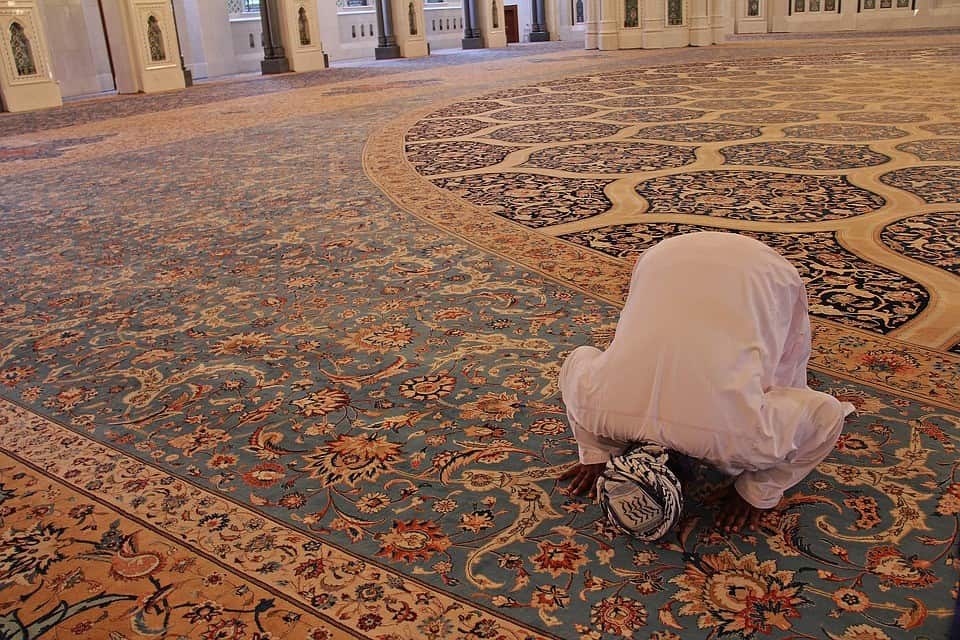
Before leaving for Umrah, pilgrims should take time to reflect on their purpose. Is the journey being made to seek forgiveness, grow closer to Allah, or to simply fulfill a religious duty? Writing down one’s goals or making a quiet dua for sincerity can help center the heart.
True niyyah begins long before the flight to Makkah. It begins with preparation — choosing halal earnings to fund the trip, asking for forgiveness from others, and cleansing the heart from pride or arrogance. A pure intention ensures that every moment during Umrah becomes meaningful.
Niyyah should not be a one-time act. It needs to be renewed throughout the pilgrimage. Each stage — from wearing Ihram to performing Tawaf, Sa’i, and even praying in the Haram — should begin with conscious remembrance of why one is there.
When tiredness sets in or distractions appear, pausing to renew intention helps bring focus back to the purpose. Whispering to oneself, “I am doing this for Allah,” can transform fatigue into strength and routine into worship.
Awareness is the soul of worship. When pilgrims perform each act with understanding, even repetitive movements become profound. For instance, while performing Tawaf, each circle can be a reminder of a different blessing from Allah or a time to make dua for loved ones.
Similarly, during Sa’i, instead of rushing through the ritual, one can reflect on Hajar’s patience and faith. Her struggle teaches the pilgrim to trust in Allah’s plan even in moments of uncertainty.
Mindfulness is not just a modern concept — it is deeply rooted in Islamic spirituality. The Quran encourages believers to remember Allah often and be aware of His presence in every moment. In the context of Umrah, mindfulness transforms every second into an opportunity for dhikr.
When pilgrims maintain focus and sincerity, their hearts stay connected even amidst crowds. This awareness keeps niyyah alive, protecting worship from falling into habit or distraction.
One of the biggest challenges to maintaining pure niyyah is the desire for praise. Sharing travel photos or constantly updating others about the journey can shift the focus from worship to self-display. The Prophet (peace be upon him) warned that actions done for show will bring no reward. Choosing the right Umrah Packages can help pilgrims stay focused on their spiritual goals by minimizing distractions and allowing them to dedicate their time and energy purely to worship.
Performing Umrah should be an act of humility, not publicity. When done purely for Allah, even hidden deeds become radiant in His sight.
Another common trap is comparison. Some may feel their Umrah is less meaningful than someone else’s, or that their travel arrangements are not as luxurious. This mindset distracts from the purpose of the journey. Each pilgrim’s connection with Allah is unique, and sincerity, not luxury, determines its value.
Remembering that Umrah is a personal covenant with Allah helps restore focus to what truly matters — the heart’s condition, not the surroundings.
Umrah does not end when the flight home lands. The real challenge begins afterward — maintaining the purity of niyyah once daily life resumes. Reflection becomes essential here.
Pilgrims can keep the spirit alive by revisiting the lessons learned during the journey. Whether it was patience in a long queue, gratitude under the sun, or tears shed during Tawaf, every experience carries a lesson meant to shape one’s life back home.
The difference between a habit and true worship is what remains afterward. A person who performs Umrah with sincere intention will notice changes in their heart, behavior, and relationship with Allah. Their prayers become more heartfelt, and their actions more compassionate.
Umrah, when performed with niyyah, becomes a seed that continues to grow long after the journey ends. When done as habit, it becomes a memory — but when done with sincerity, it becomes transformation.
Allah does not look at our outward forms but at our hearts. The beauty of niyyah lies in its privacy — no one can see it but Allah. This makes it one of the most intimate acts of worship. Even a small act done with pure intention can outweigh grand gestures done for show.
During Umrah, this sincerity shines through when pilgrims quietly help others, show patience in crowds, or forgive those who may push or bump into them. These hidden moments define the true essence of worship.
Sincere intention multiplies reward. Even if a pilgrim is unable to complete every desired act due to illness or exhaustion, Allah rewards them for what they intended. The Prophet (peace be upon him) said that when a person intends good, Allah records it as a complete good deed.
Renewing niyyah frequently ensures that every act — even resting, eating, or helping others — becomes a form of worship. This transforms the entire Umrah experience into continuous ibadah.
Before leaving for Umrah, take time for spiritual cleansing. Forgive others, make dua for guidance, and ask Allah to purify your heart. Packing light spiritually is as important as packing physically.
Once in Makkah or Madinah, focus on humility and gratitude. Avoid unnecessary distractions like constant photography or social media posting. Every moment in the Haram is precious and deserves full presence.
During Tawaf, think of your life revolving around Allah’s command. During Sa’i, remember Hajar’s perseverance. When standing before the Kaaba, empty your heart of worldly desires and fill it with hope and repentance.
These small reflections turn ritual movements into profound spiritual experiences. By doing this, every action becomes intentional, meaningful, and filled with barakah.
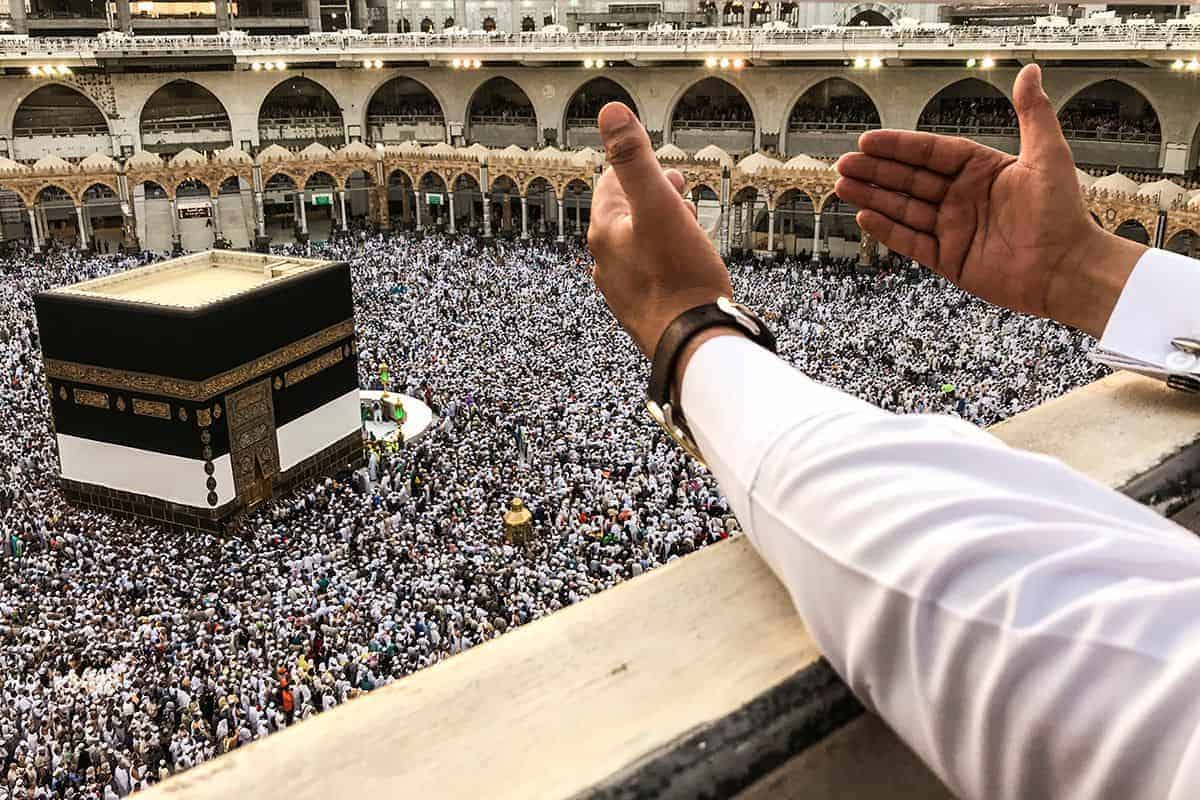
Performing Umrah with niyyah rather than habit brings immense peace. It aligns one’s actions with purpose, reducing stress and confusion. The pilgrim becomes aware of every step, every breath, and every prayer. With the help of experienced Umrah Travel Agents, this awareness deepens further, as they handle the practical arrangements, allowing pilgrims to focus solely on their spiritual growth and connection with Allah.
This awareness also helps overcome feelings of guilt or inadequacy. Knowing that Allah values effort and sincerity more than perfection brings emotional comfort.
When intention is pure, the connection with Allah deepens naturally. The pilgrim begins to feel Allah’s presence not only during Umrah but in daily life afterward. Gratitude increases, and faith becomes stronger.
Such spiritual awareness is the essence of Umrah — it is not about how many times one goes, but how deeply one’s heart is transformed each time.
Not all habits are negative. Developing consistent habits around worship can actually support niyyah. For example, making it a habit to recite specific duas during Tawaf or to perform Tahajjud in Makkah strengthens spiritual discipline.
The key is to keep these habits alive with conscious awareness. When a habit serves niyyah, it becomes a tool for spiritual growth rather than a barrier to it.
Balance is essential. Habit gives structure; intention gives meaning. Together, they create harmony in worship. A pilgrim who consistently renews their intention while maintaining good habits achieves the best of both worlds — consistency with sincerity.
This balance ensures that Umrah remains both spiritually uplifting and practically manageable.
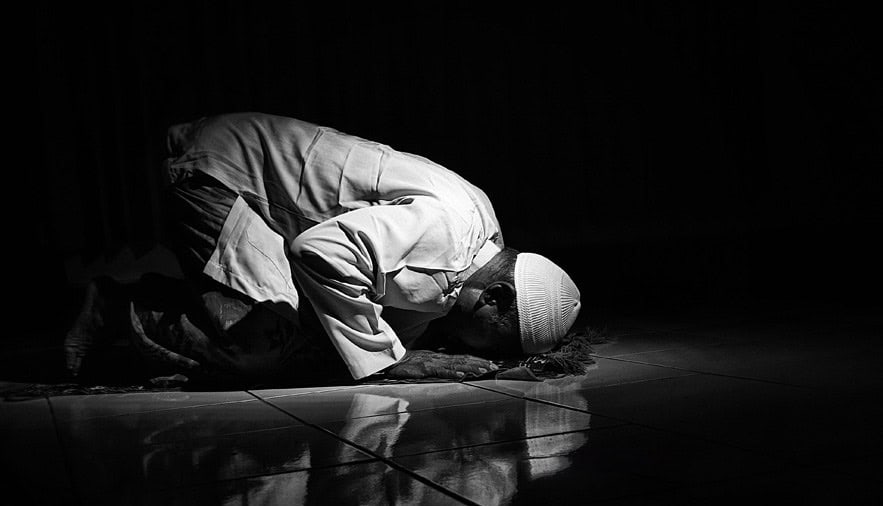
True success of Umrah is not just performing rituals but living their meaning afterward. Returning home with a renewed heart means treating others with kindness, maintaining regular prayers, and continuing acts of charity.
Everyday life becomes an extension of Umrah when one continues to act with pure intention. Each small act — helping a neighbor, smiling at a stranger, or forgiving someone — becomes a continuation of that sacred journey.
A pilgrim who returns with sincerity and humility inspires others. Instead of speaking boastfully about the journey, they reflect gratitude and compassion in their actions. This silent influence often encourages others to seek closeness to Allah as well.
In this way, niyyah not only transforms the individual but radiates outward, affecting families, communities, and generations to come.
Niyyah and habit are both essential parts of human life, but in worship, niyyah holds the key to transformation. Umrah is not merely a journey to Makkah; it is a journey within the self — from heedlessness to awareness, from routine to purpose.
Renewing intention throughout Umrah keeps the heart connected to Allah, ensuring that every act, step, and prayer carries meaning. When niyyah leads the way, even the simplest acts become doors to spiritual elevation. In contrast, when habit takes over, the journey risks losing its essence.
The true pilgrim, therefore, is not the one who performs Umrah most often, but the one who performs it with a heart alive in remembrance, sincerity, and love for Allah.
Our curated content will ensure you’re well–prepared and inspired every step of the way.