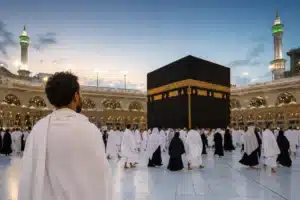
Spiritual Preparation for Hajj and Umrah: A Guide for Pilgrims
August 6, 2025 No Comments
Hajj and Umrah are two of the most significant spiritual journeys a Muslim can undertake,…

Home / Adab of the Haram: Rights of People and Place
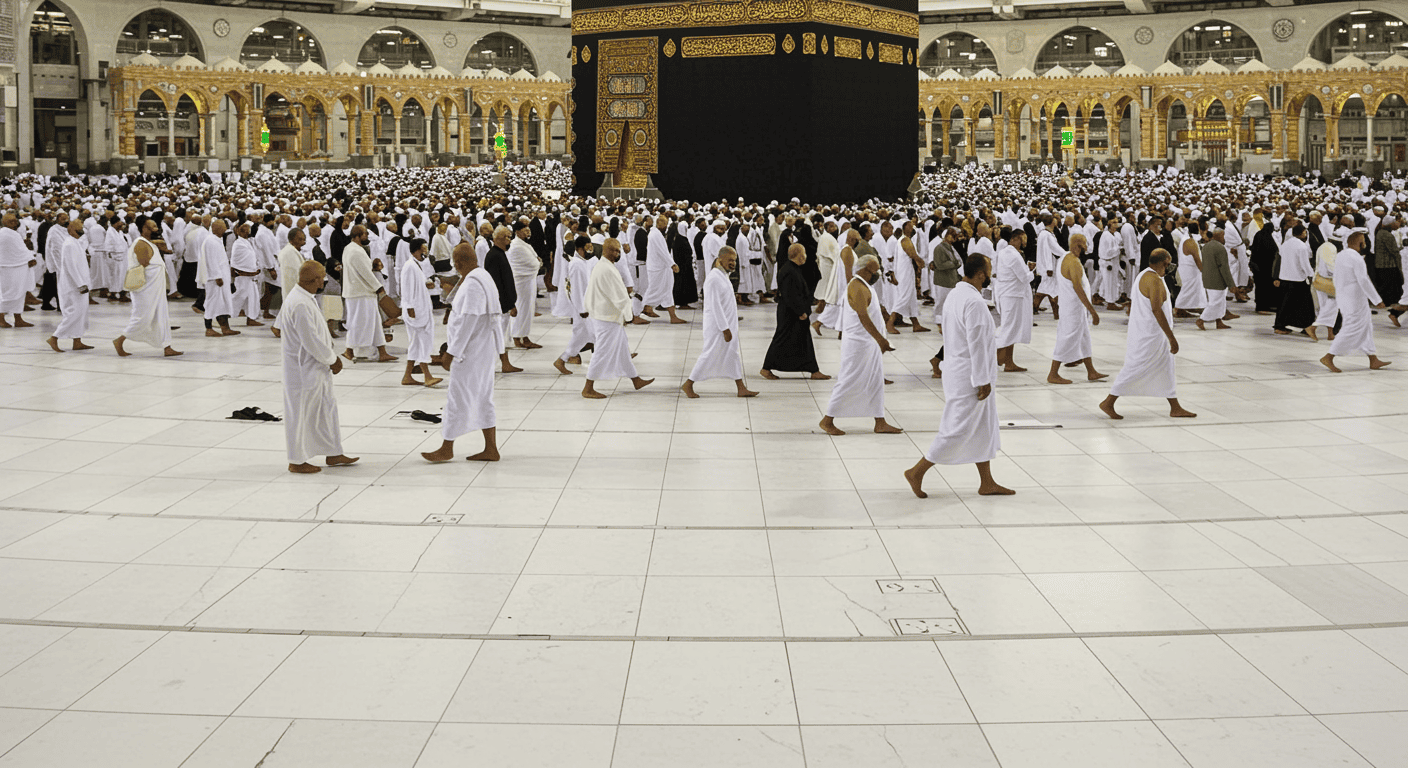
The Haram, the sacred sanctuary of Makkah and Madinah, holds a special place in the hearts of every Muslim. It is not just a location on the map, but a space filled with divine peace, spiritual energy, and the presence of Allah’s mercy. Every year, millions of Muslims travel from all corners of the world to visit these holy places, seeking forgiveness, blessings, and a deeper connection with their Creator.
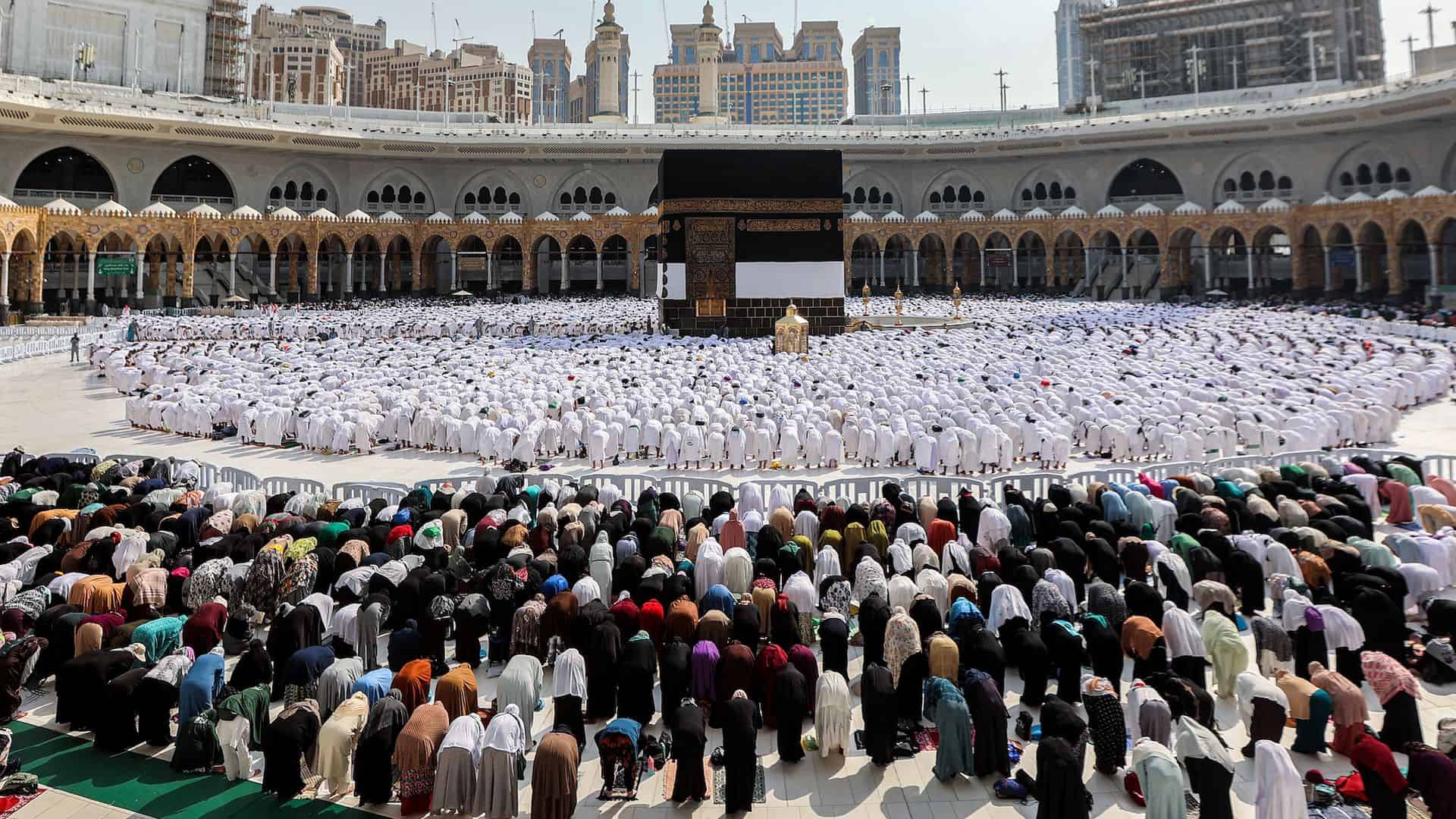
Adab, in simple terms, means proper conduct, respect, and discipline in action and speech. In the Haram, it means being mindful of how one behaves, prays, and interacts with others in the sacred space. The Haram is a place where every act of goodness is multiplied, and every act of disrespect carries greater consequence.
The adab of the Haram is rooted in love and reverence. When one enters the Haram, one steps into a zone of holiness. It is a space protected and blessed by Allah Himself. The Prophet Muhammad (peace be upon him) reminded the believers that Makkah and Madinah are sanctuaries where fighting, hunting, and even uprooting plants are forbidden. Such rulings show that the Haram is not a regular place — it demands exceptional etiquette.
The first aspect of adab in the Haram relates to the rights of the place itself. The Haram is not only a mosque but also a divine environment that must be treated with honor. Every part of it — from the marble floors to the Zamzam water — holds sacred significance.
A pilgrim must remember that maintaining the cleanliness and peace of the Haram is an act of worship. Throwing waste, speaking loudly, or causing disorder violates the dignity of this sacred ground. The Prophet (peace be upon him) loved cleanliness and order, and he encouraged believers to keep the houses of Allah pure and calm.
Another part of respecting the Haram is controlling one’s speech. The Haram is not a place for idle talk or arguments. It is a space for dhikr, dua, and silent reflection. When one walks through the corridors or prays near the Kaaba, one should be aware of the serenity that fills the air.
Speaking softly and remembering Allah is part of adab. Even the tone of one’s voice matters in the Haram, as the Qur’an reminds us not to raise our voices above the voice of the Prophet (peace be upon him). This teaches humility and awareness, values that strengthen one’s spiritual focus.
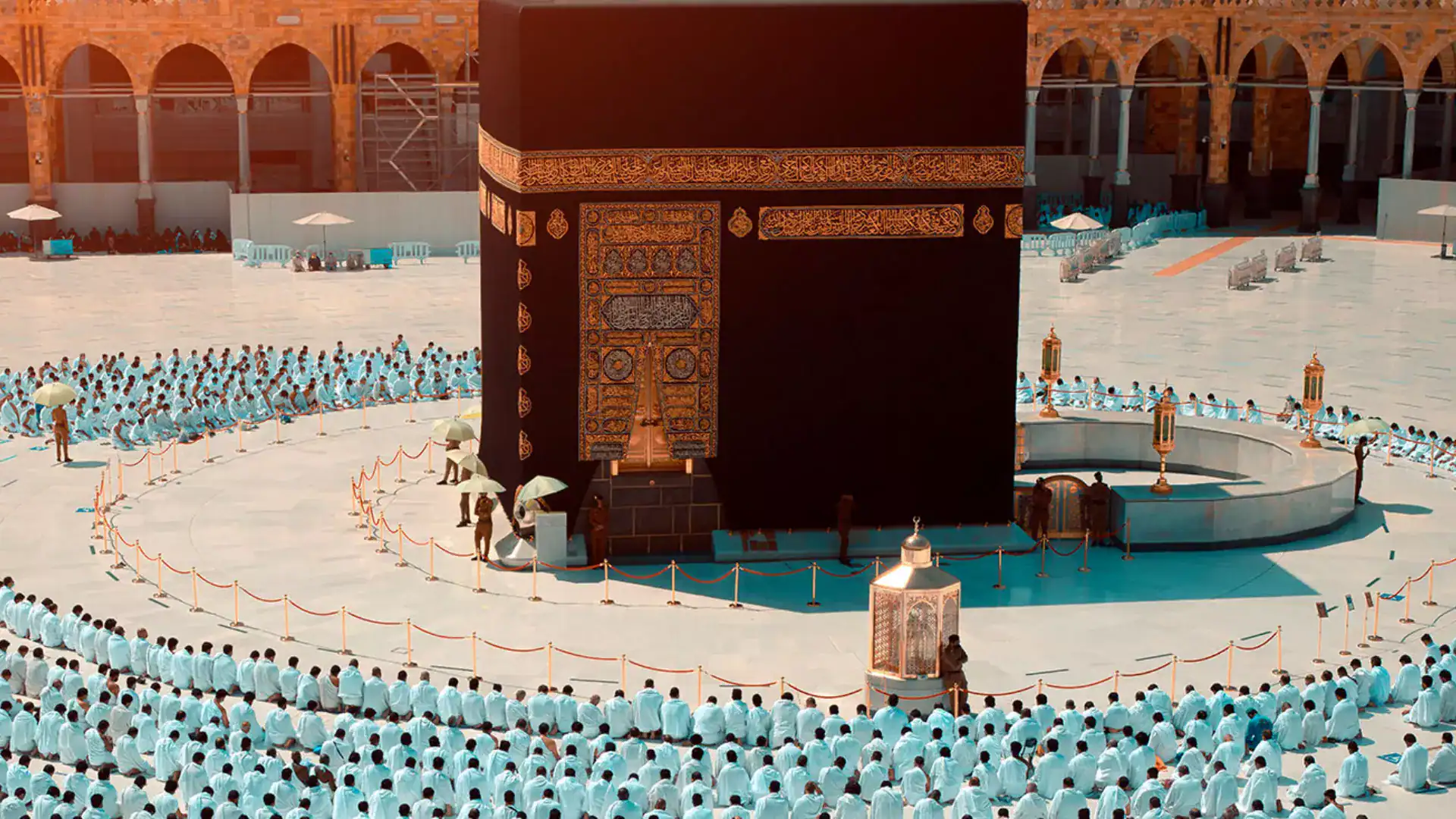
The Haram gathers people from every nation, language, and background. Each pilgrim comes with a heart full of prayer and a story of struggle. Respecting fellow worshippers is an essential part of adab in the Haram.
In such a sacred space, small acts of kindness can make a huge difference. Giving space to others during prayer, helping someone find water, or guiding a lost pilgrim are all examples of adab that bring reward. Islam teaches that helping others in worship is itself a form of worship.
Because the Haram is often crowded, patience becomes a vital part of adab. There may be long lines, heat, or delays, but losing temper or showing anger contradicts the spirit of the sacred journey. The Prophet (peace be upon him) said that the strong person is not the one who can overpower others but the one who controls his anger. The Best Umrah Travel Agency often reminds pilgrims of these values, encouraging them to maintain patience, kindness, and composure throughout their journey to ensure a truly rewarding spiritual experience.
In the Haram, patience reflects one’s trust in Allah’s timing. Every moment spent waiting or struggling can become an act of worship when met with gratitude and calmness.
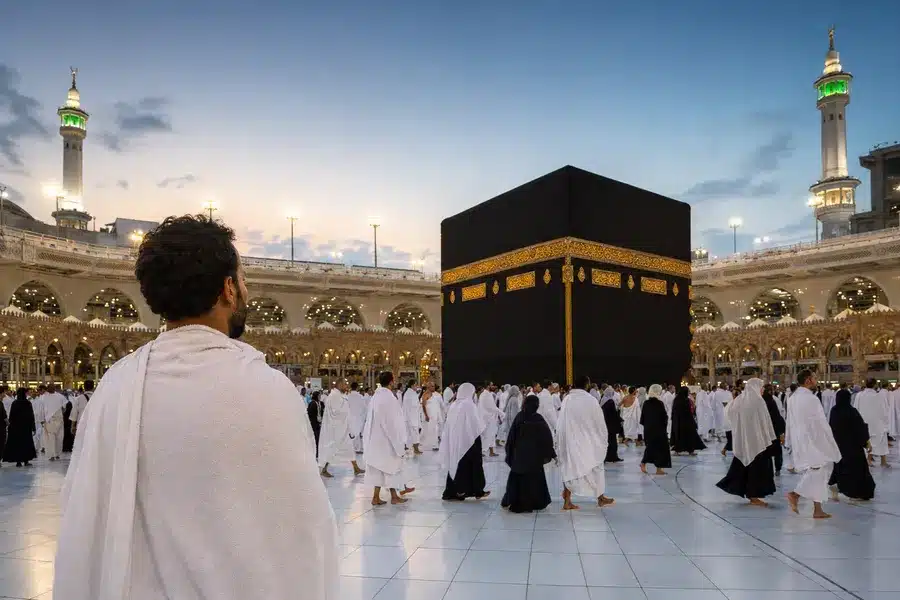
The rituals of Tawaf (circumambulation of the Kaaba) and Sa’i (walking between Safa and Marwah) require both focus and discipline. Maintaining proper adab during these acts ensures the purity of intention and the beauty of the experience.
During Tawaf, one must avoid pushing others or rushing through the crowd. The act should be done with calmness and remembrance of Allah. Each circle around the Kaaba represents closeness to Allah, and every movement should carry humility.
Similarly, during Sa’i, pilgrims should remember the struggle of Hajar (peace be upon her), whose perseverance is honored through this ritual. Performing it with patience and gratitude reflects the true spirit of worship.
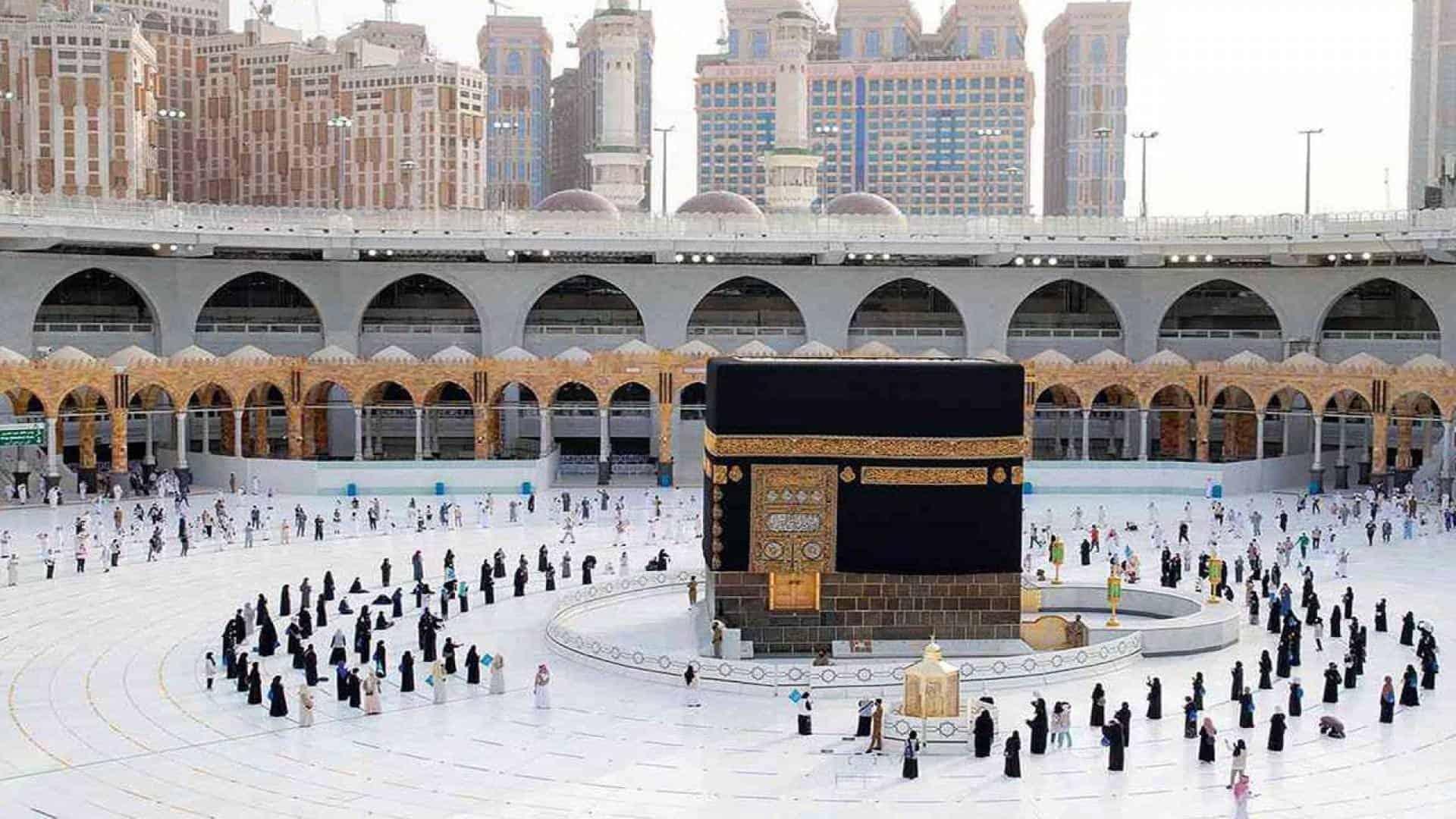
Cleanliness is a part of faith, and in the Haram, it becomes even more essential. Pilgrims must ensure that their garments, bodies, and surroundings remain clean at all times. The white Ihram itself symbolizes purity and equality, reminding everyone that all are equal before Allah.
Modesty, too, is part of adab. It means dressing appropriately, lowering the gaze, and maintaining dignity in behavior. The Haram is not just a physical space — it is a mirror of one’s inner state. A clean heart and humble attitude are what Allah values most.
Adab transforms simple acts into worship. A smile, a helping hand, or even a moment of silence becomes valuable when done with sincerity. In the Haram, where every deed carries multiplied rewards, maintaining adab becomes a path to spiritual growth.
The Prophet (peace be upon him) himself demonstrated perfect adab. His calmness, humility, and gentleness in every action serve as a timeless example for all pilgrims. Following his behavior in the Haram deepens one’s connection with Allah and enriches the soul.
The Haram is not just sacred because of its physical presence but because of the divine decree that made it holy. Allah declared it a sanctuary since the time of Prophet Ibrahim (peace be upon him). Its sanctity demands obedience, humility, and gratitude.
When a believer enters the Haram, they should remember that they are standing in a place where countless prophets prayed. Every prayer offered here carries multiplied rewards. Every sin avoided here earns greater mercy. Recognizing this privilege should fill the heart with awe and respect.
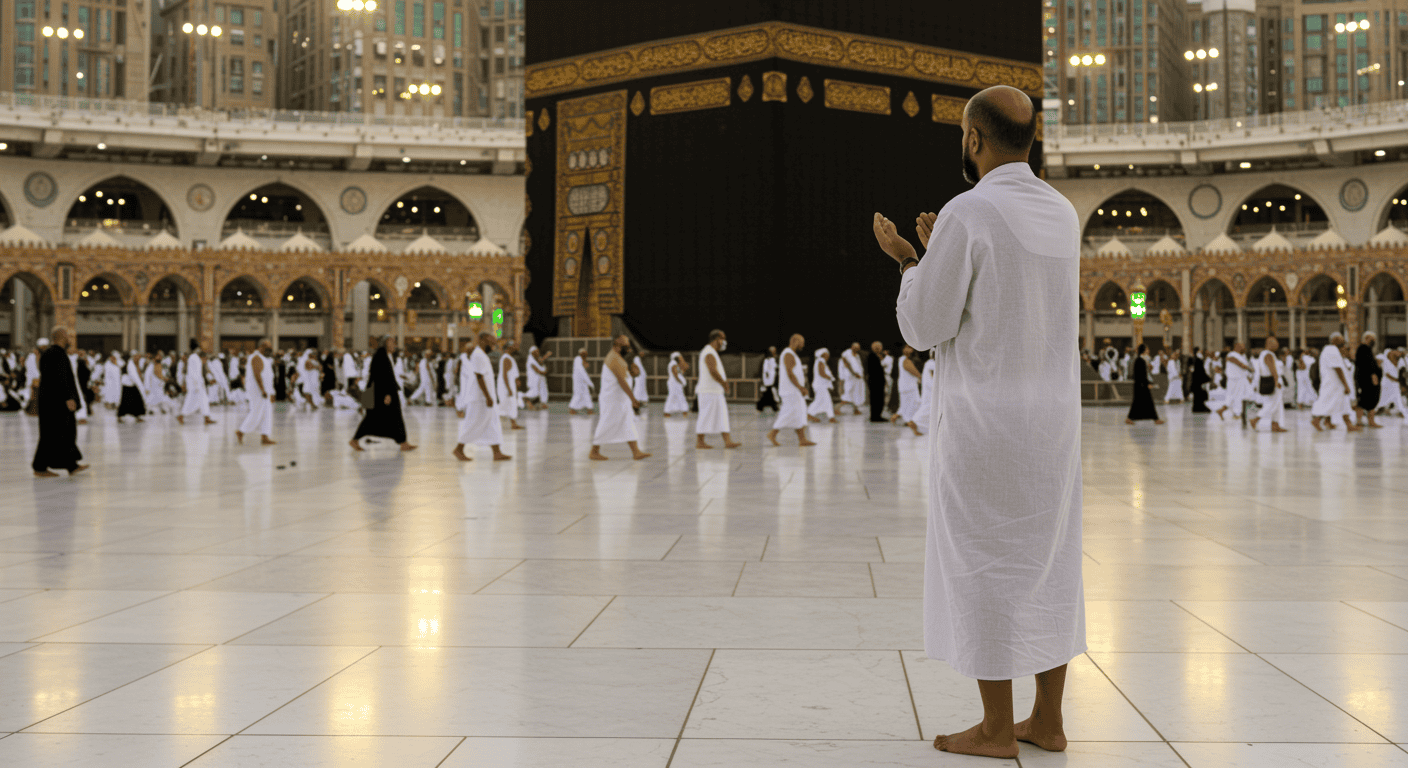
One of the most beautiful experiences in the Haram is making dua. However, even in supplication, adab is essential. One should raise hands humbly, speak softly, and pray with sincerity. Begging Allah for mercy in such a place requires a heart full of humility.
Pilgrims should avoid turning dua into loud displays or group chants unless guided by scholars. The best dua is the one whispered with tears and faith, seeking closeness to the Creator.
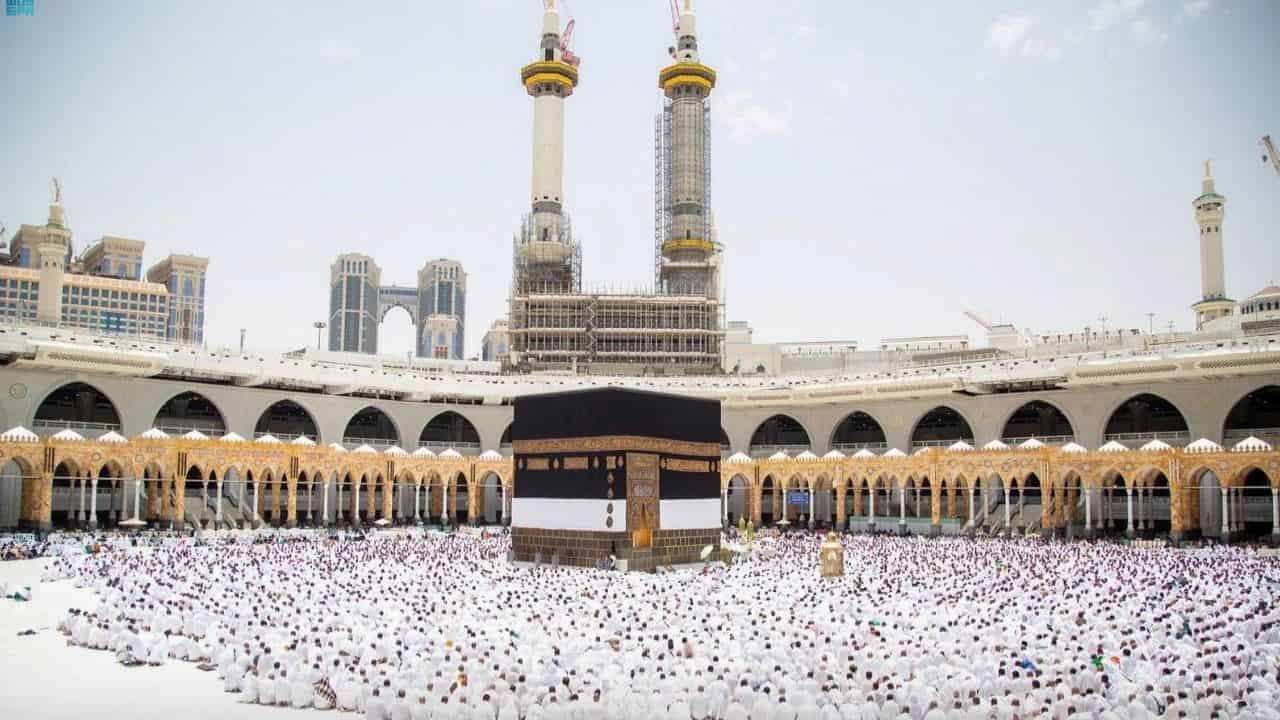
Because the Haram is always filled with worshippers, maintaining order is part of respect. Moving carefully, avoiding unnecessary gatherings, and giving others room to pray are all examples of adab. The Prophet (peace be upon him) valued ease and disliked causing hardship to others during worship.
Even taking photographs or videos should be done with mindfulness. While capturing memories is understandable, one must ensure it does not disturb others or distract from the main purpose of worship.
Practicing adab in the Haram transforms the pilgrimage from a physical journey into a spiritual awakening. It cultivates self-control, empathy, and mindfulness — qualities that extend beyond the pilgrimage. When one returns home, these manners become part of everyday life, reminding them of their time in Allah’s house.
Adab purifies the heart. It teaches humility and patience, two virtues that bring peace to the soul. The inner calmness gained through respectful behavior becomes a lifelong source of spiritual strength.
Awareness is at the heart of adab. Every act in the Haram should be done with consciousness — of Allah, of others, and of oneself. Being aware of one’s surroundings helps maintain peace and prevents unintentional harm or disrespect.
Reflection deepens the experience. After every prayer, one should pause and think about what it means to be in such a holy place. Gratitude and self-reflection open the heart to receive Allah’s mercy.
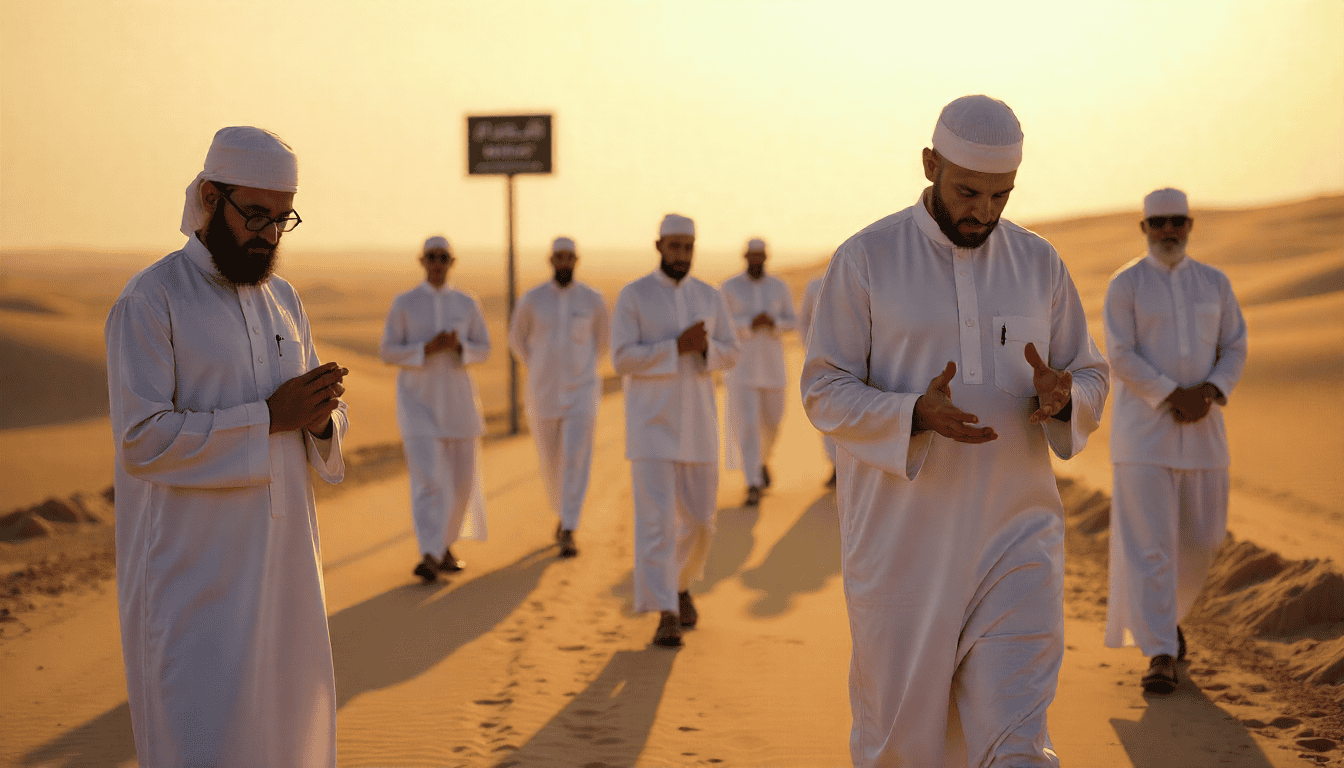
Adab begins long before entering the Haram. Learning about proper manners, preparing spiritually, and understanding the rights of others all help in shaping the right mindset. A pilgrim who prepares with knowledge and humility experiences a deeper connection during the pilgrimage.
Many scholars encourage pilgrims to study the etiquettes of Hajj and Umrah before traveling. Doing so ensures that their journey is filled with purpose and respect rather than confusion or haste.
In Islam, the acceptance of worship is closely linked with sincerity and adab. Even the most perfect rituals may lose meaning if done without respect or humility. On the other hand, simple acts performed with proper adab can earn great reward.
Maintaining adab in the Haram shows awareness of Allah’s presence. It expresses gratitude and obedience, two qualities that make one’s worship more likely to be accepted.
Just as entering the Haram requires adab, leaving it also demands respect. When one departs, they should do so with a heart full of gratitude and reflection. Looking back at the Kaaba or the Prophet’s Mosque one last time, with tears of love and hope, marks a spiritual closure. Many pilgrims who travel through Ramadan Umrah Deals experience this emotional farewell, cherishing every moment of their journey and carrying the peace of the Haram back into their daily lives.
Before leaving, pilgrims should make dua for acceptance, forgiveness, and the chance to return. They should also carry the manners they practiced into their daily lives, continuing the journey of faith beyond the physical space of the Haram.
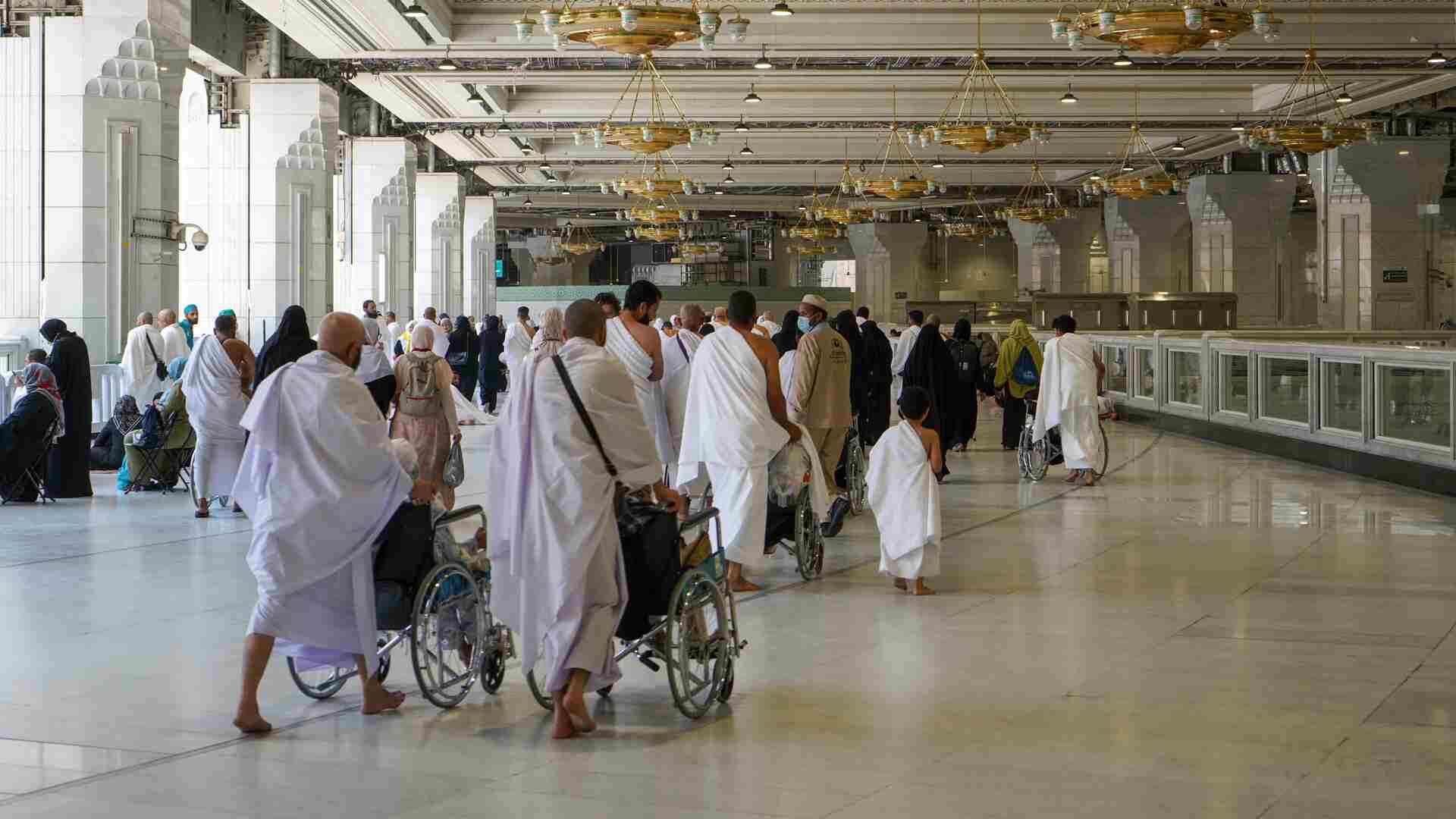
The real test of adab begins after returning home. The peace, patience, and humility learned in the Haram should continue to shape a person’s actions. Speaking kindly, being fair, and maintaining cleanliness are all forms of ongoing adab that reflect a heart touched by the sacred journey.
When a pilgrim lives with adab after returning, they serve as an example for others, showing that the true purpose of the pilgrimage is transformation — not just travel.
The adab of the Haram is more than a set of manners. It is a spiritual framework that connects the heart, body, and soul in worship. Respecting the rights of the people and the place reflects one’s love for Allah and understanding of the sacredness of His house.
In the Haram, every step counts, every word matters, and every gesture carries meaning. When pilgrims honor this space with good manners and humility, they not only perform rituals but also experience a deep spiritual renewal. The journey of adab continues long after one leaves the Haram, shaping a life filled with gratitude, peace, and faith.
Our curated content will ensure you’re well–prepared and inspired every step of the way.